

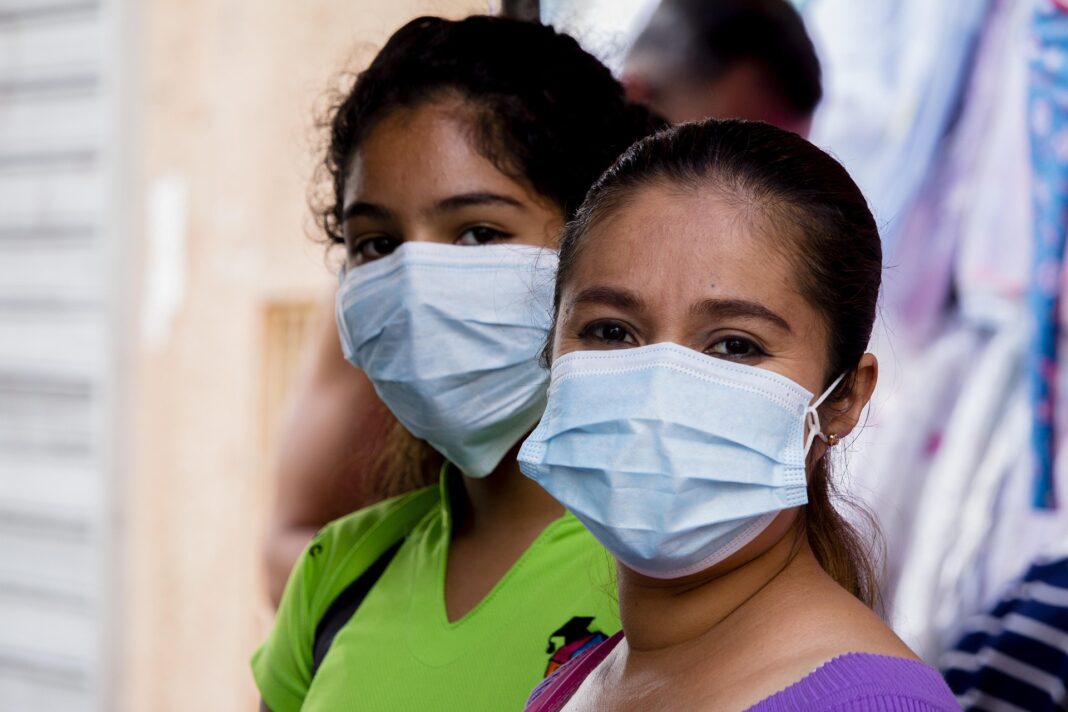
An Accredited Social Health Activist (ASHA) is a woman who helps people in her community access basic health services. She connects families with health workers, explains public health programs, supports maternal and child health, and encourages people to seek medical care when they need it. An ASHA is a community health worker, not a doctor or a replacement for a nurse.
India introduced the ASHA program in 2005 under the National Rural Health Mission. The role later became part of the wider National Health Mission (NHM). ASHAs are especially important in places where distance, cost, limited health knowledge, or social barriers make it difficult for families to use health services.
ASHA at a Quick Glance
| Detail | Information |
|---|---|
| Full form | Accredited Social Health Activist |
| Country | India |
| Program introduced | 2005 |
| Main program | National Health Mission |
| Main role | Connect communities with public health services |
| Typical work areas | Maternal health, child health, immunization, health education, and referrals |
| Usual place of work | Her own village or urban community |
| Employment arrangement | Community health volunteer with incentives and other payments under applicable government rules |
An ASHA usually knows the people she serves. That local connection matters. A family may hesitate to discuss a pregnancy, a missed vaccination, or a health concern with an unfamiliar official. A trusted community worker can explain the available services and help the family reach the right facility.
How the ASHA Program Began
India launched the National Rural Health Mission in April 2005 to improve public health services, particularly in rural areas. The ASHA program formed part of that effort. Its purpose was to create a link between communities and the public health system through women selected from the communities they serve.
The program addressed a practical problem. A health center may offer vaccinations, pregnancy care, or treatment, but a service has limited value if people do not know it exists or cannot reach it. ASHAs help close that gap through home visits, local health education, referrals, and contact with public health staff.
Daily Work in Homes and Communities
An ASHA’s work changes according to the needs of the families in her area. One day may involve a visit to a pregnant woman. Another may involve an immunization session, a discussion about sanitation, or help with a referral to a health facility.
Her common responsibilities include:
• Telling families about health services.
• Helping pregnant women go to their pregnancy checkups.
• Helping families understand why giving birth in a hospital and getting care after birth.
• Helping children get their vaccines on time.
• Teaching families about healthy food, cleanliness, and how to prepare food.
• Helping people recognize health concerns that need attention from trained medical staff.
• Helping people find the right health center or hospital.
• Supporting public health campaigns and approved community health activities.
An ASHA does not diagnose every illness or provide all forms of treatment. Her responsibilities have limits. Medical assessment, prescriptions, and treatment that require professional qualifications remain the responsibility of appropriately trained healthcare providers.
Maternal Health Is a Major Part of the Role
Pregnancy and childbirth are important areas of ASHA work. An ASHA may identify a pregnant woman in her community, encourage timely registration for antenatal care, explain the importance of checkups, and help her understand where to seek care.
She may also discuss birth preparedness with the family. This can include the location of a suitable health facility, available transport, and the need to seek medical attention when warning signs appear. After delivery, an ASHA may visit the mother and newborn according to the applicable program schedule and her training.
Child Health Goes Beyond Vaccination Reminders
ASHAs encourage families to use routine immunization services and help them understand when a child is due for a vaccine. They may also support health education about breastfeeding, nutrition, hygiene, and care for young children. A missed vaccine is not always a result of parental refusal.
A family may have moved, misunderstood the schedule, lacked transport, or missed a local immunization session. An ASHA can help identify the practical reason and connect the family with the next available service. Child health work also includes attention to illness. An ASHA may advise a caregiver to seek medical care when a child shows signs of serious illness, within the limits of her training and official guidance.
ASHAs and Public Health Campaigns
ASHAs help public health messages reach households that may not regularly visit a clinic. Their community contact can support vaccination drives, awareness campaigns, sanitation efforts, and other activities assigned through the health system.
This work requires more than repeating a message. People may have questions about the purpose of a service, its timing, or where to obtain it. An ASHA can explain the information she has received through official training and direct questions outside her expertise to qualified health staff.
Who Can Become an Accredited Social Health Activist?
Selection criteria have included factors such as local residence, age, education, and the ability to work with the community. However, applicants should not assume that one national description gives every current eligibility requirement. States may issue recruitment notices or apply approved variations to meet local needs.
A person interested in the role should check the latest notice from the relevant State Health Mission, district health office, or other authorized local health authority. That notice is the appropriate source for current vacancies, required documents, eligibility, and selection dates.
Local Trust Matters as Much as Formal Requirements
An ASHA works with people who may have different languages, family circumstances, education levels, and views about healthcare. The ability to listen, explain information clearly, and respect privacy is essential to her daily work. Consider a woman who has missed a pregnancy checkup.
A useful first question is not simply whether she knows the appointment date. She may need transport, help with childcare, or in formation about the nearest facility. An ASHA who understands the household’s circumstances can offer more practical support and refer the family to the relevant service. Trust also brings responsibility. Families may share sensitive information about pregnancy, illness, finances, or personal circumstances.
ASHA Training and Support
Selection is the beginning of the role, not proof that a new ASHA already has every skill she needs. Government training equips ASHAs for assigned community health activities. Training materials and schedules may differ according to program updates and the state’s implementation arrangements.
Training may cover maternal and child health, community communication, public health programs, home visits, referrals, and the specific tasks that an ASHA is authorized to perform. Refresher training and support from other health workers help her respond to changes in programs and procedures.
ASHA, ANM and Anganwadi Worker: Different Roles
These three roles may serve the same families, but they are not interchangeable.
| Role | Main focus |
|---|---|
| ASHA | Community outreach, health education, referrals, and help with access to health services |
| ANM | Nursing and midwifery services within the worker’s professional qualifications and assigned duties |
| Anganwadi Worker | Services under the Anganwadi system, including nutrition and early childhood-related activities |
Their work often overlaps in maternal and child health. An ASHA may encourage a family to attend a service, an ANM may provide an authorized clinical service, and an Anganwadi Worker may support nutrition-related activities. The exact division of tasks follows the relevant program rules.
How ASHAs Receive Payment
ASHA payment is not the same as a standard monthly salary for every worker across India. The program has used performance-based incentives for approved activities, alongside other payments or support provided under applicable national and state arrangements. Payment amounts and eligible activities can change.
This distinction matters to anyone who wants to apply. A recruitment notice may describe an incentive, a fixed component, an additional state payment, or reimbursement for a particular activity. These amounts should not be added together and presented as a guaranteed salary unless the current official rules clearly say so.
Challenges Behind the Community Role

ASHAs may travel between homes, keep track of follow-up visits, explain health programs, and coordinate with health facilities. Their work can become difficult when a community is spread across a large area or transport is limited. The payment structure can also create uncertainty when earnings depend on approved activities and administrative processes.
Training, supplies, timely payments, clear referral routes, and support from health facilities all affect how well an ASHA can carry out her responsibilities. Community trust does not remove these practical problems. A family may agree to seek care but still face a long journey or limited services at the nearest facility.
The Difference Between Health Advice and Medical Care
An ASHA may explain why a person should attend a checkup, complete an immunization schedule, or seek help for a concerning symptom. She should provide information consistent with her training and official guidance. She is not a substitute for a doctor, nurse, or emergency service.
A family should seek qualified medical care for serious symptoms rather than rely on a community worker to make a diagnosis. This boundary protects both the patient and the ASHA. The role works best when the community understands it clearly: an ASHA helps people reach healthcare and follow public health advice, but clinical decisions belong to the appropriate healthcare professionals.
How to Apply for an ASHA Position
ASHA recruitment is organized through the relevant government health system, so the application process may differ by state and district. Interested applicants should look for an official local recruitment notice rather than rely on an old vacancy post or an unofficial social media message. A current notice should explain who can apply, the area the selected worker will serve, the required documents, the selection procedure, and where to submit an application.
It may also explain training and payment arrangements. Applicants should confirm that the notice comes from an authorized health office. They should not assume that an advertised vacancy applies to every district or that eligibility rules from another state will apply to them.

 is a woman who helps people in her community access basic health services. She connects families)