



Rooibos tea looks much like regular black tea, but it comes from a different plant. Rooibos has no natural caffeine. It has a mild smooth taste and contain plant compounds that researchers have studied for their possible effects on human health.
Rooibos tea contains antioxidants such as aspalathin and nothofagin. These compounds may influence oxidative stress, cholesterol, blood sugar, and inflammation. Small human studies have found changes in certain health markers, but the current evidence is too limited to show that rooibos can prevent or treat disease.
Rooibos Tea From South Africa
Rooibos comes from Aspalathus linearis, a shrub native to South Africa. It grows naturally in the Cederberg region of the Western Cape, an area known for its dry summers, winter rainfall, and distinctive mountain landscape. Local communities have used rooibos as a herbal drink for generations.
Producers harvest the thin leaves and stems of the rooibos shrub, cut them into smaller pieces, and prepare them for processing. Traditional red rooibos undergoes oxidation, which changes its color, aroma, and flavor. Green rooibos receives a different treatment. Producers limit oxidation to preserve its lighter color and more of certain natural plant compounds.
Rooibos Tea Is Caffeine-Free
Caffeine is a common reason people change their tea habits. A strong cup of black tea or coffee can help someone feel more alert, but it may also cause unwanted effects. People who are sensitive to caffeine may experience nervousness, a rapid heartbeat, or difficulty sleeping. Even those who tolerate it well can notice changes in sleep after consuming it late in the day.
Rooibos provides a familiar tea-like drink without adding caffeine to the diet. It can replace an afternoon coffee or an evening cup of black tea without introducing another source of this stimulant. Its mild flavor also makes it suitable for people who dislike the bitterness of certain herbal drinks.
Red or Green Rooibos Difference
Traditional red rooibos undergoes oxidation after harvest. This process changes the plant material from green to reddish-brown and produces the familiar color of brewed rooibos. Green rooibos undergoes minimal oxidation. It retains more of certain plant compounds that decline during the production of traditional red rooibos.
The differences between the two varieties are easier to understand when compared directly.
| Feature | Red rooibos | Green rooibos |
|---|---|---|
| Processing | Oxidized | Minimally oxidized |
| Tea color | Reddish-brown | Light yellow to golden |
| Taste | Mild, earthy, slightly sweet | Lighter, grassy |
| Aspalathin content | Generally lower | Generally higher |
| Caffeine | Naturally absent | Naturally absent |
| Human health evidence | Limited | Limited |
Green rooibos may contain higher concentrations of certain
Rooibos Tea and Heart Health
Rooibos has attracted attention from researchers who study cholesterol, blood vessel function, and cardiovascular disease. One reason is its combination of polyphenols. Laboratory research suggests that certain rooibos compounds may affect processes linked to oxidative stress and cardiovascular health. Human research has also produced some interesting findings, although the number of participants in most studies has been small.
Benefits of Unsweetened Rooibos Tea
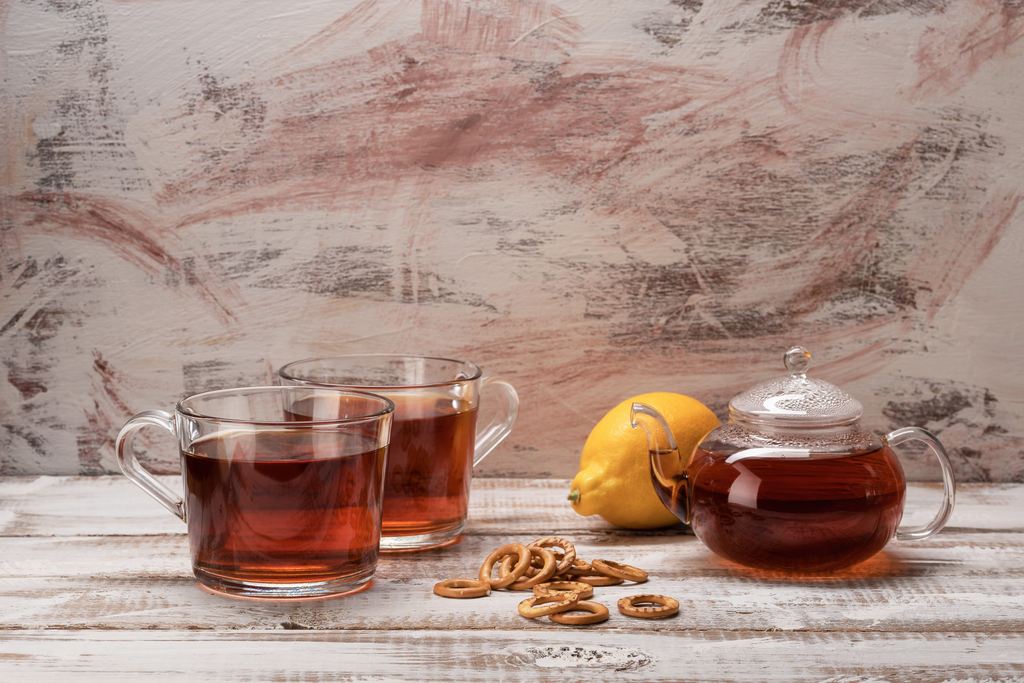
Plain rooibos contains very little energy and no added sugar. A cup prepared with water has a different nutritional profile from one made with several teaspoons of sugar, flavored syrup, or sweetened condensed milk. Someone who regularly drinks sweetened beverages may reduce daily sugar intake by replacing them with plain rooibos.
This change does not depend on rooibos having a special glucose-lowering effect. It comes from removing added sugar from the drink. People with diabetes can discuss rooibos as part of their usual diet with their healthcare professional. They should continue prescribed medication, blood glucose checks, and other aspects of their treatment plan.
Rooibos Tea and Inflammation
Inflammation helps the body respond to injury and infection. It is a normal part of immune function, but persistent or excessive inflammation can contribute to health problems. Laboratory experiments suggest that certain compounds in rooibos may affect cellular signals involved in inflammation.
Other studies have explored their possible effects on oxidative stress, which can interact with inflammatory processes. A concentrated extract used in a laboratory may contain much higher amounts of active compounds than a cup of brewed tea. Digestion and metabolism also affect how much of each substance reaches the body’s tissues.
A Gentle Flavor Traditional Tea
Rooibos has a mild, earthy taste with naturally sweet notes. It generally contains fewer tannins than black tea. Tannins are plant compounds that contribute to the dry sensation some people notice after drinking strong tea. They can also interact with certain nutrients during digestion.
Rooibos has a different polyphenol profile from black and green tea, which helps explain its distinctive flavor. Its relatively low tannin content makes it appealing to people who find strongly brewed black tea too bitter or astringent. Rooibos also provides fluid, so it can contribute to normal daily hydration.
Rooibos Tea and Bone Health
Rooibos contains small amounts of minerals such as calcium, magnesium, and potassium. These nutrients play important roles in normal body function. Calcium and magnesium contribute to bone health, while potassium supports normal nerve and muscle function.
• Adequate calcium intake through food or supplements when needed.
• Sufficient vitamin D to support calcium absorption.
• Regular physical activity, including suitable weight-bearing exercise.
• Appropriate medical care for people at risk of osteoporosis.
Human clinical research has not established that regular rooibos consumption increases bone mineral density, prevents osteoporosis, or reduces fracture risk. Adequate calcium and vitamin D intake, suitable physical activity, and medical care remain important for maintaining bone health.
Rooibos and Green Tea and Chamomile
Traditional tea and herbal infusions can look similar in a cup, but they do not always contain the same compounds. Green and black tea come from Camellia sinensis. Both naturally contain caffeine, although the amount varies with the product and preparation method.
Each beverage contains a different mixture of plant compounds.
| Beverage | Caffeine content | Main characteristics |
|---|---|---|
| Rooibos tea | Naturally caffeine-free | Contains aspalathin, nothofagin, and other polyphenols |
| Green tea | Contains caffeine | Rich in catechins, including EGCG |
| Black tea | Contains caffeine | Contains theaflavins and other tea polyphenols |
| Chamomile tea | Naturally caffeine-free | Contains flavonoids, including apigenin |
Rooibos may suit people who prefer a mild tea-like flavor without caffeine. Chamomile has a more floral taste, while green and black teas have their own distinctive flavor profiles. Herbal teas differ in their ingredients and safety considerations. Our guide to soursop leaf tea explains another herbal drink and the precautions associated with it.
Green and black tea also have a larger body of human research on several health outcomes.
Easy Ways to Enjoy Rooibos Tea
- • Replace an evening cup of black tea with rooibos if caffeine affects your sleep.
- • Serve chilled rooibos instead of sweetened bottled tea.
- • Add cinnamon or ginger to change the flavor without adding sugar.
- • Prepare a caffeine-free rooibos latte with milk or a suitable milk alternative.
- • Choose plain rooibos instead of sweetened coffee drinks when you want a lower-calorie beverage.
These changes make use of the tea’s natural properties without depending on unproven medical claims.
Rooibos Tea in a Healthy Diet
Its caffeine-free nature makes it useful in the evening. Its mild flavor allows people to enjoy it without much added sugar, and its plant compounds provide an interesting subject for scientific research. Someone who replaces a sugary beverage with plain rooibos may reduce daily sugar and calorie intake. A person who avoids caffeine late in the day may prefer it to black tea or coffee.
Neither choice depends on claims that rooibos cures disease, burns fat, or prevents aging. The tea’s place in a healthy diet is straightforward: it provides a pleasant drink with little energy when prepared plain, and it offers an alternative to beverages that contain caffeine or added sugar.
Rooibos Tea and Weight Loss
Rooibos sometimes appears in discussions about metabolism, abdominal fat, and weight loss. Its antioxidant compounds have attracted scientific interest because of their possible effects on glucose and fat metabolism. However, laboratory findings do not establish that drinking rooibos causes weight loss in humans.
There is no convincing clinical evidence that rooibos tea burns abdominal fat, accelerates metabolism enough to produce meaningful weight loss, or prevents weight gain. A person who replaces a sweetened coffee drink with plain rooibos may consume fewer calories. The size of that reduction depends on the original drink and the amount consumed.