


In Troy, over 60K people suffer from chronic illnesses that have become due to a lack of attention to primary care. Out of these, 20-30% of people travel outside of Troy to get immediate care. Another study shows that 38% of adults delay primary care due to cost issues and visit only when there is a health emergency.
This was more common before the concept of primary care was actually considered important, in Troy and other small communities in Michigan. However, some challenges for the primary care system still exist to date because of a) lack of awareness regarding the importance of timely care, b) crowded patient queues and rush in primary care facilities, and c) A higher ratio of patients to primary care doctors in Troy.
Despite all this, people of Troy need and understand the need for a primary care physician or a family doctor who can understand their health constraints and guide them through the right way of living. In this blog, we will uncover both the strengths and weaknesses of Primary Care services in Troy, Michigan.
Strengths of Primary Care Services in Troy
Troy is one of the well-equipped suburban communities with regard to healthcare services. There are several experienced and professional doctors, medical facilities, advanced surgical and non-surgical, as well as primary care services here.
The city also focuses on the agenda of preventive health; hence, the concept of primary care is somewhat more profound here. The already established facilities like Dobra play a vital role in improving the health and wellness of the existing community to a great extent. While there is always room for improvement, several strengths continue to make primary care an essential part of the local healthcare landscape.
1. Strong Network of Healthcare Providers
One of Troy’s greatest healthcare strengths is the availability of multiple primary care providers across the city. Residents can choose from family medicine physicians, internal medicine specialists, pediatricians, and nurse practitioners depending on their needs. This variety allows patients to find providers that align with their age, medical history, and personal preferences.
The presence of multiple clinics also helps distribute patient demand, making healthcare more accessible compared to communities with limited provider options.
2. Focus on Preventive Care
Primary care services in Troy place a significant emphasis on preventive healthcare. Annual physical examinations, vaccinations, routine screenings, and wellness consultations are commonly offered through local practices.
By identifying risk factors early, physicians can intervene before conditions become severe. Preventive care not only improves patient outcomes but also reduces healthcare costs by avoiding unnecessary hospitalizations and emergency room visits.
3. Effective Chronic Disease Management
Primary care physicians serve as the foundation for managing chronic conditions such as diabetes, hypertension, asthma, heart disease, and obesity. Through regular monitoring, medication management, and lifestyle counseling, they help patients maintain stable health over the long term.
This continuous oversight reduces complications and improves quality of life for individuals living with chronic illnesses.
4. Growing Adoption of Technology
Many primary care facilities in Troy have adopted electronic medical records, patient portals, telehealth services, and online appointment scheduling. These advancements improve communication between patients and providers while making healthcare more convenient.
Patients can access test results, request prescription refills, and communicate with healthcare teams without making unnecessary office visits.
5. Access to Specialized Medical Resources
Another advantage of Troy’s healthcare environment is its proximity to specialty care services. Primary care physicians can efficiently coordinate referrals to cardiologists, endocrinologists, orthopedic specialists, neurologists, and other experts when needed.
This integrated healthcare network allows patients to receive comprehensive care without traveling long distances for specialized treatment.
Challenges Facing Primary Care Services in Troy
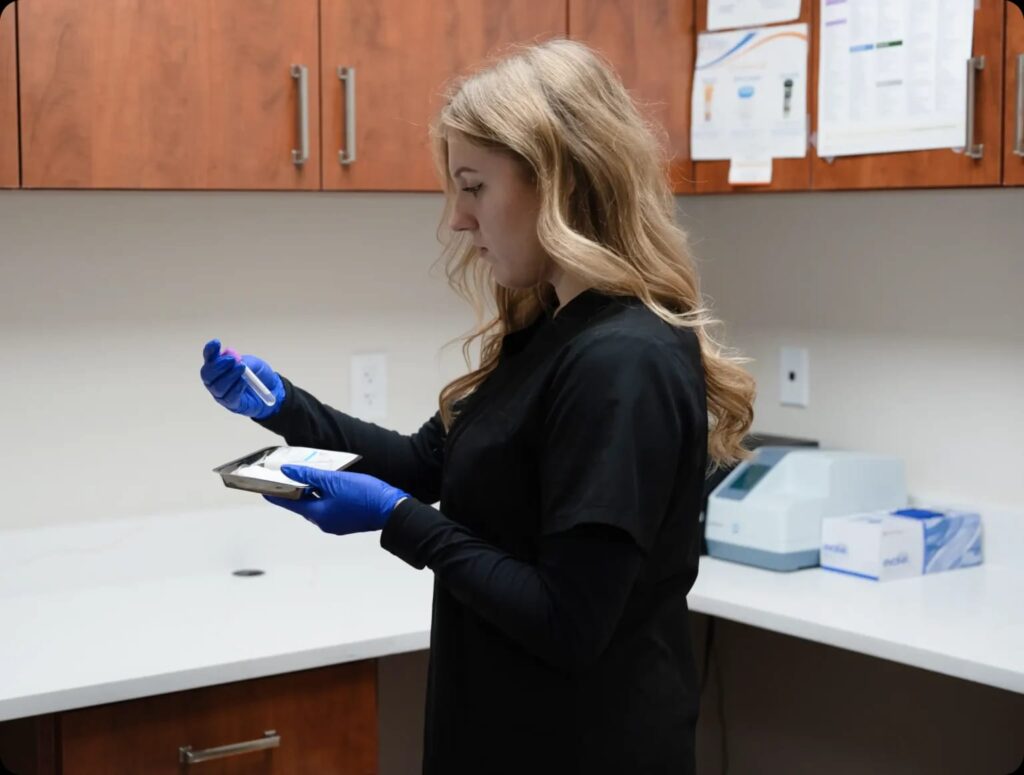
Despite these strengths, primary care services in Troy face several challenges that mirror broader healthcare issues across Michigan and the United States.
1. Growing Demand and Physician Shortages
As the population continues to grow and age, demand for primary care services increases. Many clinics experience high patient volumes, leading to longer appointment wait times and scheduling challenges.
Healthcare workforce shortages, particularly among primary care physicians, can place additional pressure on existing providers and reduce appointment availability.
2. Increasing Chronic Disease Burden
Conditions such as diabetes, hypertension, obesity, and cardiovascular disease continue to rise throughout Michigan. Managing these chronic illnesses requires frequent follow-up visits, monitoring, and patient education.
As more residents develop long-term health conditions, primary care providers face increasing workloads while trying to maintain personalized care.
3. Healthcare Affordability Concerns
Even insured patients may struggle with deductibles, copayments, prescription costs, and laboratory expenses. Financial concerns often cause patients to postpone preventive care or routine follow-up visits.
Delayed treatment can allow manageable conditions to worsen, ultimately increasing healthcare costs for both patients and providers.
4. Limited Same-Day Appointment Availability
Although many clinics strive to offer prompt care, same-day appointments can be difficult to obtain during busy periods. Patients experiencing acute illnesses may face delays or turn to urgent care centers and emergency rooms instead.
This can lead to fragmented care and reduced continuity between patients and their primary care physicians.
5. Administrative Burdens and Provider Burnout
Primary care providers today face significant administrative responsibilities, including electronic documentation, insurance requirements, compliance regulations, and reporting obligations.
These demands contribute to physician burnout, reducing the amount of time available for direct patient interaction and potentially affecting healthcare quality.
How to Improve Primary Care in Troy
While challenges exist, there are several practical ways to strengthen primary care services and improve healthcare outcomes throughout the community.
1. Expand Access Through Extended Hours
Offering evening, weekend, and expanded clinic hours can improve accessibility for working professionals, students, and families. Flexible scheduling reduces delays in care and helps patients address concerns before they become serious.
2. Increase Investment in Preventive Health Programs
Community education programs focused on nutrition, exercise, smoking cessation, and chronic disease prevention can reduce long-term healthcare burdens. Prevention remains one of the most effective strategies for improving public health.
3. Utilize Telehealth More Effectively
Telehealth can help reduce unnecessary office visits while improving access for patients with transportation challenges or busy schedules. Virtual consultations are particularly useful for follow-up appointments and chronic disease monitoring.
4. Strengthen Care Coordination
Improved communication between primary care providers, specialists, hospitals, and diagnostic facilities can reduce duplication of services and improve patient outcomes. Integrated healthcare systems help create smoother patient experiences.
5. Support Healthcare Workforce Development
Encouraging medical students and healthcare professionals to pursue careers in primary care can help address physician shortages. Incentive programs, mentorship opportunities, and professional support initiatives may attract more providers to the field.
6. Improve Patient Education and Engagement
Patients who understand their conditions are more likely to follow treatment plans and participate actively in their healthcare. Educational resources, support groups, and health coaching programs can empower individuals to make informed decisions.
Conclusion
Primary care services remain the cornerstone of healthcare in Troy, Michigan. Their strengths, including preventive care, chronic disease management, technological advancements, and access to specialized resources, provide tremendous value to the community. At the same time, growing patient demand, physician shortages, rising chronic disease rates, and affordability concerns continue to present significant challenges.
By investing in accessibility, preventive care, workforce development, and coordinated healthcare delivery, Troy can continue building a stronger and more responsive primary care system, with access to a trusted force of PCPs in Sterling Heights further supporting the region’s overall healthcare network.
Troy residents who want to compare care options can also use HealthWavy to find doctors near you and search providers by specialty, city, or state.