


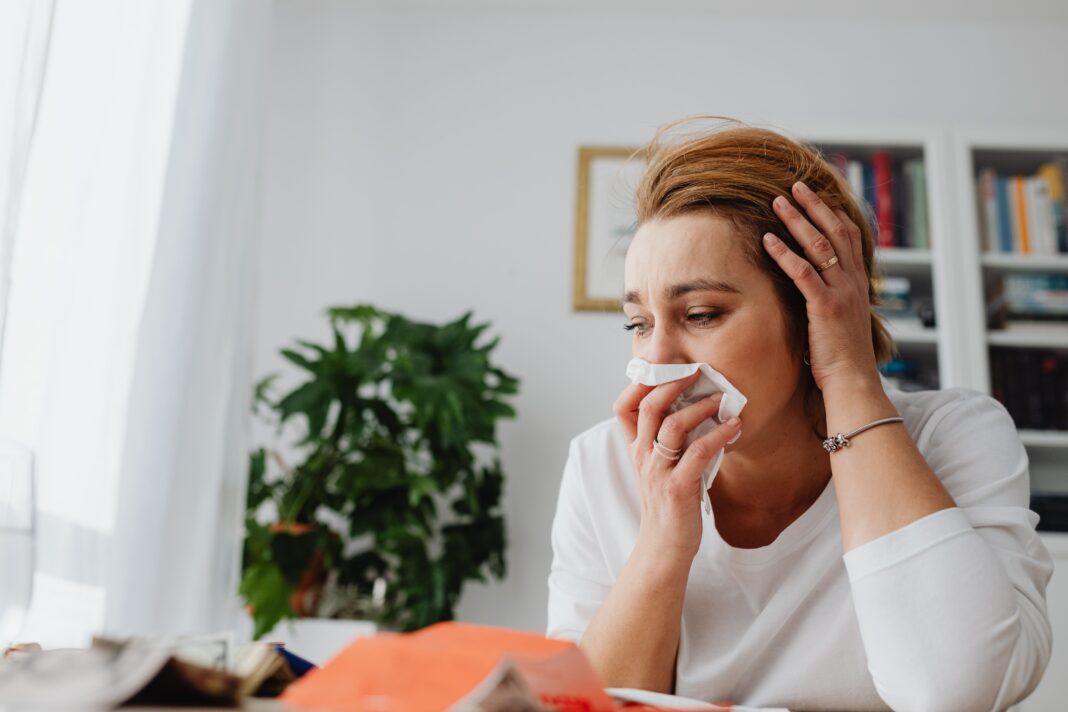
Ammonia gives off a sharp chemical odor that can sting the nose and throat. It often smells like strong glass cleaner, old urine, a dirty litter box, sweat, or rotten fish. A small amount from a household product may cause only a brief smell. A strong odor in an unknown place needs quick attention. Smell cannot tell you how much ammonia is in the air. It also cannot prove that a room is safe. Move away if the odor feels harsh or causes eye pain, coughing, dizziness, or chest discomfort. Never place your face near a bottle, stain, drain, or leak to identify it.
Ammonia smells in real life
Ammonia has a pungent and suffocating scent. It does not smell sweet, smoky, or earthy. The odor feels harsh and may cause a quick burning sensation inside the nose. NIOSH describes ammonia as a colorless gas with a strong, irritating smell. Old urine can smell similar because waste remains on a surface and changes over time. This scent often appears near toilets, litter boxes, carpets, mattresses, pet beds, or damp laundry. Concentrated urine can also have a much stronger odor than fresh, pale urine.
Bleach has a different scent. It smells more like chlorine or a public pool. Sewer gas may smell like rotten eggs, and an electrical fault can smell like hot plastic. These differences can help, but do not depend on your nose alone. The location and any physical symptoms offer better clues.
Warning Signs You Should Not Ignore
Risk depends on the strength of the chemical, the amount released, room size, fresh airflow, and exposure time. Ammonia reacts with moisture in the eyes, throat, lungs, and skin. A high dose can cause severe irritation, burns, lung damage, or death.
Household ammonia is usually weaker than the concentrated form used on farms or in factories. It can still irritate the eyes and airways. A person with asthma or another lung condition may react faster and may have worse symptoms.
Leave the area if anyone has:
- Burning or watery eyes
- Pain inside the nose or throat
- A strong cough or choking feeling
- Chest tightness or wheezing
- Shortness of breath
- Blurred vision
- Skin redness, pain, or blisters
- Nausea, dizziness, weakness, or confusion
Do not wait to see if every symptom appears. Eye pain, a strong cough, chest discomfort, or trouble with breath is enough reason to seek help. Certain lung effects can also appear or get worse after the person leaves the source.
Nose irritation after ammonia exposure is different from ordinary nasal dryness. A product such as a saline nasal moisturizing spray is made for routine nasal moisture and should not replace fresh air, Poison Control advice, or medical care after chemical fumes.
Your nose cannot measure exposure
Human smell works as an early alarm, but it cannot measure gas levels. A blocked nose, illness, age, tobacco use, or medicine can affect odor detection. Two people in one room may notice the scent at different times. Long contact creates another concern. A person may lose sensitivity to the odor after exposure continues.
The room may still contain ammonia even when the scent seems weaker. Work sites use air monitors, trained staff, safety plans, and special equipment. Homes do not have these controls. Do not use odor strength as a home test. Leave a room when the source is unknown or the scent causes pain or discomfort.
Move to Fresh Air and Act Quickly
Fresh air comes first. Take children, pets, older adults, and anyone with asthma out of the affected space. Do not remain inside to close a bottle, inspect an appliance, or trace the smell across a floor.
Follow these steps:
- Leave the room or building.
- Move to a place with clean air.
- Do not touch a spill or damaged container.
- Open a nearby door or window only if you can do it fast and without exposure.
- Do not return with a cloth mask or shirt over your face.
- Contact Poison Control or emergency services if symptoms appear.
A normal mask does not block dangerous ammonia gas. Emergency teams use special respiratory gear when the gas level is unknown. U.S. residents can call Poison Control at 1-800-222-1222. Call 911 for severe breathbladder infection problems, chest pain, throat swelling, confusion, blue lips, or collapse. An outdoor release needs a different response.
Ammonia from a farm tank, truck, cold-storage site, or factory may move toward nearby homes. Public officials may tell residents to stay indoors, shut the windows, and turn off systems that pull outside air inside. Follow local emergency alerts.
Indoor and Outdoor Ammonia Exposure Need Different Actions
| Situation | Safest first action | What to avoid |
|---|---|---|
| Strong ammonia smell starts inside a room or building | Leave the affected space and move into fresh air. Take children, pets, and vulnerable people with you. | Do not stay inside to trace the smell, touch a spill, or rely on a normal face mask. |
| Ammonia release comes from a farm, truck, factory, or nearby industrial site | Follow local emergency alerts. Officials may advise you to stay indoors, close windows, and turn off systems that pull in outside air. | Do not open every window or go outside to inspect the source. |
| Source is unknown and symptoms appear | Move away from the odor and contact Poison Control or emergency services. | Do not return until trained responders say the area is safe. |
Bleach and ammonia create toxic gas
Never mix bleach with ammonia. This combination can form chloramine gas. The fumes may cause eye pain, throat irritation, coughing, headache, dizziness, or trouble with breath. An accident can happen during a normal cleaning task. A person may add bleach to a toilet that already holds another product. Bleach can also react with an ammonia-based glass cleaner or with urine residue.
Do not add vinegar, baking soda, or another cleaner to fix the mixture. Extra products may create another reaction. Leave the space and move into fresh air. Contact Poison Control for advice, and call 911 if anyone has severe symptoms.
Hidden Sources of Ammonia Odor Around the House
Cleaning products are a common source. Certain glass, floor, oven, and bathroom products contain ammonia. The odor can become strong in a small room or after too much product is used. Keep each cleaner in its original bottle and read its label before use. Pet urine is another likely cause. Liquid may soak into carpet pads, wood, grout, furniture, mattresses, or fabric. A surface can look clean even when residue remains below it. Use one product made for pet waste and the affected material.
Bathrooms may smell sharp due to urine around the toilet, damp cloths, old grout, or a weak toilet seal. Drains can also release unpleasant gas. A smell that returns after normal care may require help from a plumber. Trash, rotten food, fertilizer, and animal waste can also create a similar odor. Commercial cold rooms and food plants may use concentrated ammonia as a refrigerant. Leave at once if a strong chemical scent appears near such equipment. Do not enter a machine room to inspect it.
Can a household refrigerator leak ammonia?
Modern home refrigerators usually use other types of refrigerant. Large industrial systems are more likely to use ammonia. A bad smell near a home fridge often comes from spoiled food, a dirty drain tray, old spills, hot plastic, or an electrical fault. Burnt plastic, smoke, sparks, or unusual heat can signal an electrical problem. Cut the power only if the plug or switch is easy and safe to reach.
Contact an appliance expert after you leave the area. A harsh chemical scent with coughing or sore eyes still needs caution. Do not pull the fridge away from the wall or remove rear panels. Fresh air and distance remain the safest first steps.
Ammonia odor in urine
Urine contains water and waste. It may smell sharp when it becomes concentrated due to low fluid intake. Dark yellow urine and thirst may support dehydration as the cause. Food, vitamins, medicine, hot weather, and hard exercise may also change urine odor for a short period. A brief change without pain or fever may not point to illness. Anyone with a fluid limit from a doctor should follow that medical plan.
A bladder infection can cause strong-smelling urine, but scent alone cannot confirm an infection. Other signs may include pain or a burning feeling during urination, frequent urges, lower belly pain, cloudy urine, or blood. A doctor may use a urine test to make a diagnosis. Fever, chills, nausea, vomiting, or pain in the side, back, or groin may point to a kidney infection. Prompt care matters because an untreated infection can lead to serious health problems.
Exercise, Dehydration, and Ammonia Like Sweat
Body odor often forms when skin bacteria act on sweat. Heat, stress, exercise, damp clothes, and poor hygiene can make the scent stronger. A shower, clean clothes, fresh workout gear, and enough water may help. A sharp smell after one hard workout does not prove that the liver or kidneys have a problem. Check basic causes first. These include low fluid intake, old clothes, a recent diet change, and sweat left on the skin.
Medical advice makes sense when the smell does not improve or comes with yellow skin, swelling, vomiting, confusion, severe weakness, or a major change in urine. Other symptoms provide more useful information than body odor alone.
Possible Reasons Behind Ammonia Like Breath
Bad breath often comes from the mouth. Gum disease, dry mouth, cavities, food, tobacco, and poor dental care are common causes. Brush the teeth, clean the tongue, floss, drink water, and arrange a dental check if the smell stays.
Kidney disease can sometimes cause breath that seems urine-like, fishy, or close to ammonia. That odor cannot confirm a kidney condition on its own. Medical care becomes more important if it appears with swollen legs, low urine output, vomiting, confusion, or severe tiredness.
Fruity breath is different from ammonia-like breath. A person with diabetes who has fruity breath, stomach pain, vomiting, deep breaths, or confusion may face a medical emergency. Urgent care is needed in that situation.
Smell Changes That May Need Medical Attention
Check the room without moving close to a possible source. Look for an open cleaner, pet stain, drain issue, trash, damp laundry, or rotten food. Ask another person if they notice the scent from a safe place. A person may also sense an odor that is not present. Doctors call this phantosmia. Parosmia causes a real scent to seem strange or unpleasant. Sinus disease, a recent virus, head injury, tobacco use, dental trouble, medicine, and certain nerve conditions may affect smell.
Talk to a doctor when the problem stays or returns often. Sudden smell changes with weakness, speech trouble, confusion, a severe headache, fainting, or a seizure need urgent care.
Urine odor changes can affect both men and women, but pregnancy, medicines, and personal health history may change when medical advice is needed. Readers can also review our women’s health news and medical updates for broader guidance on current screening, pregnancy care, menopause, and other health topics.
Final safety advice
Ammonia has a sharp chemical odor that may resemble old urine, strong cleaner, sweat, a dirty litter box, or rotten fish. A mild smell from a known source may fade once fresh air enters the room. A strong or unexplained odor deserves immediate care.
Pay more attention to symptoms than to the exact scent. Burning eyes, coughing, wheezing, chest pain, dizziness, or trouble to breathe mean you should move into fresh air and seek help. Leave at once if bleach and ammonia may have mixed.
A similar odor from urine, sweat, or breath does not confirm an infection or kidney problem. Look for pain, fever, swelling, low urine output, or other unusual changes. When the source is unclear, choose safety over curiosity. Stepping away from a harmless smell costs little, but staying near a toxic gas can cause lasting harm.
About This Ammonia Safety Guide
The HealthWavy editorial team researched and checked this article on ammonia odor, exposure risks, household sources, and related changes in urine, sweat, and breath. Key details were compared with official, medical, academic, or primary sources, with relevant links added throughout the article.
Report an unclear statement, outdated detail, broken source, or possible error in the comments or at info@healthwavy.com. Valid concerns will be reviewed and updated when needed. Readers who need professional care can also use the HealthWavy Doctor Directory.
Simple Answers About Ammonia Odor
Ammonia and bleach both have strong chemical odors, but they do not smell the same. Ammonia has a sharp, pungent scent that may resemble old urine or rotten fish. Bleach has a chlorine-like odor that often reminds people of a swimming pool. Never mix the two products because they can release toxic chloramine gas.
A true ammonia odor is sharp and suffocating rather than sour, metallic, or sweet. Vinegar has an acidic scent, and rotten eggs often point to sulfur-based gases. CDC guidance compares ammonia with rotten fish. An unknown odor should not be identified through a close smell test.
Ammonia-like urine often has a sharp scent similar to old urine or strong cleaner. This odor may become easier to notice when urine is dark and concentrated. Urine left in a toilet, litter box, carpet, or fabric can also develop a stronger scent over time.
Low fluid intake is a common cause because concentrated urine can smell like ammonia. Food, vitamins, and medicine may also change the odor. Pain during urination, frequent urges, cloudy urine, blood, fever, or back pain may point to an infection and need medical advice.
Ammonia is colorless, but it is not odorless. It has a strong, pungent, and suffocating scent. A fading smell does not prove that the air is safe because long exposure can reduce a person’s ability to detect it.