


Health coverage feels simple until you actually need it. You might have a doctor visit to book, a prescription to refill, or a question about what your plan will pay for. Then you see a plan name like Aetna Better Health and wonder what it means and how it works.
Aetna Better Health is Aetna’s Medicaid plan in select U.S. states. It works with state Medicaid programs, so benefits and rules can look different depending on where you live. Aetna Better Health is also part of Aetna and the CVS Health family.
This guide explains what Aetna Better Health does, who can use it, and what members usually get help with. You will also learn how to confirm your state plan details the right way, since coverage can change across states and counties. Start with the official state selector and choose your state to see the correct plan page.
Aetna Better Health, explained without the jargon
Aetna Better Health is a Medicaid plan that works through state programs in the U.S and it is not job insurance. It is not a plan you buy on your own, It is a managed care option some states offer after they approve you for Medicaid.
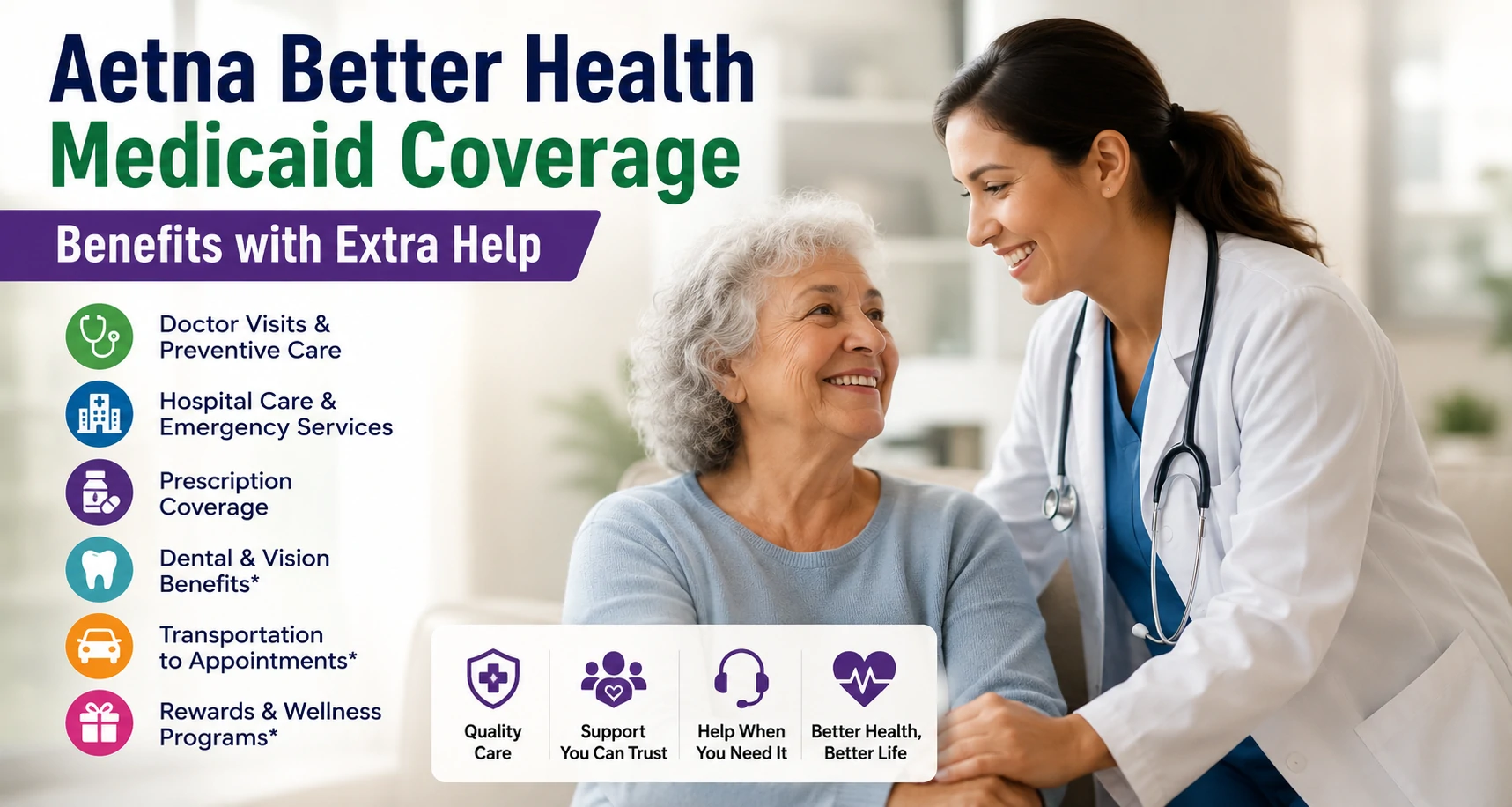
The plan helps cover care people use most and you can use it for doctor visits, hospital care, prescriptions, and mental health support. Coverage details can change based on the state and the county you live in. Some plans may also include extra help, such as rides to medical visits or small rewards tied to certain checkups. These extras are not guaranteed. Your state plan decides what you get.
Aetna Better Health does not operate everywhere but some states offer it. Others do not. Even inside the same state, plan options can differ by region. Check your state’s plan page or the number on your member card to confirm benefits and rules.
Who can use Aetna Better Health
Aetna Better Health is for people who qualify for Medicaid. Each state sets eligibility rules. States often look at income and household size. Some states also use age, pregnancy status, disability needs, or program type. Many members fall into common groups such as children, parents, pregnant people, seniors, and people who need long-term support. Some states also cover kids through foster care or adoption support programs. Eligibility can change over time, so it helps to confirm during renewal.
You cannot sign up on Aetna’s site first and start with your state Medicaid application. After approval, your state may ask you to choose a managed care plan. Aetna Better Health can appear as one option if it serves your county.
Picking the right clinic matters as much as picking the plan. This guide on Ampla Health Lindhurst Medical Clinic and Xpress Care can help if you want a quick idea of how clinics and walk-in care usually work.
What you can use it for day to day
People usually care about the same basics. Doctor visits. Prescriptions. A place to go when something feels wrong. Aetna Better Health plans often cover those core needs through Medicaid rules in your state.
Most members use the plan for primary care checkups and treatment. The plan can also cover vaccines, lab work, and other routine services. Hospital care is part of the picture too. That can include surgery and overnight stays when a doctor says it is needed. Mental health care is often included as well. Substance use support may be covered, depending on the state plan.
Emergency care is covered when you need it. That includes emergency room visits. Some state plans may offer extra help outside standard medical care. Transportation to medical visits is one example. Some plans may offer small rewards after certain wellness visits. A few may include discounts on certain health items. These extras vary a lot, so treat them as “maybe,” not “always.” The fastest way to confirm is simple. Check your state’s plan page or call the number on your member ID card.
What makes it feel different from a basic plan
Aetna Better Health does more than pay claims. Many Medicaid plans put support around the coverage, so members do not feel stuck when things get complicated. That support often shows up as care management.
A care manager can help when you have ongoing health needs or many appointments. They can help you schedule visits, understand medications, and connect with local resources when life issues affect health. That can include help through community groups that support food access, housing needs, or other services. What exists depends on the state and the local program partners.
Many members also prefer tools that save time. Aetna offers a mobile app in many areas. People use it to view an ID card, check benefits, and search for nearby providers. It helps when you need quick info and do not want a long phone call. App features can vary by state plan, so check what your plan supports before you rely on it.
If you like real examples of patient-focused care, you can also read this piece on Abishek Hariharan and his medical work. It helps explain what good care support looks like outside the insurance paperwork.
Where you can find Aetna Better Health
Aetna Better Health operates in select U.S. states. Plan names and benefits can change by state and sometimes by county, so it helps to confirm your exact area before you assume it is an option.
It depends on your state (and sometimes your county)
You may see Aetna Better Health on your Medicaid plan list in some areas, but not in others. States run Medicaid in different ways, so plan options can look different across the country.
When you can pick it
Aetna Better Health usually appears as a choice during Medicaid enrollment or renewal in areas where it operates. Your state sends plan options after approval. Use that list as your source of truth.
How to get on the plan without confusion
Start with your state Medicaid office and that is the only place that can approve Medicaid. You can apply online in most states. You can also apply by phone or in person if you prefer.
After approval, your state usually sends a list of health plan options. You pick from that list during the enrollment window. Aetna Better Health may appear as one option in areas where it operates. If you feel stuck at the choice step, call the plan number shown on your state packet or plan page. Ask one question first: “Is this plan available in my county?”
After you enroll, you should get a welcome packet. You also get a member ID card. Save it. The packet usually explains benefits, phone numbers, and next steps. Many plans ask you to choose a primary care doctor. Do that early. It makes future visits easier.
First-week checklist that saves time later
Keep the basics simple. Small steps prevent big headaches.
- Put your member ID card in your wallet. Take a photo of the front and back too.
- Save the member services number in your phone contacts.
- Find one primary care doctor in-network and book a first visit.
- Ask how referrals work before you schedule a specialist visit.
- Check the pharmacy rules so refills do not get delayed.
- Use the plan app or member portal if your state plan offers it. It helps you find care and view plan details.
If you see “reward” programs or ride help mentioned, confirm it on your state plan page or through member services. These extras change by location. Do not assume they apply everywhere.
A quick reality check before you rely on it
Aetna Better Health can work well when you use the plan the way Medicaid plans work. Stay in-network when possible. Use your primary doctor as your starting point. Call member services when something looks off. A bill can show up even when coverage exists, so ask before you pay.
This article shares general information and it does not replace medical, legal, or insurance advice. If you have a coverage dispute or a serious health issue, contact your plan and a qualified professional for help.
Some Aetna Better Health plans may cover basic vision care. In some cases, tools like eye patches help support healing after surgery or injury.
Questions people actually ask
I keep hearing “Aetna,” but is Aetna Better Health the same plan?
No. Aetna Better Health is tied to Medicaid in certain states. Employer Aetna plans work under different rules.
How do I know if my county even offers it?
Check your state’s Medicaid plan list after approval. The county matters. Two people in the same state can see different plan options.
Do I pay monthly like private insurance?
Many members do not pay a monthly premium. Costs depend on your Medicaid program and state rules. Member services can confirm your exact cost.
Can I keep my current doctor?
Maybe. Your doctor must accept your exact plan in your area. Call the clinic and ask if they take “Aetna Better Health Medicaid” for your county.
Do I need a primary doctor before I do anything else?
Often, yes. A primary doctor keeps routine care simple. The plan may also require referrals for some specialists.
Does it cover dental and vision?
Sometimes. Some state plans include it, some do not. Your plan documents or state plan page will list it clearly.
Rides to appointments… is that real?
It can be. Some plans offer transportation for covered visits. Rules can limit which rides count. Member services can explain it in one call.
What should I do if I get a bill that surprises me?
Pause first. Do not pay right away. Call the number on your member card. Ask if the provider was in-network and if the claim needs a fix.
I feel lost in the system. Is there someone who can guide me?
Ask about a care manager. Some members can get support with visits, medicines, and follow-ups, depending on health needs and state rules.
If you are in a healthcare program and manage classes online, you may also need quick help with school portals. This Pima Medical Institute Blackboard guide covers common access issues and simple fixes.
Accuracy note
HealthWavy’s information team reviewed and researched this topic using trusted sources. We aim to keep every section clear and not misleading. If you notice something that needs an update or correction, please leave a human comment or email us at info@healthwavy.com.