
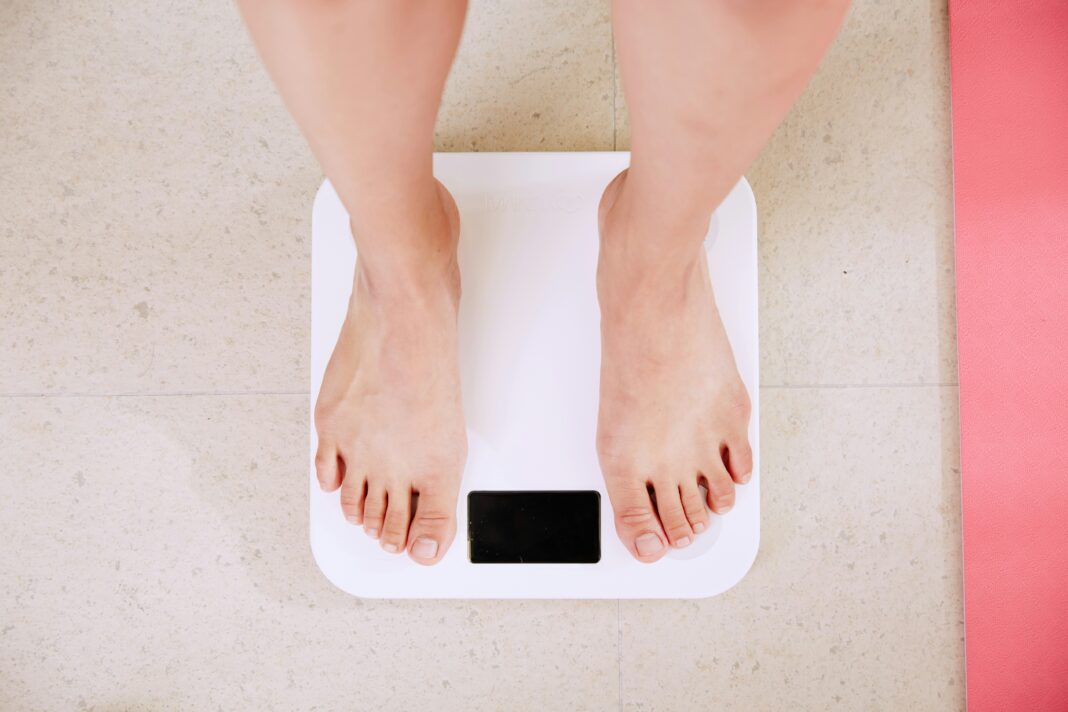
With the problem of obesity becoming mainstream in the US, a growing number of Americans have weight loss on their wishlist. A 2025 Gallup survey found that 41% of Americans describe themselves as being at least somewhat overweight. More than 50% expressed the desire to lose weight, but only half as many (26%) actively tried to do so.
Losing weight quickly may seem like a success, especially when the scale drops dramatically in just a few weeks. But rapid changes can sometimes come at a cost to your strength, energy, and long-term health. There is an important difference between planned weight loss and unintended or excessively rapid weight loss driven by extreme restriction or illness.
Sustainable health matters more than fast results, and understanding the risks can help you protect your body while pursuing your goals. In this article, we will explain the impact of rapid weight loss and how to deal with the concern.
What Is Considered Rapid Weight Loss?
Rapid weight loss means losing weight faster than the commonly recommended safe rate of about 0.5 to 1 kg (1 to 2 pounds) per week. The CDC guidelines highlight that people who lose weight at this gradual, steady pace are more likely to keep it off than those who lose it quicker. This pace ensures a balance between progress and safety for most adults.
You may lose weight more quickly through severe calorie restriction, skipping meals, or extreme diets. However, this approach increases the risk of muscle loss, nutrient deficiencies, and other health issues.
Another factor to consider is whether weight loss is intentional or unexplained. Intentional weight loss happens when you actively change your diet or activity, while unexplained weight loss occurs without trying and can signal an underlying medical condition.
According to the Cleveland Clinic, unexplained weight loss is concerning when numbers look odd. You must get medical attention if you lose more than 5% of your body weight (or 10 pounds) over 6-12 months. The concern is bigger if you’re over age 65. It is worth discussing with a healthcare professional.
Muscle Loss and Reduced Physical Strength
An article in The Conversation highlights the impact of a weight-loss diet on muscle mass. When you create a calorie deficit, your body does not get enough energy from the food you eat to meet your energy needs. At such a time, your body starts breaking down muscle tissue and fat for fuel.
This is common with crash diets, very-low-calorie plans, or approaches that eliminate entire food groups. Over time, losing muscle reduces strength, energy, and mobility, making everyday tasks feel harder and increasing the risk of injury.
Muscle loss also affects metabolism. Muscle tissue burns more calories at rest than fat, so losing it can lower your resting metabolic rate and make long-term weight management more difficult.
Preserving muscle should be part of any healthy weight-management approach to avoid such complications. Strategies such as adequate protein intake, resistance training, and a moderate calorie deficit help protect lean mass while supporting fat loss.
Nutrient Deficiencies and Low Energy
Restrictive diets may help you shed pounds faster than you expect. But, on the downside, they often make it difficult to get enough essential nutrients because they limit food variety and overall intake. When calories are very low, the needs for protein, iron, B vitamins, vitamin D, calcium, magnesium, and electrolytes are not met.
Missing out on these critical nutrients can affect energy production, immune function, bone health, and nervous system signaling. Possible effects of nutrient deficiencies include persistent fatigue, brain fog, hair thinning, brittle nails, mood changes, and reduced exercise tolerance. Some people also experience dizziness, palpitations, or irregular periods.
You may look slim, but that does not make you healthy when nutrient deficiencies become a part of the story. The importance of balanced nutrition during weight loss cannot be overstated. A varied diet with adequate protein, colorful vegetables, whole grains, healthy fats, and hydration supports both fat loss and overall wellbeing.
How Rapid Weight Loss Can Affect Your Body Systems
Losing weight too quickly can affect multiple body systems. Digestively, rapid weight loss is associated with a higher risk of gallstones, constipation, or diarrhea. Very-low-calorie diets, a chronic health condition, or certain weight-loss medications can complicate things further. For example, rapid shifts in weight and electrolytes can cause dizziness, low blood pressure, or heart rhythm changes in susceptible individuals.
Ideally, medical checkups are recommended for such individuals. You can consider regular monitoring to keep track of weight changes and their consequences. A family nurse practitioner can offer timely guidance and support. Many registered nurses pursue the best online post-master’s FNP program to gain this credential.
Wilkes University explains that FNPs are trained to help individuals manage their health, diagnose diseases, and provide support for ongoing chronic health problems. Complications related to rapid weight loss can be subtle at first, but they should not be ignored. A family nurse practitioner can address these issues before they become serious.
Warning Signs That Your Weight Loss May Be Unhealthy
Several warning signs suggest that weight loss may be unhealthy and warrant attention. Here are a few red flags you must watch out for:
- Persistent fatigue or weakness that does not improve with rest
- Dizziness or feeling faint (especially when standing)
- Noticeable loss of strength or muscle
- Ongoing digestive problems such as chronic diarrhea, constipation, nausea, or abdominal pain
You must seek urgent care if weight loss is accompanied by fever, night sweats, blood in stool or vomit, severe pain, chest pain, shortness of breath, confusion, or fainting. Timely intervention can help you get a diagnosis and treatment sooner rather than later. This can, in some cases, be life-saving.
FAQs
Can rapid weight loss cause muscle loss?
Yes. Severe calorie restriction or extreme diets can cause your body to break down muscle for energy, not just fat. This reduces strength, lowers metabolism, and makes long-term weight management harder. Adequate protein and resistance training help protect muscle during weight loss.
What are the warning signs of unhealthy weight loss?
Key warning signs include persistent weakness, dizziness, fatigue, noticeable loss of strength, and ongoing digestive problems like diarrhea or constipation. Unexplained or unintentional weight loss, especially with these symptoms, warrants prompt medical evaluation to rule out underlying conditions.
When should I see a doctor about rapid or unexplained weight loss?
Consider seeing a doctor if weight loss is unintentional, continues without clear reason, or exceeds about 5% of body weight in 6–12 months. Seek care sooner if you also have symptoms such as fever, night sweats, fainting, chest pain, blood in stool, or other significant health changes.
Key Takeaways
| Metric / Factor | Key Data / Recommendation |
| Americans who consider themselves at least somewhat overweight | 41% |
| Americans who want to lose weight | More than 50% |
| Americans actively trying to lose weight | 26% |
| Recommended weight-loss rate | 0.5–1 kg (1–2 lb) per week |
| Weight loss considered concerning when unexplained | >5% of body weight |
| Time frame for concerning unexplained loss | 6–12 months |
| Higher-risk age group for unexplained weight loss | Adults over 65 |
| Common risks of rapid weight loss | Muscle loss, nutrient deficiencies, fatigue, gallstones, digestive problems |
| Ways to protect muscle | Adequate protein + resistance training + moderate calorie deficit |
Sustainable health matters far more than fast results on the scale. Rapid weight loss can undermine strength, energy, and long-term metabolic health, and unexplained weight loss may signal an underlying condition that needs care.
If your weight is dropping quickly without effort, or if you have concerning symptoms, you must seek professional guidance. A clinician can help determine whether your weight loss is safe, identify any nutritional gaps, and create a plan that supports both your goals and your wellbeing.