


Americans are paying more attention to their health these days, and the growing adoption of wearables and apps shows this trend. According to a 2024 YouGov survey, 66% of Americans monitor at least one health metric through apps or wearables. Exercise is the most commonly tracked activity, with 35% doing it. Blood pressure is tracked by 29% of respondents, followed by weight (27%) and sleep (24%).
The good thing is that improving your health does not mean changing everything at once. You do not need a strict diet, an intense workout schedule, or a perfectly organized routine to feel better and support long-term well-being. In many cases, small actions repeated consistently can take you a long way.
In this article, we will share a few habits you can adopt to be healthy without completely revamping your lifestyle.
Start with Small Daily Changes
The most sustainable health habits are usually the ones that do not feel overwhelming. Instead of deciding to exercise for an hour every day, try beginning with a 10-minute walk after lunch or dinner. If you work at a desk, take short breaks to stretch or walk around. You can also park farther from an entrance, take the stairs when practical, or walk while making a phone call.
Research published in an article by The Guardian highlights the immense benefits of staying active. Daniel Bailey, a reader in health and sedentary behavior, notes that moderate activities are the ones that make you breathe a bit heavier and feel warmer. To reduce sitting by 30 minutes a day, you can try light activities like a slow walk or pottering around the house.
These small choices may seem insignificant individually, but they help make movement a regular part of your day. Choose one habit that feels realistic and repeat it until it becomes familiar. For example, fill a water bottle each morning, take a short walk after dinner, or stretch before getting dressed. Once the habit feels automatic, add another small improvement.
Make Healthier Food Choices Without Strict Dieting
According to the International Food Information Council, eating healthy can seem challenging due to the conflicting messages we get every day about food and nutritious eating. The truth is that healthy eating does not require eliminating every favorite food or following a complicated diet plan.
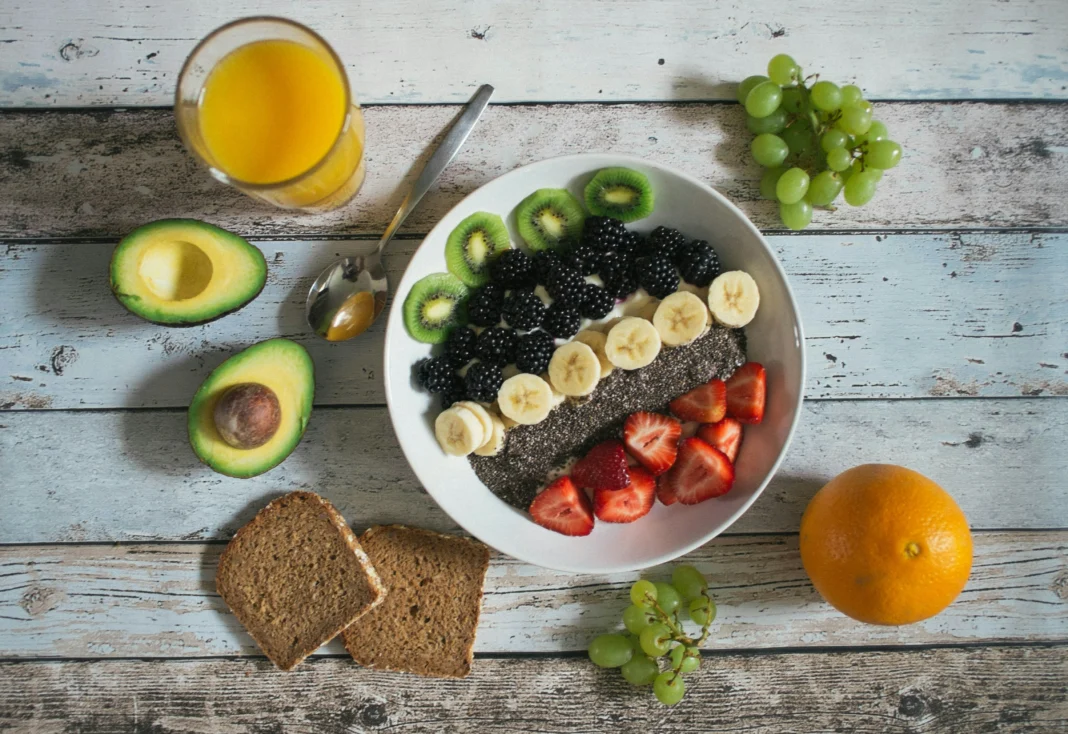
A more manageable approach is to improve the meals you already eat. Add fruit to breakfast, include vegetables with lunch and dinner, opt for whole-grain bread, or include extra protein sources to help meals feel satisfying.
You can also make gradual substitutions. Try water or sparkling water instead of a sugary drink a few times each week. Choose fruit and nuts more often than highly processed snacks, or prepare a simple meal at home when convenient.
Mindful eating can make these changes easier to implement. Slow down when possible and notice whether you are genuinely hungry, comfortably satisfied, or eating because of stress, boredom, or habit. A useful goal is to add before you subtract. Eating more vegetables, whole grains, and protein may naturally leave less room for foods that provide little nutritional value. This feels less restrictive and is easier to maintain.
Stay On Top of Preventive Checks
Preventive care can help identify health concerns early, when they may be easier to resolve. Keep up with routine appointments and ask your healthcare provider which checks are appropriate for your age, sex, family history, medications, and risk factors. Blood pressure checks, blood sugar evaluation, cancer screenings, cholesterol testing, and assessments related to mental health are recommended.
Regular monitoring should not be about waiting for appointments at a doctor’s office. You can see a family nurse practitioner instead. While the nursing shortage in the US is a concern, things have changed due to the availability of online education. For example, online MSN to FNP programs enable registered nurses to upskill and gain specialized credentials.
American International College explains that FNP programs focus on high-value skills such as health assessment, pharmacology, primary care management, and advanced practice. With these skills, an FNP can help you understand which services you need and when. Keep a record of appointments, test results, medications, and family health history so you can share accurate information during medical visits.
Prioritize Sleep and Recovery
Sleep is not a luxury or a reward for finishing everything else, and it should be seen as a priority. It is part of maintaining physical, mental, and emotional health. Conversely, insufficient sleep is associated with problems such as poor mood, stress, obesity, diabetes, and heart disease.
To get adequate sleep, you must make your schedule more consistent. Try to go to bed and wake up at roughly the same times each day. A regular rhythm can help your body know when to feel alert and when to prepare for rest.
Create a simple wind-down routine with dim lights, a warm shower, calming music, or gentle stretching. Reducing late-night screen use may also make it easier to relax. Also, avoid consuming caffeine late in the day.
Recovery includes quiet time, rest days, and pauses during demanding periods. Rest gives your body and mind an opportunity to recover. This can help you return to work, parenting, exercise, and daily responsibilities with greater energy.
Protect Your Mental and Emotional Well-Being
Cleveland Clinic explains why mental health should not be put on the back burner. Living a full, productive life requires more than a focus on “physical” health. Mental health matters just as much. Besides enhancing cognitive functioning, mental health boosts resilience, supports a positive self-image, and improves your relationships.
Protecting it may involve small, enjoyable activities that help you feel grounded. Make time for hobbies, music, reading, gardening, creative work, nature, or meaningful conversations with friends and family. Simple stress-management practices, like slow breathing, meditating, and journaling, can also help.
Boundaries are equally important. Set a clear stopping point for work, silence non-essential notifications, and protect time for meals, rest, and relationships. You may not be able to remove every source of stress, but you can create small periods in which your mind is not required to respond to demands.
FAQs
What is the easiest healthy habit to start with?
A short daily walk is an excellent starting point because it requires little equipment and can be adjusted to your schedule. Other simple options include drinking more water, adding one nutritious food to a meal, or keeping a consistent bedtime. Choose the habit that feels easiest to repeat rather than the one that sounds most impressive.
Do I need to completely change my diet to be healthier?
No. Gradual improvements can be more sustainable than a dramatic diet overhaul. Add more vegetables, fruit, whole grains, and protein to meals you already enjoy. You can also reduce sugary drinks and highly processed foods slowly. Occasional treats can fit into an overall balanced eating pattern.
How often should I have preventive checks?
The schedule depends on your age, sex, medical history, family history, medications, and personal risk factors. Some checks may be annual, while others occur less frequently. Ask your healthcare provider to create a personalized plan that includes physical exams, screenings, vaccinations, dental care, and vision care.
Key Takeaways
| Area of Well-Being | Simple Habit to Try | Easy Starting Point |
| Physical Activity | Add more movement to your day | Take a 10-minute walk |
| Nutrition | Make gradual food swaps | Add vegetables or fruit to a meal |
| Preventive Care | Stay current with health checks | Schedule routine screenings |
| Sleep & Recovery | Maintain a consistent sleep routine | Go to bed and wake up at similar times |
| Mental Well-Being | Make time to decompress | Try journaling, meditation, or a hobby |
Healthy living does not have to involve a complete lifestyle makeover. Small, consistent actions can gradually improve your well-being. Focus on habits that fit your responsibilities, preferences, budget, and energy level. If you miss a day, begin again without treating it as failure.