

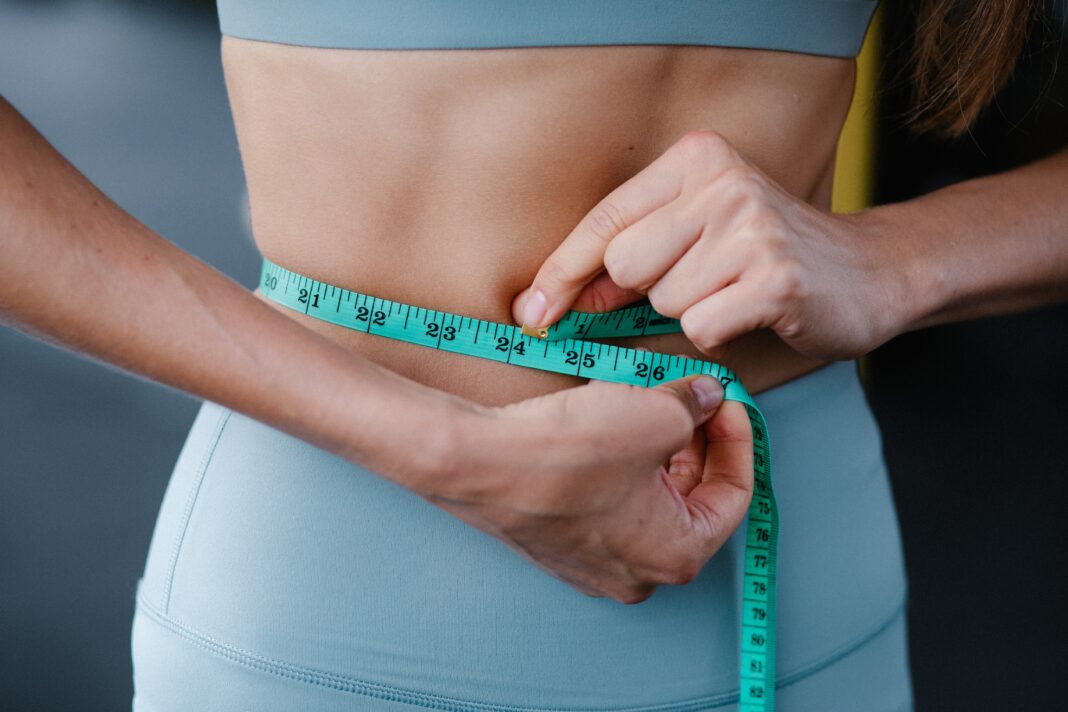
A basic gelatin weight loss recipe uses unflavored gelatin and water. Lemon or another light flavor may be added for taste. Plain gelatin has few calories and provides a small amount of protein, which may help with short-term fullness.
Current research does not prove that gelatin burns fat or causes lasting weight loss. It cannot target belly fat or replace GLP-1 medicines such as semaglutide. Studies have found possible effects on appetite, but those results came from controlled meals and do not prove that the popular gelatin drink works as a weight-loss treatment.
This guide covers the simple recipe, calories, protein, appetite research, safe use, meal timing claims, pink gelatin, Jell-O, collagen, and possible risks. It also explains where online weight-loss claims go beyond the available evidence.
Here’s the Simple Answer: Gelatin can serve as a low-calorie snack in a balanced diet and may help a person feel full for a short time. No proven dose, recipe, or meal schedule guarantees weight loss.
Start With a Basic Gelatin Recipe
There is no official recipe or medical formula for a “gelatin weight loss drink.” Versions shared online use different ingredients, so the calorie count and nutrition can change from one recipe to another. Lemon, cranberry juice, hibiscus tea, green tea, apple cider vinegar, honey, and flavored drink mixes are common additions.
A plain version is easier to prepare and gives you more control over what goes into each serving. Extra ingredients can always be added later for taste.
Simple Unflavored Gelatin Recipe
You will need
- 1 envelope of unflavored food-grade gelatin, about 7 grams
- 1 cup of water
- 1 teaspoon of fresh lemon juice, optional
Steps
- Pour 1/4 cup of cool water into a cup or bowl.
- Sprinkle the gelatin evenly over the water.
- Let it sit for a few minutes so the powder absorbs the water.
- Pour in 3/4 cup of hot water.
- Stir until the gelatin has fully dissolved.
- Add lemon juice if you want a little more flavor.
- Allow it to cool to a comfortable temperature before you drink it.
You can also pour the prepared mixture into a small container and refrigerate it until firm. This creates a simple gelatin snack instead of a warm drink. One envelope is a practical recipe serving, not a scientifically proven dose for weight loss. Research has not established a specific amount of gelatin that causes fat loss.
Food-grade gelatin is a common food ingredient in the United States. FDA records describe uses for gelatin that include thickening, stabilization, texture, and other food purposes. Warm and chilled versions provide the same basic gelatin when the ingredients and serving size stay the same. No evidence shows that warm gelatin burns more fat, or that chilled gelatin has a stronger effect on weight loss. Choose the form that is easier for you to eat or drink.
A Small Serving Has Few Calories
Plain unflavored gelatin has a very simple nutrition profile and typical 7-gram envelope contains about 25 to 30 calories and 6 to 7 grams of protein. It usually has little or no fat and almost no carbohydrate.
Exact amounts depend on the brand.
| Nutrient | Approximate amount |
|---|---|
| Calories | 25–30 |
| Protein | 6–7 g |
| Fat | 0 g |
| Carbohydrate | Around 0 g |
| Fiber | 0 g |
| Added sugar | 0 g |
A small amount of lemon juice changes the calorie and nutrient totals very little. Other additions can have a much bigger effect. Honey, juice, maple syrup, milk, yogurt, flavored gelatin, or protein powder can raise the calories and change the final nutrition profile.
Gelatin does provide protein, but it is not a complete protein source. It does not contain essential amino acids in the same balance as eggs, fish, dairy foods, meat, or soy. Research that compared gelatin with casein also found a less favorable protein balance. Plain gelatin can fit into a meal or snack, but it should not serve as the main protein source.
Feeling Full Is Not the Same as Losing Fat
Gelatin may help some people feel less hungry for a short time, but that does not mean it causes fat loss. A person who feels fuller before dinner may eat a smaller meal and reduce calorie intake. Another person may eat less at dinner but snack later, which can cancel out that difference.
Body weight depends on the full daily pattern, not one food or one meal. Total food intake, activity, sleep, medicines, health conditions, portion sizes, and long-term habits all play a role. Current gelatin research mainly gives us clues about appetite, not strong proof of lasting weight loss from the viral recipe.
A Small Study Found an Appetite Effect
A 2009 Maastricht University study included 24 healthy adults and compared several protein sources. Participants ate test breakfasts that contained gelatin, casein, whey, soy, alpha-lactalbumin, or related protein mixes. Lunch was served three hours later. After certain gelatin-based breakfasts, participants ate about 20% less at lunch than after several of the other meals. Appetite ratings also changed.
The result suggests that gelatin may help with short-term fullness in some situations. However, researchers tested complete breakfast meals, not a simple gelatin-and-water drink taken before a regular meal. The study also did not measure long-term fat loss. It shows a possible appetite effect, but it does not prove that the viral gelatin recipe causes weight loss on its own.
Another Trial Found Less Hunger but No Metabolism Boost
A separate trial studied 23 adults and compared gelatin with casein, another protein source. Under one test condition, gelatin reduced hunger more than casein. Researchers did not find a rise in energy use. Protein balance was also less favorable with gelatin. This means gelatin may affect appetite in certain situations, but it did not make the body burn more calories. Claims that it boosts metabolism go beyond what this study found.
Longer Research Did Not Show Better Weight Control
A 2010 clinical trial followed 65 healthy adults after an eight-week weight-loss phase. Participants then used different protein diets for four months. One plan included gelatin with milk protein. Changes in BMI and body composition were similar across the groups.
The gelatin-based plan did not improve weight maintenance compared with the other diets. Longer-term evidence therefore does not support gelatin as a special tool for weight control.
Claims That Go Beyond the Evidence
Social media often turns a small appetite effect into much bigger weight-loss claims. Research does not support most of them.
| Common claim | What the evidence says |
|---|---|
| Gelatin may help you feel full | Possible for a short time |
| Gelatin burns body fat | Not proven |
| Gelatin targets belly fat | Not supported |
| Gelatin speeds up metabolism | Not shown in controlled research |
| Gelatin causes long-term weight loss | Not proven |
| Gelatin is a complete protein | No |
| Pink gelatin works better | No clear evidence |
| Exact meal timing improves fat loss | Not established |
| Gelatin works like a GLP-1 medicine | Not supported |
Gelatin may affect appetite, but appetite control is not the same as fat loss. A person still needs to look at total food intake and long-term habits. Claims about melted belly fat, hormone resets, or a faster metabolism go beyond the current evidence. Gelatin is better viewed as a low-calorie food that may help with short-term fullness, not as a proven weight-loss treatment.
Gelatin Is Not a Natural Ozempic
Terms such as “natural Ozempic” and “GLP-1 gelatin trick” can make gelatin sound like a substitute for weight-loss medicine. It is not. Gelatin is a food protein, while Ozempic and Wegovy contain semaglutide, a prescription GLP-1 receptor agonist. Wegovy has FDA approval for chronic weight management in eligible patients.
Small studies have looked at gelatin and appetite hormones such as GLP-1 and ghrelin. Results do not show that gelatin acts like a GLP-1 drug. Food can affect normal appetite signals after a meal, but this is not the same as the effect of prescription medicine.
A gelatin recipe should not replace prescribed weight-loss treatment. Anyone who uses a GLP-1 medicine should discuss major diet or treatment changes with their healthcare professional.
Gelatin is a food protein, while Ozempic and Wegovy contain semaglutide, a prescription GLP-1 receptor agonist.
There Is No Proven Best Time to Take Gelatin
Online recipes often suggest gelatin 15, 20, or 30 minutes before a meal. Research has not found an ideal time that improves weight loss or fat loss. One major gelatin study served lunch three hours after a test breakfast. It did not test a gelatin drink shortly before dinner. A person may choose to have gelatin before a meal if it helps with fullness, but the exact timing has no proven weight-loss advantage.
Plain Gelatin and Jell-O Are Not the Same
Plain unflavored gelatin mainly provides the protein that creates a gel. Flavored gelatin desserts such as Jell-O may also contain sugar, sweeteners, colors, acids, flavors, and other ingredients.
Regular sweetened versions can add more sugar and calories. Sugar-free products usually contain fewer calories but may use alternative sweeteners and other additives. Neither type has been proven to burn fat. Plain unflavored gelatin gives you more control over the recipe. You can choose the flavor and keep track of any added sugar or calories.
Collagen Powder Is Not the Same as Gelatin
Gelatin and collagen peptides both come from collagen, but they work differently. Gelatin dissolves in warm liquid and forms a gel as it cools. Collagen peptides usually dissolve and stay liquid.
This difference matters in recipes. Collagen powder may not create the same texture if you use it instead of gelatin. Research on the two products should also stay separate. A study on gelatin does not prove that collagen has the same effect on appetite or weight loss, and collagen research cannot prove that a gelatin drink works.
Pink Gelatin Does Not Add a Weight-Loss Advantage
Pink gelatin may use cranberry juice, hibiscus tea, pomegranate juice, flavored gelatin, or a drink mix for color. No strong evidence shows that the pink version works better than plain gelatin for appetite or fat loss. Added ingredients can change the nutrition. A small amount of unsweetened juice may add few calories, but larger amounts of sweetened juice, honey, or syrup can raise the sugar and calorie content. The color itself has no proven weight-loss effect.
Lemon, Green Tea and Vinegar Mainly Add Flavor
Lemon juice can give plain gelatin a fresher taste without adding many calories. Apple cider vinegar adds a sharp flavor, but there is no evidence that its combination with gelatin creates a special fat-burning effect. Green tea is another option for flavor. Regular green tea contains caffeine, so it may not suit everyone late in the day. These ingredients can make the recipe more enjoyable, but they do not turn gelatin into a detox, hormone reset, or belly-fat treatment.
Gelatin Works Better as a Snack Than a Meal
Plain gelatin has little or no fiber and does not provide all the nutrients found in a balanced meal. It cannot replace vegetables, fruit, healthy fats, quality carbohydrates, and complete sources of protein.
A small gelatin serving can fit into the diet as a light snack, low-calorie dessert, or part of another recipe. Its value also depends on what it replaces. A 30-calorie gelatin cup in place of a high-calorie dessert may help lower total calorie intake. Using it instead of a nutritious lunch is much less useful because important protein, fiber, vitamins, minerals, and healthy fats may be missed.
NIDDK guidance supports a balanced eating pattern that a person can maintain over time. Food quality, total calorie intake, physical activity, and daily habits matter far more than one low-calorie food.
Plain gelatin has little or no fiber and does not provide all the nutrients found in a balanced meal. Add high-fiber foods such as fruit, vegetables, beans, whole grains, nuts, and seeds elsewhere in your diet.
Extra Care Is Needed With Medical or Special Diets
Gelatin is a common food ingredient, but it may not suit every diet. People who follow a medical plan that limits protein or fluids should check with their healthcare professional before they use gelatin on a regular basis. Post-surgery diets can have specific rules for protein, fluids, portions, and food texture. People with swallowing problems may also need a specific food consistency, so homemade gelatin should not automatically be treated as suitable.
Traditional gelatin comes from animal collagen. It does not fit vegetarian or vegan diets. Halal and kosher suitability also depends on the animal source and product certification, so the package label should be checked before use.
Sugar-Free Does Not Mean Complete Nutrition
Sugar-free gelatin can have fewer calories and less added sugar than regular gelatin dessert. That may help someone who wants a lighter snack. However, the label does not tell the full nutrition story. Products may contain different sweeteners, colors, flavors, and sodium levels. Gelatin also lacks fiber and is not a complete protein. Plain unflavored gelatin gives you more control because you decide what goes into the recipe.
Other Snacks Can Provide Better Nutrition
Gelatin has few calories, but a low calorie count does not always make a food the better choice. Greek yogurt, eggs, cottage cheese, and edamame provide high-quality protein along with other nutrients. Fruit offers fiber and vitamins, while nuts and seeds provide healthy fats and minerals. These foods may contain more calories than plain gelatin, but they can also make a snack more balanced. Gelatin can still have a place as a light snack or dessert. It does not need to replace foods with greater nutritional value.
Be Careful With Big Weight-Loss Promises
Claims of fast or guaranteed results should raise concern. Current research does not support promises that gelatin can:
- cause a set amount of weight loss in a few days
- remove belly fat
- produce weight loss without diet changes
- replace weight-loss medicine
- reset hormones or repair metabolism
- work only at an exact time before a meal
NIDDK advises people to be cautious with weight-loss plans that promise rapid results or fat loss from one specific area of the body. Gelatin research does not show that a recipe can deliver those results. Numbers such as “10 pounds in two weeks” may sound convincing, but they are not supported by gelatin studies.
A Simple Way to Try Gelatin
Start with food-grade unflavored gelatin and follow the serving directions on the package. Dissolve it fully in water and add a little lemon or another light flavor if needed. Treat gelatin as a snack or food, not as a treatment. Notice whether it helps you feel satisfied and whether it replaces a higher-calorie snack. Regular meals should still provide enough protein, fiber, healthy fats, vitamins, and minerals.
There is no need to follow an exact pre-meal schedule. Research has not found a proven gelatin dose or time that produces fat loss. Taking more gelatin also does not mean better results.
Gelatin Without the Weight-Loss Hype
Gelatin can have a useful place in a weight-loss diet, but its role is limited. Plain gelatin has few calories and provides a small amount of protein. It may also help some people feel full for a short time. This makes it a practical option as a light snack or lower-calorie dessert.
Evidence does not show that gelatin burns belly fat, speeds up metabolism, or causes significant weight loss on its own. Pink gelatin, special ingredients, or exact meal times have no proven fat-loss advantage. Gelatin also does not work like GLP-1 medicines or replace medical weight-loss treatment.
A balanced diet still matters far more than one recipe. Gelatin can support that diet when it replaces a higher-calorie snack and regular meals still provide enough protein, fiber, healthy fats, vitamins, and minerals. Its value is simple: few calories, some protein, and possible short-term fullness – not a shortcut to weight loss.
Still Unsure About the Gelatin Weight-Loss Claims?
The HealthWavy AI Assistant can help you make sense of the recipe, research, and common claims covered in this guide. Use chat or voice to ask questions and get clear educational guidance based on the topic.
“What does research say about gelatin and appetite?”
“Is the 20-minute gelatin rule actually proven?”
“How are gelatin, Jell-O, and collagen different?”
HealthWavy AI provides educational guidance and does not replace advice from a qualified healthcare professional.