



A left eyelid twitch in a woman usually reflects a small muscle spasm, often linked to stress, poor sleep, caffeine or eye irritation. It is not a medically recognized sign of good luck, bad luck or a future event.
If “left eye blinking” means a repeated flutter you cannot control, the eyelid is often the part that moves. Ordinary blinking and a persistent muscle twitch are different, and the symptoms around the movement matter more than which side it affects.
Separate a flutter from ordinary blinking
Blinking spreads tears across the eye. A twitch is an involuntary contraction that can feel like a tiny ripple, pulse or flicker in the upper or lower lid. Doctors often call the common, localized form eyelid myokymia.
It frequently affects one eye at a time and may come and go. Notice whether your eye stays open during the flutter, squeezes fully shut, or moves along with your cheek or mouth. Those details help an eye doctor distinguish a minor twitch from another movement problem.
Does being female change its meaning?
A twitch on the left side does not have a separate medical meaning just because you are a woman. Health guidance evaluates the movement, its duration and any other symptoms. It does not use the side of the twitch to predict personal events.
Female sex is a risk factor for dry eye, which can contribute to irritation. That is a physical health connection, not proof of a hormone problem in any individual. A twitch alone cannot tell you whether you have a deficiency, a pregnancy or a specific disease.
Check the triggers in your routine
Recent changes are useful clues. A few nights of poor sleep, extra coffee or a stressful week may explain why a mild flutter appeared. Several triggers can overlap, so one isolated episode rarely identifies a single cause.
- Fatigue and insufficient sleep can accompany eyelid spasms.
- Stress can make a twitch more likely or more noticeable.
- Excess caffeine, including coffee, tea and energy drinks, can be a trigger.
- Dryness or irritation can affect the eye surface and inner eyelid.
- Alcohol, nicotine and eye strain are other possible contributors.
Do not assume a twitch proves that you need magnesium or another supplement. Most common eyelid twitches do not establish a nutrient deficiency. A clinician can decide whether your diet, medicines or other symptoms justify further assessment.
Dryness deserves a closer look
Burning, a gritty sensation, redness or intermittent blur can accompany dry eye. Tears may be too scarce, evaporate too fast or fail to keep the surface comfortable. Contact lens use and long periods at a screen can be relevant.
Redness does not automatically mean an infection. HealthWavy’s guide to conditions that can resemble pink eye explains several overlapping symptoms. An examination, rather than the appearance alone, helps establish the cause.
“The lasting fix for an eyelid twitch is addressing the trigger.”
Anne M. Langguth, MD, in Northwestern Medicine’s eyelid twitch guidance
Small changes that may help
A brief, mild flutter without other symptoms often settles on its own. Start with practical changes you can maintain, instead of trying several remedies at once or expecting an instant cure.
- Make time for consistent sleep and rest your eyes when they feel tired.
- Reduce excess caffeine. Count tea, soda and energy drinks as well as coffee.
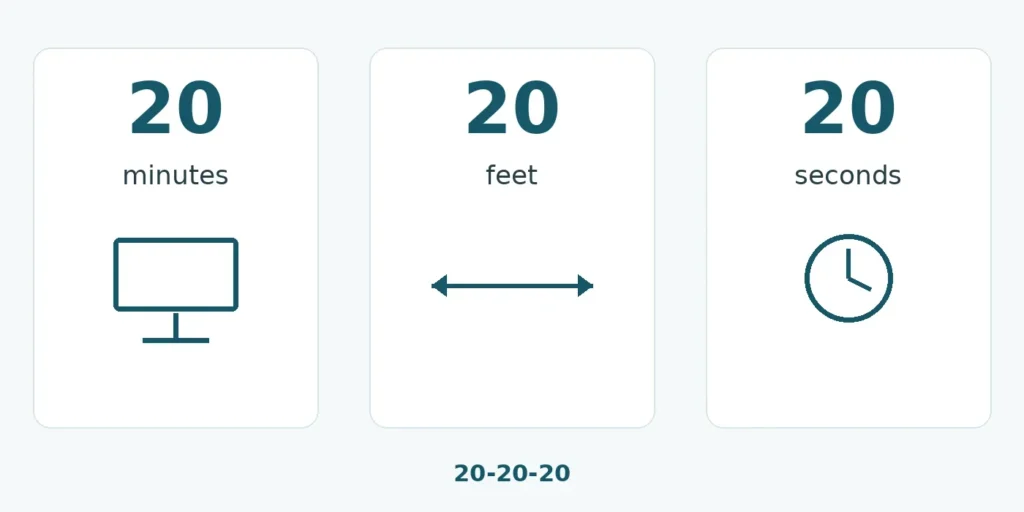
- Take regular screen breaks and consciously blink. One option is the 20-20-20 habit: every 20 minutes, look about 20 feet away for 20 seconds.
- Ask a pharmacist or eye doctor about lubricating artificial tears if your eyes feel dry. Follow the product directions and check contact lens compatibility.
- Choose a manageable way to ease stress, such as a short break or slow breathing.
Prescription medicines can sometimes contribute to muscle twitches. If symptoms began after a new medicine or dose change, tell the prescriber. Keep taking prescribed treatment unless a qualified clinician advises a change.
Match the symptoms to the next step
Timing helps, but it is not the only factor. A tiny intermittent flutter calls for a different response from a lid that repeatedly forces the eye shut. Seek care sooner if symptoms change or interfere with normal activities.
| Pattern you notice | Reason to pay attention | Next step |
|---|---|---|
| Brief flutter, eye stays open | Often fits a common minor twitch | Try rest and review routine triggers |
| Twitch remains after a week | Persistence deserves a review | Arrange an eye care appointment |
| Lid closes fully or face also twitches | May require assessment beyond ordinary myokymia | Contact an eye doctor promptly |
| Redness, swelling, discharge or drooping | Another eye or eyelid problem may be present | Seek medical evaluation |
MedlinePlus advises an appointment if eyelid twitching does not resolve within one week. Other guidance allows a few weeks for an otherwise mild twitch. You do not need to wait that long if you are uncomfortable or develop additional symptoms.
Persistent spasms need their own assessment
Benign essential blepharospasm is an uncommon movement disorder that can cause repeated blinking and forceful closure of both eyes. Hemifacial spasm affects one side of the face and can spread from the eye area. Neither diagnosis follows from a small left eyelid flutter alone.
An eye examination and medical history help guide treatment. Clinicians may treat an underlying problem such as dry eye, or consider botulinum toxin injections for certain diagnosed persistent spasms. Injections and surgery are specialist options, not routine remedies for an occasional twitch.
Bring useful details to an appointment
Describe the movement in your own words. “My lower lid flutters but stays open” gives a different picture from “my eye squeezes shut.” Mention whether you can read, work or drive normally, rather than simply calling the symptom annoying.
Write down when the twitch began, which lid moves, how often it happens and whether your vision or other facial muscles are affected. List medicines and supplements, recent sleep changes and your usual caffeine intake. A short video can help describe an intermittent movement that stops before the visit.
HealthWavy’s eye health articles offer related background, but a persistent or changing symptom needs an individual assessment. Avoid driving if spasms close your eye or disrupt your view, and describe that problem clearly when you request care.