


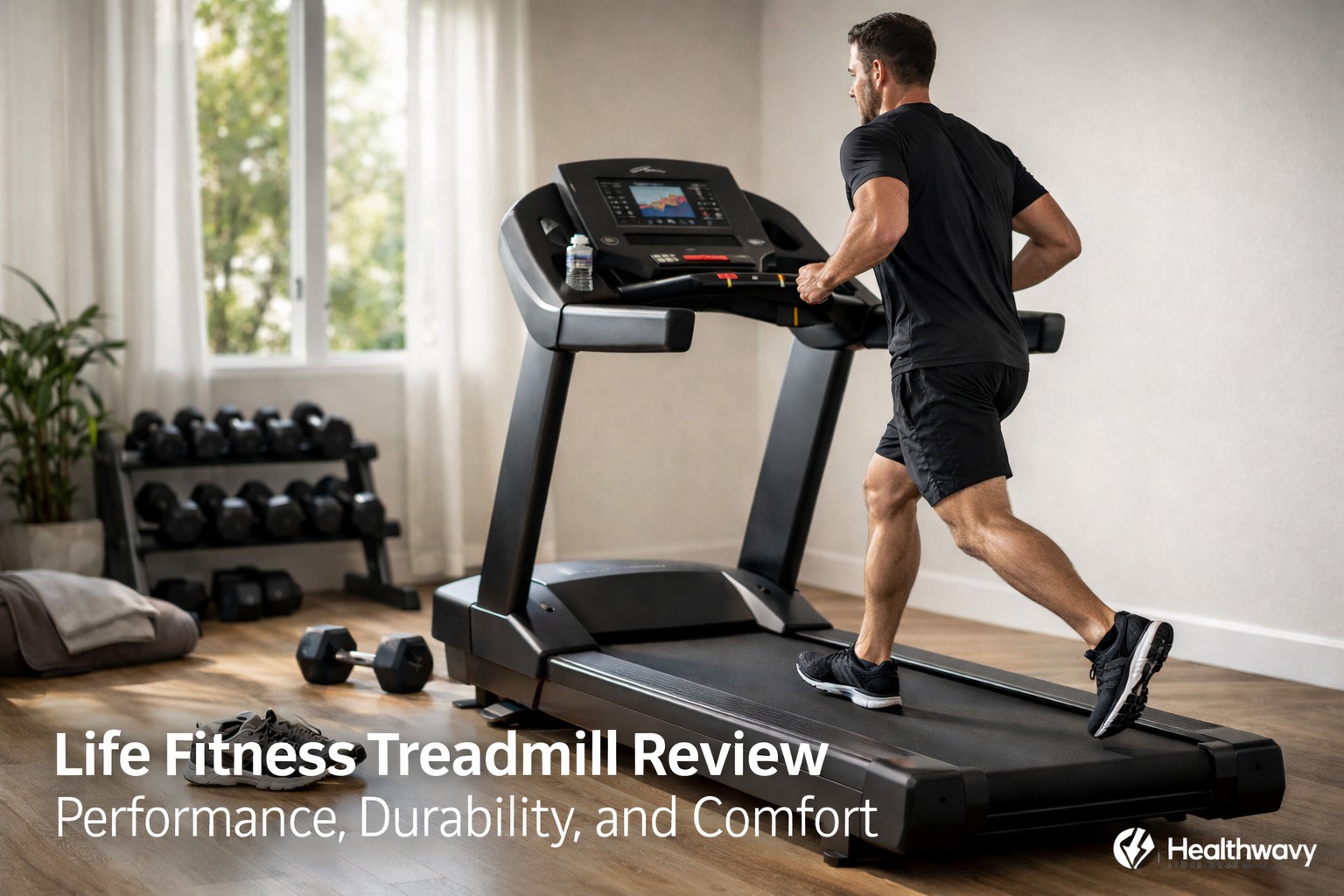
The first time you step onto a Life Fitness treadmill, you notice the weight. Not the number on a spec sheet. The physical presence. It does not feel hollow. It does not creak when you shift your stance. That first impression tells you a lot.
Life Fitness began in Illinois in 1968. The brand built its name inside commercial gyms, hotels, and university fitness centers. Many people have run on these machines without even checking the logo. That commercial background shapes how these treadmills behave in a home setting. This review looks at how the machine performs under stress, how well it holds up over time, and how it feels during long workouts.
It Feels More Like Gym Equipment Than Home Gear
Some treadmills look solid in photos but feel light once assembled. That is not the case here. Most Life Fitness models use thick steel frames. Several weigh more than 250 pounds. That mass helps in two ways. It limits vibration. It keeps the machine planted during fast runs or steep inclines.
The running surface usually measures about 20 to 22 inches wide and close to 60 inches long. Taller users benefit from that extra space. Runners with longer strides do not feel confined. You can sense the stability when you increase speed. The deck stays steady. The side rails do not flex. The handrails feel secure when you grab them. Commercial gyms often operate treadmills 8 to 12 hours each day. Residential models borrow from that design mindset. They are not fragile machines built for light weekend use.
How the Motor Handles Real Workouts
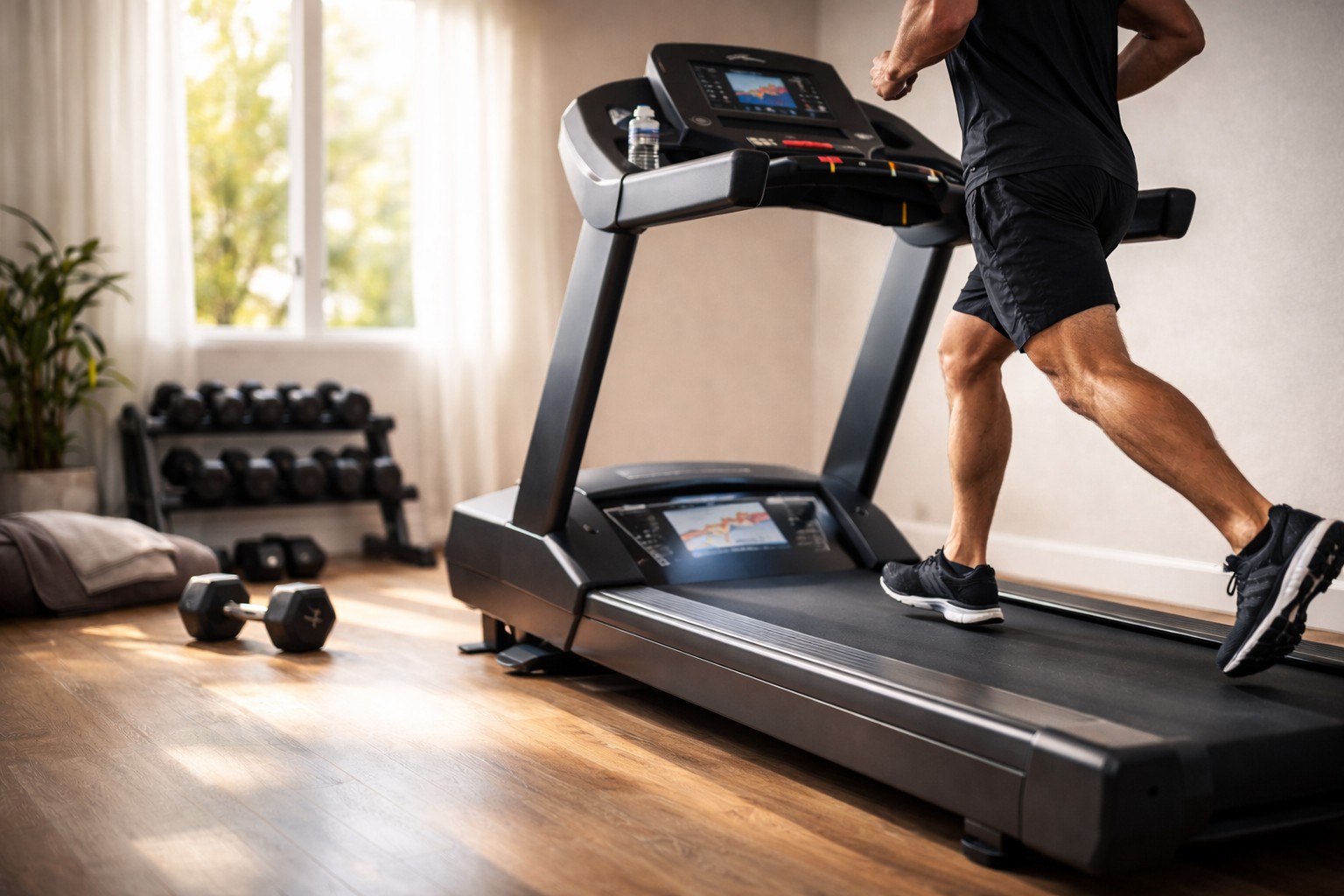
Motor ratings often confuse buyers. Many brands advertise peak horsepower. That number sounds impressive but does not reflect sustained effort. Life Fitness commonly uses motors rated between 3.0 and 4.0 CHP. Continuous horsepower matters more because it measures steady output under load.
In practice:
- A slow walk at 3 mph feels smooth.
- A steady jog at 6 mph remains consistent.
- A faster run near 10 mph does not strain the system.
If you want to estimate how many calories you burn at these speeds, you can use our Treadmill Calorie Calculator to get a quick, personalized estimate based on your weight and workout duration.
Incline adjustments respond without delay. Some models reach 15 percent incline. The transition feels controlled. The belt does not hesitate or jerk forward. Users with higher body weight often worry about motor stress. Many Life Fitness treadmills support between 300 and 400 pounds, depending on the model. That range reflects strong internal components. Noise stays moderate. You hear foot strikes more than motor hum. That difference becomes clear in a quiet room.
The Deck and Its Impact on Your Joints
Joint stress builds over time. Hard surfaces increase that stress. Cheap decks often feel stiff. Soft decks sometimes feel unstable. Life Fitness includes shock absorption systems in many models. The company refers to one system as FlexDeck. The idea centers on reducing impact compared to outdoor pavement.
The feel sits somewhere in the middle. It does not bounce. It does not feel rigid. After 30 or 40 minutes, your legs tell the story. Fatigue tends to feel lower compared to basic treadmills. Users with mild knee discomfort often appreciate this balance. The deck will not solve injuries. It can reduce repeated impact. Comfort here is subtle. You notice it more after several weeks than in the first five minutes.
Controls, Screens, and Daily Use
The console shapes your daily experience. Some Life Fitness treadmills use simple LED displays. Others include large touchscreens with internet connectivity and built-in programs.
Common features include:
- Speed and incline controls
- Preset workout options
- Heart rate tracking
- Bluetooth support
- Custom workout settings
Touchscreen models respond well. Menus remain clear. The layout feels organized instead of cluttered. Basic versions focus on essentials. They show time, distance, calories, and heart rate without distraction. Hand grip sensors sit on the front handles. Many units also connect to chest strap monitors for more accurate heart rate tracking. Buttons feel firm. They do not wobble after months of use. Small details like that affect long-term satisfaction.
Comfort Beyond Cushioning
Comfort does not stop at joint protection. Stability, belt movement, and noise all contribute.
Life Fitness treadmills tend to:
- Keep belt tracking consistent
- Maintain even tension
- Reduce noticeable vibration
- Stay stable at higher speeds
The width allows natural arm movement. You do not feel boxed in. Taller runners especially notice this. At home, noise remains manageable. You can hold a conversation or watch television without raising the volume too much. The emergency stop clip responds instantly when pulled. That reliability adds peace of mind. A treadmill should fade into the background during exercise. It should not demand constant adjustment. These machines generally achieve that.
You can explore our curated range of fitness support products on the HealthWavy Supplements & Fitness Shop to find tools that help with recovery, joints, and energy during regular workouts.
Home Models Versus Full Commercial Units
Life Fitness offers both residential and commercial lines.
Commercial units usually include:
- Heavier frames
- Larger motors
- Higher price points
- Bigger footprints
Residential models often provide:
- Slightly lighter builds
- Standard home outlet compatibility
- More compact dimensions
- Lower overall cost
Most home users do not need a full commercial machine. Residential models often provide enough strength for daily workouts. Space planning matters. Many treadmills extend beyond six feet in length. Proper clearance behind the machine reduces risk in case of a fall.
What It Takes to Keep It Running Well
Strong construction does not eliminate maintenance.
Basic care includes:
- Wipe sweat from the deck and console
- Check belt alignment periodically
- Lubricate the deck when recommended
- Inspect bolts and tighten if needed
Life Fitness often provides solid warranty coverage. Many residential models include lifetime frame warranties and extended motor protection. Parts coverage commonly ranges from three to seven years, with labor coverage shorter. Warranty terms vary by model and location. Always confirm the details before purchase.
In commercial settings, these machines often last close to a decade under heavy daily use. Home units typically last longer due to lighter demand.
Cost and the Question of Value
Life Fitness sits in the premium category. Residential models often begin around $2,000 and can exceed $4,000 depending on console type and features. Commercial units cost more.
The price reflects several factors:
- Frame strength
- Motor durability
- Shock absorption design
- Warranty structure
- Brand history in commercial gyms
This brand does not aim at budget buyers. It targets users who want stability over many years. A cheaper treadmill may cost less today. It may also require replacement sooner. Long-term value depends on how often you train and how hard you push the machine.
Things to Check Before You Order
Measure ceiling height. Incline increases your standing height. Taller users need extra headroom. Confirm electrical setup. Most residential models plug into standard outlets. Commercial versions may require different power sources. Plan delivery carefully. These machines are heavy. Professional assembly often reduces stress and risk of damage. Review return policies. Large equipment can be difficult to ship back once delivered.
How It Stacks Up Against Other Premium Names
Premium buyers often compare Life Fitness with NordicTrack and Sole Fitness. NordicTrack emphasizes interactive screens and subscription-based workout content. The experience feels tech-focused. Sole Fitness promotes strong motors and competitive pricing in the mid-to-high range.
Life Fitness leans into its commercial heritage. It prioritizes structural stability and mechanical reliability. Some users prefer advanced digital features. Others prefer a machine that feels solid above all else. Personal preference plays a large role here.
After Months of Use, Patterns Appear
Short tests do not reveal much. Long-term use does. Lower-cost treadmills often show early signs of wear:
- Belt slipping
- Motor strain noise
- Display delays
- Frame wobble
Life Fitness models usually avoid these problems in the early years. The belt stays aligned. The frame remains firm. Consistency encourages regular workouts. Equipment that rattles or glitches discourages use. Reliability may matter more than flashy features.
Performance, Durability, and Comfort in Plain Terms
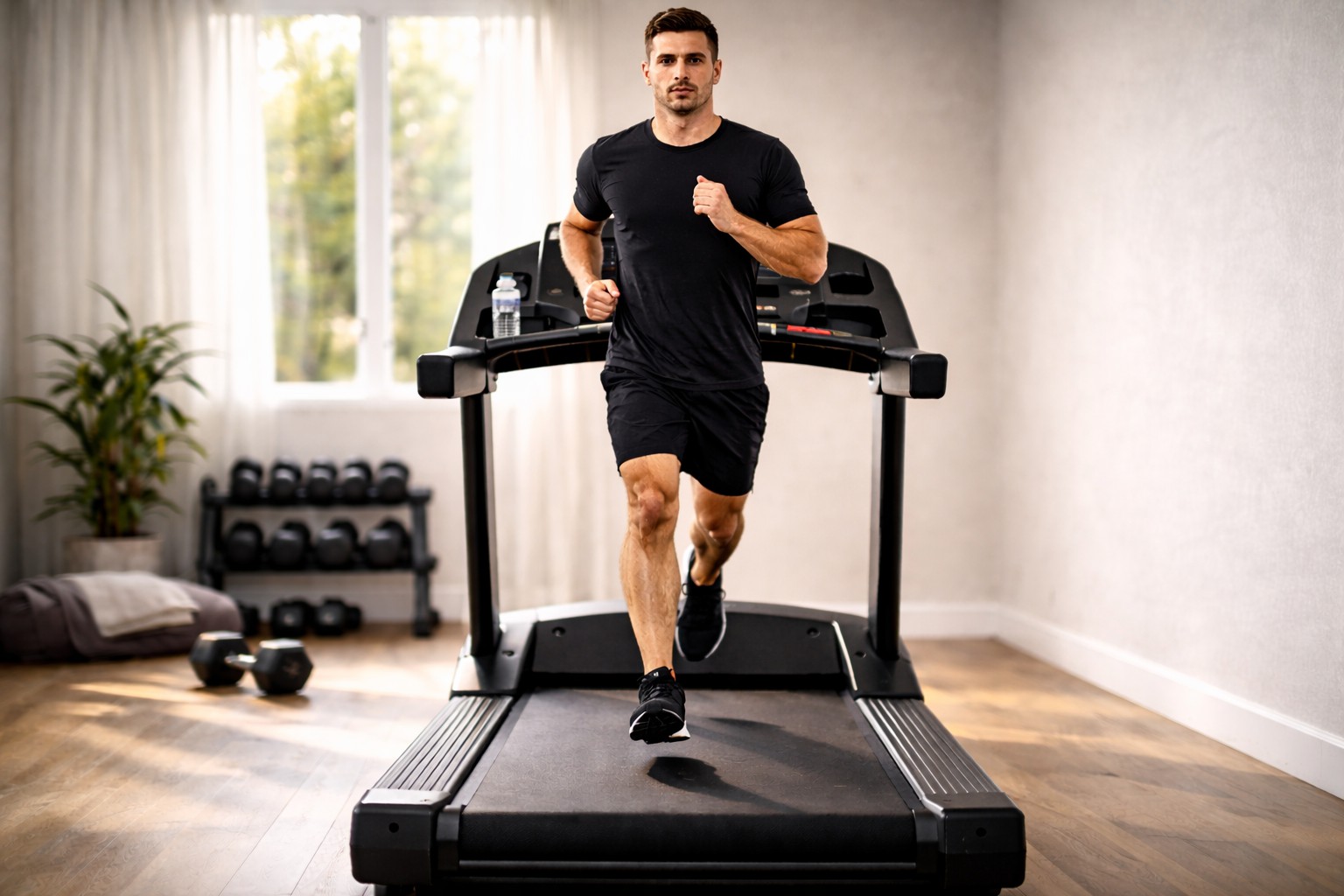
A treadmill must handle pressure without delay. Life Fitness models respond fast when you adjust speed or incline. The motor stays steady under load. You do not feel sudden jerks or slow response. The frame stays firm at higher speeds. Fast runs do not cause side movement. The deck feels stable underfoot. That stability builds trust during longer sessions.
Comfort plays a major role. The running surface reduces impact without feeling soft. Your stride stays natural. After extended use, legs often feel less stressed compared to basic machines. Durability shows in daily use. Parts feel tight and secure. The belt tracks straight. Controls respond without lag. These details matter more than extra features.
Cost sits in the higher range. The build quality explains that price. You pay for stronger materials and a longer service life. People who train often tend to value that strength. Light users may not need this level of equipment. Your routine, available space, and budget should guide the choice.
If you want structured guidance and support as you train, check our article on how Delta Fitness Authority works, where you will find step-by-step fitness planning and coaching insights.
Common Questions People Ask
Is a Life Fitness treadmill a smart choice for home workouts?
A Life Fitness treadmill suits people who train often. The frame feels firm underfoot. The motor stays steady during walks and runs. It works best in homes with enough space and a solid budget. Casual users may not need this level of build quality.
How many years can you expect it to last?
Service life depends on care and usage. In gyms, these machines run daily for long hours and still hold up well. At home, they often last many years with basic upkeep. Regular deck lubrication and belt checks help extend performance.
Does it feel easier on knees and hips?
Most models use a shock control system in the deck. The surface absorbs part of the impact from each step. The feel stays firm yet controlled. It does not heal joint pain, but it can reduce repeated stress compared to hard pavement.
What should you confirm before placing an order?
Measure ceiling height and floor area first. Incline raises your standing position. Check your power outlet and circuit capacity. Review warranty coverage and delivery details. Large equipment requires planning before it enters your home.