
A Simple Herb with Big Weight Loss Claims
Open social media and you will see people praise lemongrass tea as a natural way to slim down. It sits in kitchen cabinets across the world. It tastes fresh and light. Many drink it at night and feel good the next day. Soon, the talk shifts. Some say it speeds up metabolism. Others say it melts fat.
That is a big promise for a basic plant.
Weight loss does not depend on aroma or taste. The body loses fat when it uses more energy than it stores. That rule does not change. So the real question is direct. Can lemongrass change how your body burns calories in a meaningful way?
Science looks at this question with caution. The answers are steady, not dramatic.
Fat loss depends on energy balance, not trends
The body uses energy in several ways:
- Energy used at rest
- Energy used to digest food
- Energy used during daily movement
- Hormonal signals that control fat storage
These systems work together. They do not shift in a major way from one herb.
If you eat more calories than you use, fat increases. If you use more than you eat, fat decreases. That principle remains constant. Many supplements claim they “boost metabolism.” In reality, most create only a small shift. That shift often fails to create visible fat loss.
What sits inside this plant
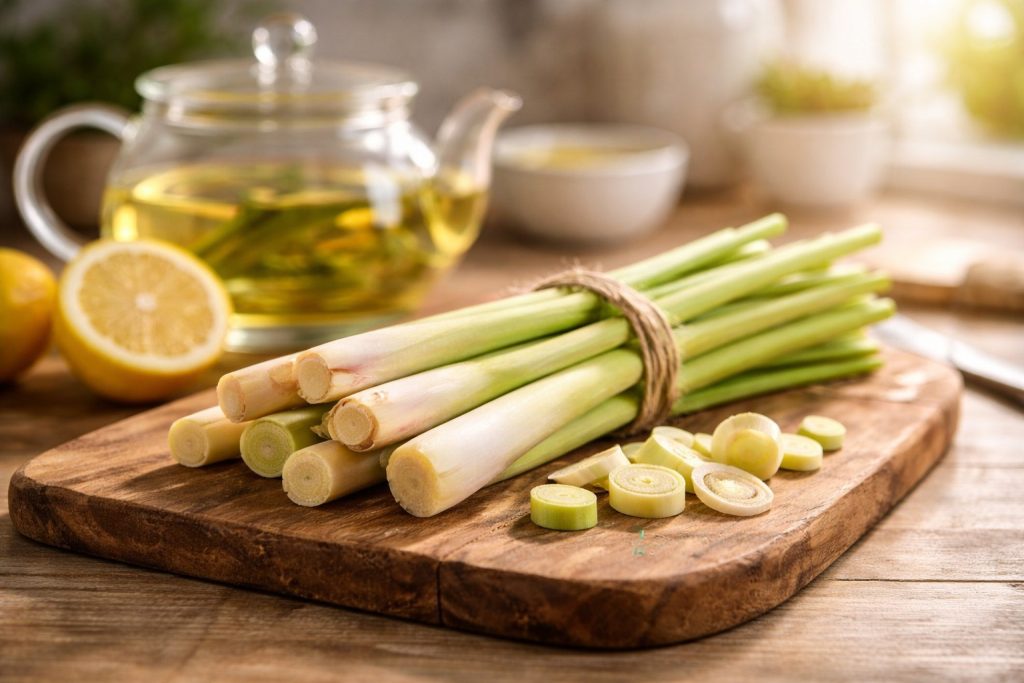
Lemongrass, known as Cymbopogon citratus, contains several active compounds:
- Citral
- Flavonoids
- Phenolic compounds
- Essential oils
Citral gives the plant its citrus scent. In lab tests, citral shows antioxidant and anti-inflammatory effects. Antioxidants protect cells from damage. That helps overall health. It does not directly cause fat to disappear.
This point matters. Many health claims blur this line.
Animal research sounds hopeful but stops short
Some studies test lemongrass extract on animals.
A 2015 study published in the Journal of Advanced Pharmaceutical Technology & Research tested lemongrass extract on rats. Researchers reported lower lipid markers. Cholesterol levels improved in those animals.
That result sounds promising. Yet rats do not share identical metabolism with humans. Study doses often exceed what people consume in tea.
Another study from 2011 in Food and Chemical Toxicology looked at citral and oxidative stress. Researchers observed lower stress markers in controlled lab settings. Lower oxidative stress can support metabolic health. It does not prove fat loss in real life.
Major health authorities have not confirmed strong fat-loss effects from lemongrass alone. That gap speaks loudly.
Human trials remain small and cautious
When studies shift to humans, the picture becomes less dramatic.
Some small trials include lemongrass within herbal blends. Participants often report improved digestion or reduced bloating. Clear body fat reduction rarely appears as a primary result.
A 2018 review in Phytotherapy Research examined herbal options linked to metabolic syndrome. Lemongrass appeared among several plants. Researchers concluded that human evidence remains limited.
That message repeats across many herbal reviews.
Public health institutions such as the National Institutes of Health note that many herbal extracts require larger human trials before strong weight loss claims can be made.
Safety deserves attention
Moderate intake of lemongrass tea is generally safe for most adults.
High-dose extracts require caution. Possible concerns include:
- Allergic reactions
- Lightheadedness in sensitive people
- Interaction with blood pressure medication
- Extra caution during pregnancy
The U.S. Food and Drug Administration lists lemongrass as generally recognized as safe when used as food flavoring. Supplements fall under a different regulatory system.
People with medical conditions should speak with a healthcare professional before using concentrated extracts.
When the Scale Drops but Fat Stays
Some people drink lemongrass tea and step on the scale the next morning. The number looks lower. They feel lighter. It is easy to think fat has gone.
In most cases, the body has lost water, not fat.
Lemongrass can act as a mild diuretic. It may reduce bloating. Extra water leaves the body. The scale reflects that change. Body fat does not shift overnight. A flatter look in the mirror can boost confidence. That visual change often comes from less water under the skin. Real fat loss takes time and steady habits.
Understanding this difference helps people avoid false hope and quick frustration.
A short drop on the scale often returns within a few days once fluid balance resets.
Blood sugar and fat storage
Insulin control plays a role in fat storage. Poor blood sugar control can increase fat gain.
Some animal studies from India and Brazil between 2010 and 2016 suggest lemongrass extract may improve glucose tolerance. These results remain early and limited to non-human research.
Human studies do not confirm strong blood sugar changes from lemongrass tea in healthy adults. The theory makes sense. Strong proof does not yet exist.
Inflammation and metabolism
Chronic inflammation can affect metabolic health. Excess body fat itself raises inflammation levels.
Citral shows anti-inflammatory action in laboratory studies. This effect may support overall balance in the body.
Support differs from transformation.
Sleep quality, stress control, and regular movement have stronger and clearer metabolic impact than any single herb.
Lemongrass inside supplement formulas
Many weight loss products list lemongrass as one ingredient. Some formulas combine lemongrass with other herbal extracts, such as those discussed in our detailed review of LypoSingrass for weight loss.
Labels often mention metabolism support. In most cases, caffeine or other stimulants drive the noticeable metabolic effect. Lemongrass plays a smaller role.
Dose also matters. Research often uses concentrated extracts. Commercial products may contain modest amounts. Without clear dose comparison, claims lose strength. Consumers should check labels carefully. Exact quantities matter more than bold wording.
How it compares to stronger metabolic herbs
Some natural substances show clearer metabolic activity.
Green tea contains caffeine and catechins. Research shows mild thermogenic effects.
Capsaicin from chili peppers can slightly raise calorie burn.
Caffeine alone increases metabolic rate for a short time.
Lemongrass does not contain strong stimulants. Its role appears softer and indirect. That does not make it harmful or useless. It simply means it does not act like a stimulant-based fat burner.
Big promises should raise questions
If lemongrass truly caused dramatic fat loss, medical organizations would highlight it. Doctors would recommend it widely. Clinical guidelines would include it.
That has not happened.
Lasting fat loss still depends on calorie balance, strength training, sleep, and stress control. Lemongrass may support routine, but it does not act as a primary fat-loss tool.
Structured exercise routines, such as simple home workouts to burn fat, often produce more reliable results than any single supplement.
What users often notice
People who drink lemongrass tea often report:
- Less bloating
- A calmer mood
- Better sleep on some nights
- Lower intake of sugary drinks
These effects can support weight control in indirect ways. Better sleep reduces cravings. Replacing soda with herbal tea lowers daily calories.
Pairing lower-calorie drinks with a structured plan like a 7-day smoothie weight loss diet can improve overall consistency.
Indirect support matters. Direct fat burn remains unproven.
Who Might Actually Benefit from Lemongrass Tea?
Lemongrass tea may help certain people in small but useful ways.
It may benefit:
- People who replace sugary drinks with herbal tea
- People who experience mild bloating after meals
- People who prefer a caffeine-free evening drink
- People who want a calming routine before sleep
These benefits support healthy habits. They do not create direct fat loss. Small daily choices often matter more than dramatic claims.
The research still needed
Clear answers require stronger human trials. Researchers would need to:
- Use standardized extract amounts
- Measure body fat, not only scale weight
- Track participants for several months
- Control diet and activity
Such studies remain limited.
Science takes time. Evidence grows slowly.
What the Evidence Actually Shows
Available research does not show strong proof that lemongrass alone reduces body fat in humans. Laboratory studies confirm antioxidant and anti-inflammatory activity. Animal studies suggest possible lipid improvement.
Human metabolism involves many systems. No single ingredient controls them all. Lemongrass can fit into a healthy routine. It can replace high-calorie drinks. It may support digestion and comfort.
Fat loss still depends on daily habits. Herbs stay in a secondary role.
You may also like: Juicing Recipes for Weight Loss with Daily Meal Plans and Grocery Lists