

Food allergies change more than meal choices. They shape family habits, emotions, and daily decisions. Many families do not expect how deep the impact can reach. A single allergy can affect shopping, school life, social events, and mental health. Over time, these changes become part of normal life.
Families often feel calm at first. They learn what foods to avoid and read labels with care. Problems appear later. Stress grows. Planning becomes harder. Small mistakes feel risky. Parents worry about safety. Children feel different from others. Siblings notice the extra attention given to one child. These effects grow slowly but stay strong.
This article explains the real effects of the food allergy on the family’s health and daily well-being. It focuses on physical health, emotional balance, and family life. It uses real-world examples that many families recognize. The goal is simple. Help families understand what happens and how life changes.
Food allergies do not define a family. Awareness helps families adjust with confidence. Clear facts help reduce fear. Honest discussion helps families feel less alone. This guide shares those insights in a calm and useful way.
When Food Allergies First Enter a Family’s Life
The first diagnosis often feels sudden. Many families feel shock, even when symptoms stay mild. Parents replay past meals in their mind. They wonder what caused the reaction. Fear rises because answers feel unclear.
Early days bring confusion. Families search labels without confidence. Relatives offer advice that may not help. Parents feel pressure to learn fast. Mistakes feel costly. This stage shapes how families respond long term.
Support during this phase matters. Clear guidance reduces panic. Calm routines help families regain control. Early understanding builds a safer path ahead.
How Food Allergies Affect Family Sleep and Rest
Food allergies do not rest at night. Parents stay alert after late meals. Small coughs raise concern. A child turning in bed can cause worry. Sleep breaks often and feels light.
Poor sleep affects the next day. Parents feel tired and less patient. Simple tasks feel harder. Children may sense stress even without words. Fatigue lowers focus at work and school. Morning routines feel rushed and heavy.
Some families change evening habits. They serve dinner earlier. They avoid snacks close to bedtime. Others create calm bedtime routines to reduce worry. These small changes help restore peace. Better rest supports clearer thinking and safer choices each day.
How Food Allergies Affect Physical Health at Home
Food allergies affect the body first. A reaction can cause skin rashes, stomach pain, breathing trouble, or swelling. Even mild reactions worry parents. Severe reactions bring fear and urgent action. Families learn to stay alert at all times.

Parents often change how food enters the home. Many stop buying common items. Some remove whole food groups. This shift can affect nutrition. Children may miss key nutrients if meals lack balance. Parents try hard to replace foods with safe options, but this takes time and learning.
Cooking habits also change. Families prepare more meals at home. Eating out feels risky. Kitchens become controlled spaces. Separate tools may appear. Labels matter more than taste. These changes protect health, but they also add pressure.
A mother once shared her daily routine. She cooked three versions of dinner. One safe plate for her child. One normal plate for others. One backup meal in case of doubt. This routine protected her child, but it drained her energy.
Food allergies can also cause visible skin reactions that add stress to daily care routines, especially when families try to manage comfort and safety at home.
Emotional Stress on Parents and Caregivers
Parents carry the biggest burden. They fear mistakes. They fear reactions. They fear trust. Every meal feels like a test. This stress affects sleep, mood, and focus. Over time, anxiety becomes part of daily life.
Parents often check labels again and again. They call schools. They ask relatives many questions. Some feel guilt even when no mistake happens. They feel responsible for every outcome.
One father described grocery shopping as mental work. He stood in aisles longer than others. He read small print under bright lights. He left stores tired, not relieved. These moments show how simple tasks become heavy.
Mental health matters. Constant alertness wears people down. Families need space to talk about stress without shame. Emotional care supports physical care.
Impact on Children With Food Allergies
Children with food allergies face unique challenges. They learn early that food can harm them. This knowledge shapes how they see the world. Some feel scared to eat outside the home. Others feel left out at parties or school events.
Social life changes fast. Birthday cakes, school snacks, and shared lunches create risk. Children may bring separate food. This can make them feel different. Over time, this feeling can hurt self-confidence.
One child refused party invites. He feared cross-contact. He stayed home instead. His parents felt sad, but they understood. This choice protected health but limited joy.
Children need support beyond safety. They need reassurance. They need inclusion. Families that talk openly help children feel strong, not fragile.
Teaching Children to Speak Up About Their Allergy
Children need a voice. Silence creates risk. Families should teach simple words to express needs. Clear language helps children feel prepared. Short phrases work best in real moments.
Practice builds confidence. Children learn when to say no without fear. They learn how to ask what food contains. They learn how to request help from adults. These skills grow through calm practice at home.
This skill protects health and dignity. Confident children feel safer outside the home. They trust their judgment. Self-trust grows with steady support and patience from family members.
How Food Allergies Affect Siblings
Siblings often live in the background. They adjust quietly. They avoid foods at home. They accept changes without complaint. Yet feelings build inside over time.
Some siblings feel overlooked. They notice extra focus on one child. They may feel limits placed on their own choices. These feelings matter and deserve care.
A teenage sister once said she missed peanut butter. She never ate it at home. She understood the reason. She still felt a sense of loss. Families must hear these voices without judgment.
Healthy families find balance. They allow safe spaces outside the home. They set time for each child. They talk about feelings without blame. This care protects sibling bonds and keeps trust strong.
Effects on Family Meals and Nutrition
Family meals bring people together. Food allergies change this bond. Menus shrink. Fear enters the kitchen. Some meals lose joy.
Parents often choose safe but limited foods. Over time, meals repeat. Children may resist new foods. Nutrition gaps can appear. Iron, protein, or vitamins may fall low.
Planning helps. Families that learn nutrition basics adapt better. They add safe foods with similar nutrients. They seek advice when unsure.
One family replaced dairy with fortified plant options. They learned labels. They tested recipes. Meals became enjoyable again. Knowledge made a difference.
Financial Pressure Caused by Food Allergies

Food allergies add hidden costs. Safe foods often cost more than regular options. Special brands reduce choice and raise bills. Families spend extra without clear warning. Grocery trips feel heavier with each visit.
Medical visits also add pressure. Regular checkups cost time and money. Travel requires careful planning and backup meals. Emergency supplies need regular replacement. These costs grow slowly but stay constant.
Budget stress affects mental health. Families worry about balance and future needs. Planning ahead helps reduce strain. Awareness helps families prepare without panic. Financial clarity supports calmer decisions.
Food Allergies and School Life Stress
School brings new risks. Parents trust others with their child’s safety. This trust causes stress and concern. Communication becomes key each school year.
Parents meet teachers and staff. They share safety plans. They explain symptoms and reactions. Some schools respond with care. Others lack training or clear systems. This gap worries families.
Children may feel awkward speaking up. They may fear being seen as difficult. Families must teach self-advocacy with kindness. Confidence grows with practice and reassurance.
One mother packed lunch daily for years. She felt safer that way. The task took effort each morning. Peace mattered more than convenience.
Social Events and Family Isolation
Food plays a big role in social life. Allergies limit this space. Families decline invites more often. They host events instead. Social circles may shrink over time.
Friends may not understand risk. Some forget rules. Some downplay danger. This creates tension and discomfort. Families may feel alone even in groups.
One couple stopped attending large gatherings. They chose small visits with trusted people. This choice protected health but changed friendships.
Education helps bridge gaps. When others understand allergies, trust grows. Awareness builds stronger and safer social ties.
The Role of Extended Family and Relatives
Relatives often want to help. Some do not understand risk fully. Small mistakes happen without intent. These moments create stress.
Families need calm talks. Clear food rules prevent confusion. Repetition helps learning. Education builds trust over time.
Support from relatives matters. When they learn and respect limits, families feel safer. Shared care strengthens family bonds and reduces daily pressure.
How Food Allergies Affect Family Mental Health
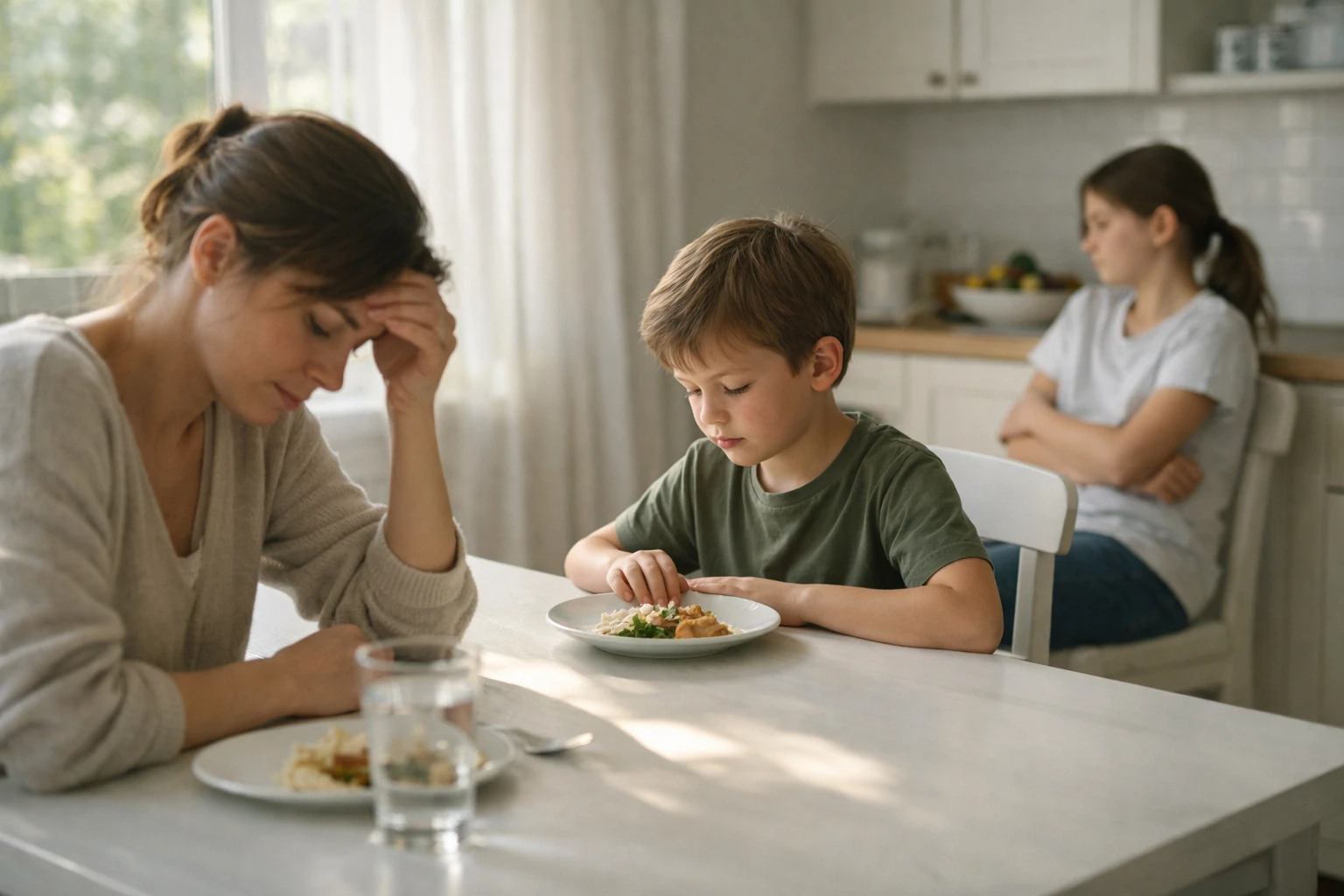
Mental health suffers under constant pressure. Anxiety, stress, and fear appear often. Parents feel tired and alert at the same time. Children feel cautious around food and social spaces. Siblings feel restricted in ways they may not express.
Long-term stress affects mood and patience. Small problems feel big during hard days. Family members may argue more than usual. This does not show failure or poor care. It shows strain that builds over time.
Support matters in these moments. Families benefit from sharing stories with others who understand. They learn they are not alone in this experience. This connection lifts weight from daily life and restores emotional balance.
Ongoing stress often comes from long-term health fears, as families worry about safety, future risks, and unclear medical information.
Long-Term Lifestyle Changes Families Face
Food allergies last for years in many cases. Families adapt routines without choice. Shopping habits change. Meal planning becomes part of daily thinking. Emergency tools stay close at all times.
Travel plans also change. Vacations require more thought. Families prepare food and research locations. Confidence grows with time, but alertness remains.
One family carried safe snacks everywhere. Airports, parks, and road trips felt easier with preparation. These habits brought freedom instead of fear.
Life adjusts, not ends. Families learn new rhythms that support safety and comfort.
Effects of Food Allergies on Family Travel Plans
Travel feels harder with food allergies. Airports pose risks with shared spaces. Restaurants feel uncertain without clear answers. Families pack food to stay safe and reduce stress.
Vacations require research before arrival. Hotels need clear communication about meals. Road trips need planned stops. These steps protect health but reduce ease and spontaneity.
Some families avoid travel at first. Others learn safe habits with time. Confidence grows through experience. Preparation brings freedom back into travel.
How Food Allergies Change Family Traditions
Food sits at the center of many traditions. Allergies force change without warning. Holiday meals shift. Old recipes disappear from tables.
These changes cause quiet sadness. Memories connect deeply to taste and smell. Families grieve small losses they rarely speak about.
New traditions can still bring joy. Safe recipes become favorites over time. Families create fresh memories that feel just as meaningful. Meaning matters more than menus.
Can Food Allergies Affect the Whole Family’s Health?
Food allergies affect the whole family’s health. Stress lowers immunity over time. Poor sleep affects focus and energy. Limited diets affect nutrition if care feels rushed. Emotional strain affects mood.
Families who manage stress well stay healthier. Open talks reduce tension. Balanced meals support energy. Shared responsibility lowers pressure on one person.
Health works as a system. When one part struggles, others feel it. Care for the whole family supports long-term wellness.
How Do Food Allergies Change Daily Family Life?
Daily life shifts in small but steady ways. Shopping takes longer than before. Cooking needs care and planning. Social plans need thought and backup options.
Over time, families grow skilled. They spot risks fast. They plan with ease. Daily life becomes smoother again with practice.
Awareness turns effort into habit. Habits create calm in busy days.
Do Food Allergies Affect Family Relationships?
Food allergies test relationships under pressure. Stress may cause tension during hard moments. Good communication reduces this risk and builds trust.
Families that talk openly stay strong. They share fears without blame. They share small wins together. They support each other during setbacks.
Love grows through teamwork and patience.
How Can Families Support Each Other Better?
Support starts at home with listening. Families should hear concerns without judgment. Shared duties reduce stress on one person. Small successes deserve notice.
Children need reassurance in daily moments. Siblings need attention and fairness. Parents need rest and understanding.
One family created weekly talks at home. They shared concerns calmly. They planned meals together. This habit built trust and comfort.
What Are the Most Common Emotional Effects on Families?

Fear often comes first. Stress follows close behind. Guilt appears when families question choices. Relief comes slowly with learning and experience.
Understanding emotions helps families cope better. Feelings do not show weakness. They show care and responsibility.
Awareness turns emotion into strength.
How Families Build Confidence Over Time
Confidence does not arrive fast. It grows with experience and patience. Families learn patterns and safe habits through daily life.
Mistakes teach lessons. Success builds trust. Fear fades slowly as knowledge grows.
Over time, families feel capable again. Food allergies stay present but lose control. Life regains balance and flow.
Simple Daily Habits That Make Life Easier
Small habits reduce stress each day. Label checks become routine. Meal plans save time and worry. Emergency kits stay ready.
Shared responsibility helps everyone. Children learn safe habits early. Parents feel less alone in daily care.
Consistency brings calm. Daily effort turns into comfort and confidence.
When Families Should Seek Extra Support
Some stress feels heavy and constant. Families may feel overwhelmed or drained. Support helps at these moments.
Support can come from counselors, community groups, or trusted advisors. Talking eases pressure and clears thoughts.
Seeking help shows strength. Families do not need to manage alone. Shared support restores balance and peace.
Emotional stress can also link to appearance concerns, especially when health conditions affect confidence and self-image over time.
A Healthier Family Life With Awareness and Care
Food allergies affect more than the body. They shape family health, emotions, and daily life in lasting ways. Parents carry concern each day. Children learn caution early. Siblings adjust their routines and choices. Stress, planning, and lifestyle changes become part of the family story.
Families face real challenges along this path. They also build strength through care and learning. Awareness replaces fear with confidence over time. Support within the home reduces pressure. Clear routines help restore balance and calm in daily life.
The effects of the food allergy on the family’s health and daily well-being remain real and ongoing. With knowledge, patience, and shared responsibility, families can live full and meaningful lives. Food allergies change paths, not purpose. Families adapt, grow stronger together, and protect what matters most.
Disclaimer: This article shares general information for awareness and education. It does not replace advice from a qualified health professional.