
Autism affects how a person processes the world and some people notice sounds more strongly. Some notice lights, textures, or busy places in a different way. Some people prefer routine, Some people need extra time to understand social cues. Autism is not a disease. It is a brain difference. Many autistic people live full lives with their own strengths, interests, and unique ways of thinking.
Families often search for ways to support everyday life. Many want better sleep and many want calmer days. Some want help with picky eating or digestion and Others want support for stress or sensory overload. These needs are real. They also deserve safe advice that respects autism and protects health.
This guide explains natural health support in a safe way and it does not promise a cure. It does not replace professional care. It focuses on daily support that can make life easier and you will learn practical steps for sleep, diet, stress, sensory comfort, and routines.
Autism and “natural health” means daily support
People use the phrase “natural health” in many ways and some mean nutrition and better routines. Some mean safer habits that support the body. Some mean supplements and The safest way to use natural health is simple, It means healthy support steps that reduce stress and improve daily life.
Natural support should never mean risky treatments. Autism does not need a cure. Autistic people need understanding, support, and safe tools. A better goal is quality of life. Better sleep can help mood and learning. A calmer routine can reduce meltdowns. A healthier diet can support energy and digestion.
Good natural health support should follow three rules:
It must be safe.
It must match the person’s needs.
It must work with medical and therapy plans, not against them.
A quick note about safety and respect
Many autistic adults say they felt pressured to “act normal.” That pressure can harm mental health. Support should never erase a person’s identity. Support should help them feel safe, steady, and understood.
Professional mental health support can help some families. See this local guide: Joseph White Mental Health Counselor Virginia: Booking, License Check, Fees, and More.
Also, every autistic person is different. One routine can help one person and annoy another and some people love deep pressure. Some hate it. Some people sleep best with white noise, Some sleep best with silence. So use this guide like a menu. Choose what fits.
The biggest daily goal: calm nervous system support
Autism often links with sensory sensitivity. The nervous system can shift to stress mode fast. When stress stays high, sleep gets worse. Appetite changes. Digestion slows. Emotions feel heavy. Many challenges connect to the same root: a nervous system that feels unsafe.
So the best natural approach starts here:
Help the body feel safe.
This means predictable routines, gentle sensory tools, and simple stress care.
Sleep support for autism (Most Important )
Sleep problems are common in autistic children and adults. A tired brain struggles more. Emotions feel stronger. Sensory sensitivity can increase. Learning feels harder. Families often say sleep issues affect the whole home.
Sleep support does not need extreme methods. Small changes can create big results.
Why autistic people struggle with sleep
Sleep problems can happen due to:
- sensory overload during the day
- anxiety or racing thoughts
- irregular melatonin rhythm
- screen time close to bedtime
- fear of the dark or separation anxiety
- digestive discomfort
- low physical activity
- noise sensitivity
Sleep can also break due to night waking. Some people wake at 2-3 AM and feel fully alert.
A bedtime routine that truly helps
Many autistic kids and adults struggle with sleep because the brain stays alert. The day can feel loud and stressful. The body may feel tired, but the mind still feels active. A strong bedtime routine can change that. It sends one clear message every night. Sleep time is close.

A routine also reduces stress. It removes surprises. It makes the night feel safe and predictable. That matters a lot for autism. When the steps stay the same, the brain stops “watching” for what comes next. It starts to relax earlier. That is the goal.
Start with a simple routine that lasts about 30 to 60 minutes. Keep it the same every night. Do not change the order unless needed. Even small changes can confuse the brain. You want the body to learn the pattern and follow it.
Here is a routine that works well for many families:
1) Quiet reset time
Turn off loud TV, games, and phone videos. Keep voices low. Let the house slow down.
2) Warm wash or bath
A warm bath or shower helps the muscles relax. It also helps the body cool down after. That cooling effect supports sleep.
3) Soft light only
Switch off bright ceiling lights. Use a small lamp with warm light. Bright light can keep the brain alert.
4) Teeth and pajamas
Keep this step quick and calm. Choose pajamas that feel soft and comfortable. Many autistic children dislike itchy fabric or tight seams.
5) Calm activity (10 minutes)
Pick one quiet activity. Use the same one daily. Options include:
- a short story
- soft music
- a quiet puzzle
- gentle bedtime chat
6) Comfort support
Use what makes the person feel safe and Some prefer a stuffed toy. Some prefer a blanket. Some prefer deep pressure. A weighted blanket can help some children and adults. Always use the correct weight and safe size.
7) Same bedtime phrase
Say the same short sentence every night. Keep it simple. Example:
“Good night. You are safe. I will see you in the morning.”
That last step seems small, but it matters. It becomes a “sleep cue.” The brain connects the words with rest.
A bedtime routine does not need to feel perfect. It must feel consistent. If you do it daily, the results often improve week after week.
My 7-Day Sleep Reset (Real Home Test)
I tested a simple sleep routine for 7 days in a real family setup. The goal was not perfection. The goal was fewer night wake-ups and a calmer bedtime.
The routine stayed the same each night: warm bath, dim lights, no screens, soft music, and the same bedtime phrase.
Results we noticed:
Bedtime felt calmer after day 3. Night wake-ups reduced by the end of the week. The biggest win was less stress during the last hour before bed.
Note: Results can differ for every child. This is not medical advice. Talk to your pediatrician if sleep problems continue.
You can Also Use: Sleep Quality Index Calculator
Light and screen control that helps fast
Light sends signals to the brain. It tells the body if it is day or night. When the room stays bright late at night, the brain can feel confused. The body may feel tired, but the mind stays alert. This is one reason sleep becomes difficult in many autistic children and adults.
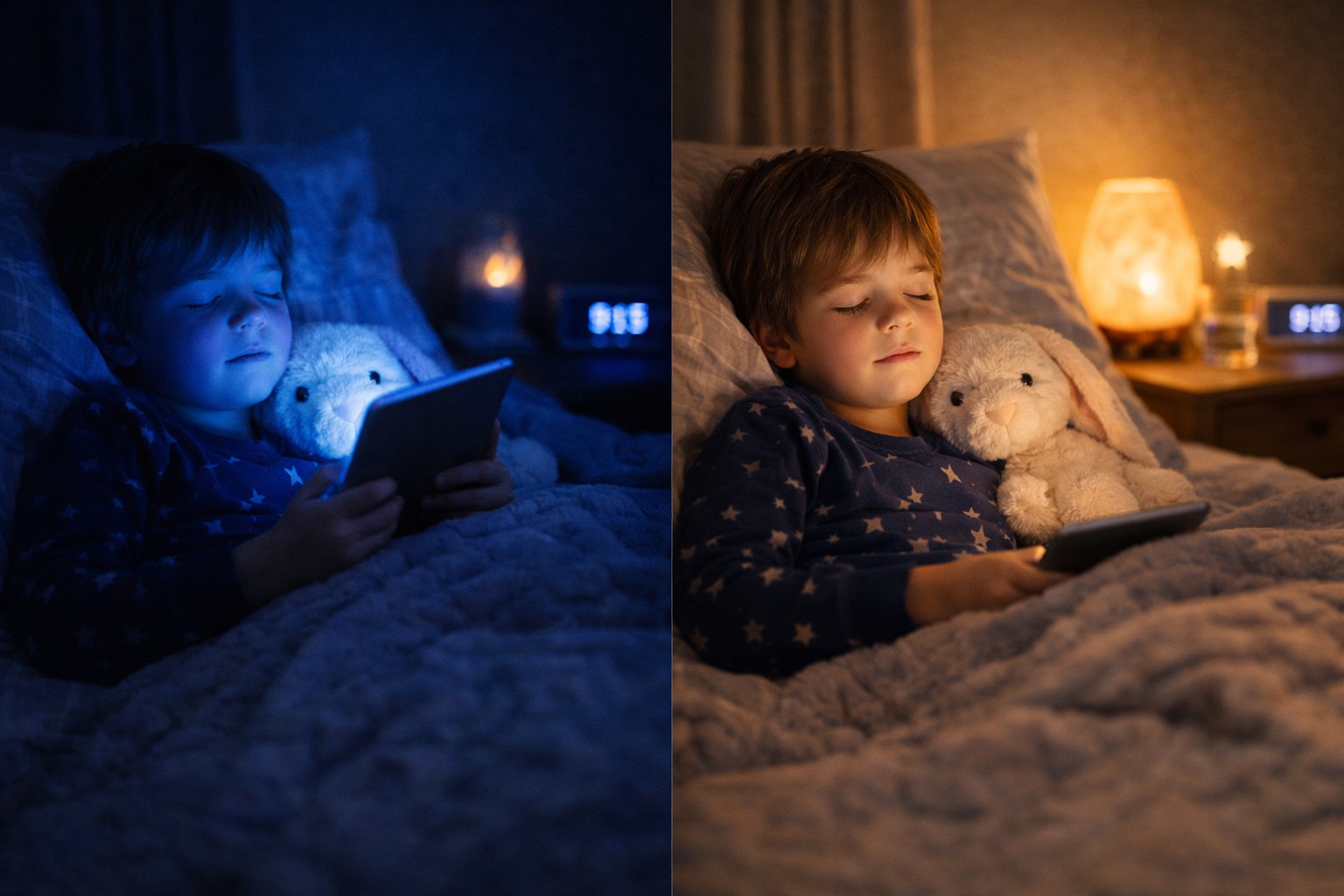
Screens create a bigger problem. Phones, tablets, and TVs give off blue light. Blue light can tell the brain to stay awake. It can also reduce natural sleep hormone release. Many kids also feel more active after videos or games. Even calm videos can still keep the brain “switched on.”
The best fix is simple. Make nights darker and quieter. Make screens stop earlier.
Here are steps that work well in real homes:
Turn screens off early
Stop screens at least 60 minutes before bed. Some families do better with 90 minutes. If a child loves screen time, start small. Reduce 10 minutes every few nights until you reach your goal.
Use warm light at night
Change bright white bulbs to warm bulbs. Use lamps instead of ceiling lights. A warm lamp makes the room feel calmer. It also reduces eye stress.
Keep a “dim hour” before bed
Use low light in the last hour. This helps the brain slow down. It also supports melatonin.
Block early morning light
Some kids wake up at sunrise. Blackout curtains can help the room stay dark longer. This is helpful for early waking.
Night light if dark causes fear
Some children fear total darkness. Use a soft night light with a warm tone. Avoid bright blue or white lights. Place it low in the room, not close to the face.
If screens must stay, make them safer
Some kids need a screen to relax. Try to reduce harm instead of fighting. Use these steps:
- set brightness to low
- turn on night mode
- keep volume low
- avoid fast videos, loud cartoons, or action games
- choose slow, simple content
This plan reduces stress. It also improves sleep quality over time.
Sensory comfort that makes sleep easier
Many autistic people feel sleep problems due to sensory discomfort. A normal bedroom can feel “too much.” The fabric can itch. A tag can feel painful. A small noise can feel loud. A flashing light can feel annoying. The brain stays alert because the body does not feel safe.
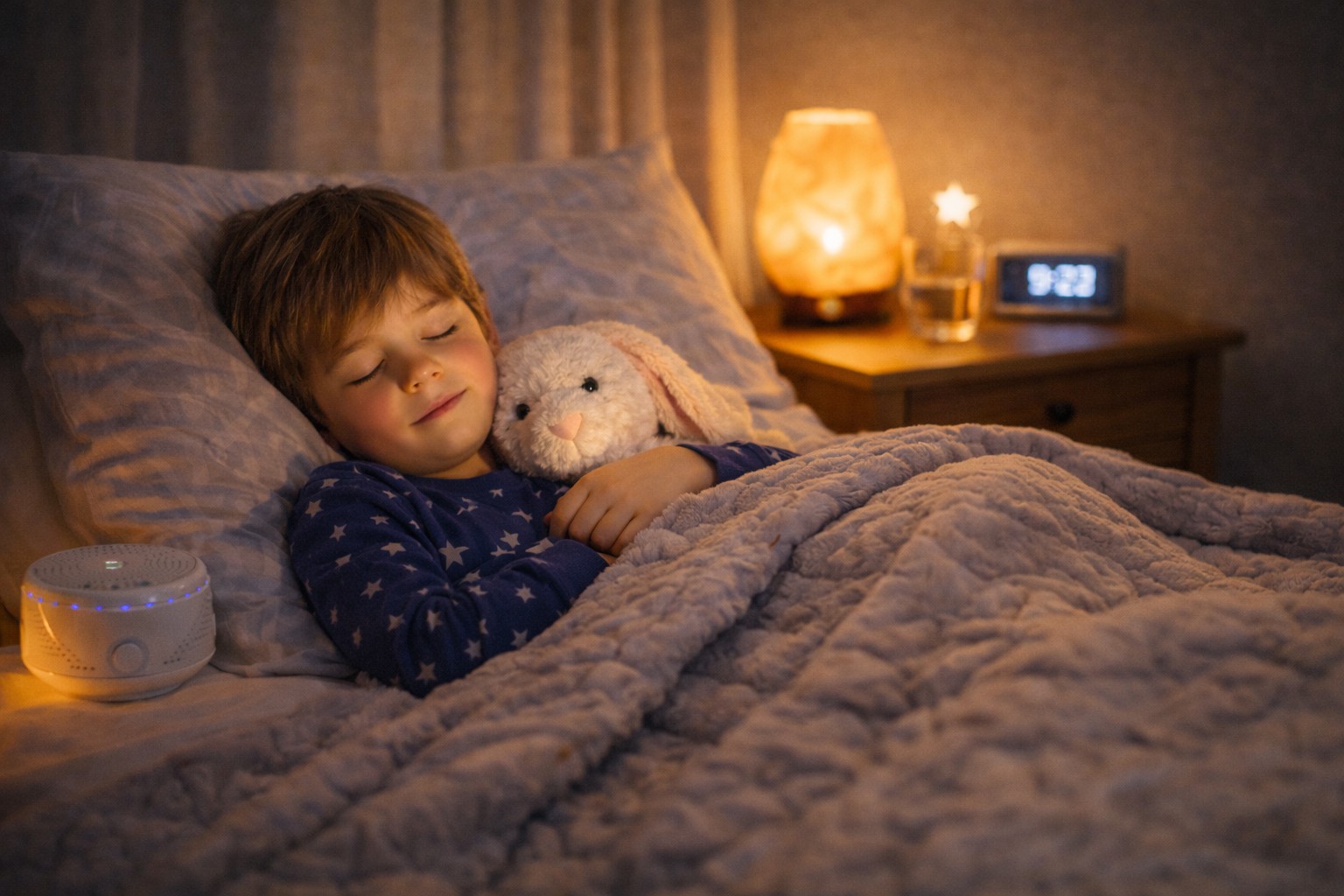
A good sleep space should feel calm and gentle. It should feel like a safe zone. You do not need a fancy setup. Small changes can make a big difference.
Here are natural tools that often help:
Reduce noise
Noise can break sleep even when a child does not speak about it. Try:
- a white noise machine
- a fan sound
- soft rain sound at low volume
These sounds cover small random noises like cars, neighbors, or house creaks.
Use soft and simple bedding
Choose bedding that feels smooth. Cotton works well for most people. Avoid rough fabric. Avoid heavy itchy blankets unless deep pressure helps.
Pick pajamas with comfort first
Some kids hate seams and tags. Choose seamless or soft sleepwear. Remove tags if needed. Comfort can matter more than style.
Try deep pressure tools (if liked)
Some children sleep better with pressure. Options include:
- heavy blanket (not too thick)
- body pillow
- weighted lap pad before sleep
- firm hug if welcome
Deep pressure can help the body feel secure. It can reduce night movement and stress.
Weighted blanket safety reminder
Weighted blankets help many people. Still, safety matters.
- Do not use heavy weight for small children
- Choose safe weight based on body size
- Make sure the child can move it off easily
- Ask a doctor or therapist if unsure
Control light triggers
Some rooms have tiny light sources. A small LED can feel too bright at night. Cover blinking lights from chargers or devices. Use blackout curtains if street light enters the room.
Set a comfort corner in the room
Some kids relax better before bed if they sit in a safe corner first. Add a pillow, soft blanket, and one calm toy. This helps the body settle before sleep starts.
A calm sleep space supports the whole routine. It also helps the brain feel safe. That safety leads to better rest.
If you want safe sleep comfort items like white noise tools, weighted blankets, or calming supports, you can check our HealthWavy Shop here.
Food and sleep: what to avoid at night
Food can make sleep better or worse and Some foods keep the brain active. Some foods upset the stomach, Some foods raise blood sugar fast, then crash it. That crash can wake a child at night or cause restless sleep.
Try to keep dinner light and simple. Avoid heavy and spicy meals near bedtime. A calm stomach helps the body rest.
These foods often harm sleep at night:
- Chocolate (it can contain caffeine)
- Soda and soft drinks
- Energy drinks
- Spicy food late at night
- Very oily or fried meals
- Large meals too close to bedtime
- High sugar snacks before sleep (cookies, candy, ice cream)
Sugar can seem calming at first. After that, the body becomes more alert. Some kids also wake up hungry after a sugar crash.
If hunger shows up before bed, give a small snack that feels safe and light. A snack should calm the body, not excite it.
Good night snack options include:
- banana
- plain yogurt (if dairy works)
- warm milk (if tolerated)
- oatmeal (small bowl)
- toast with a little nut butter (if safe)
Keep the snack small. A full stomach can keep sleep away.
Is melatonin safe for autistic children?
Many parents ask about melatonin because sleep issues are common in autism. Melatonin is a hormone the body already makes. It helps the brain understand day and night. Some children do not produce enough at the right time. Some children have a delayed sleep rhythm.
Research shows melatonin can help some autistic children fall asleep faster. It can also reduce night waking in some cases. Still, melatonin does not work for everyone. Some children still wake up early. Some children feel groggy the next day.
Melatonin is often safe in low doses, but a doctor should guide the decision. A pediatrician can help choose the safest plan based on age and health needs.
Possible side effects can include:
- morning sleepiness
- headaches
- vivid dreams
- mood changes in some children
Do not increase dose without medical advice. Higher dose does not always mean better sleep.
Many natural steps can support sleep before melatonin becomes a daily habit:
- same bedtime and wake time daily
- sunlight exposure in the morning
- active play in the day
- no screens before bed
- calm bedtime routine
- quiet and dim sleep space
If a child uses melatonin daily, review it with a doctor every few months. Sleep needs can change with time and growth.
Diet and nutrition support for autism
Food challenges are very common in autism. Many autistic children eat only a few foods and some avoid new foods. Some refuse foods due to texture. Some dislike food smells, Some feel stress at meals. This is not poor behavior. Sensory sensitivity often causes it.
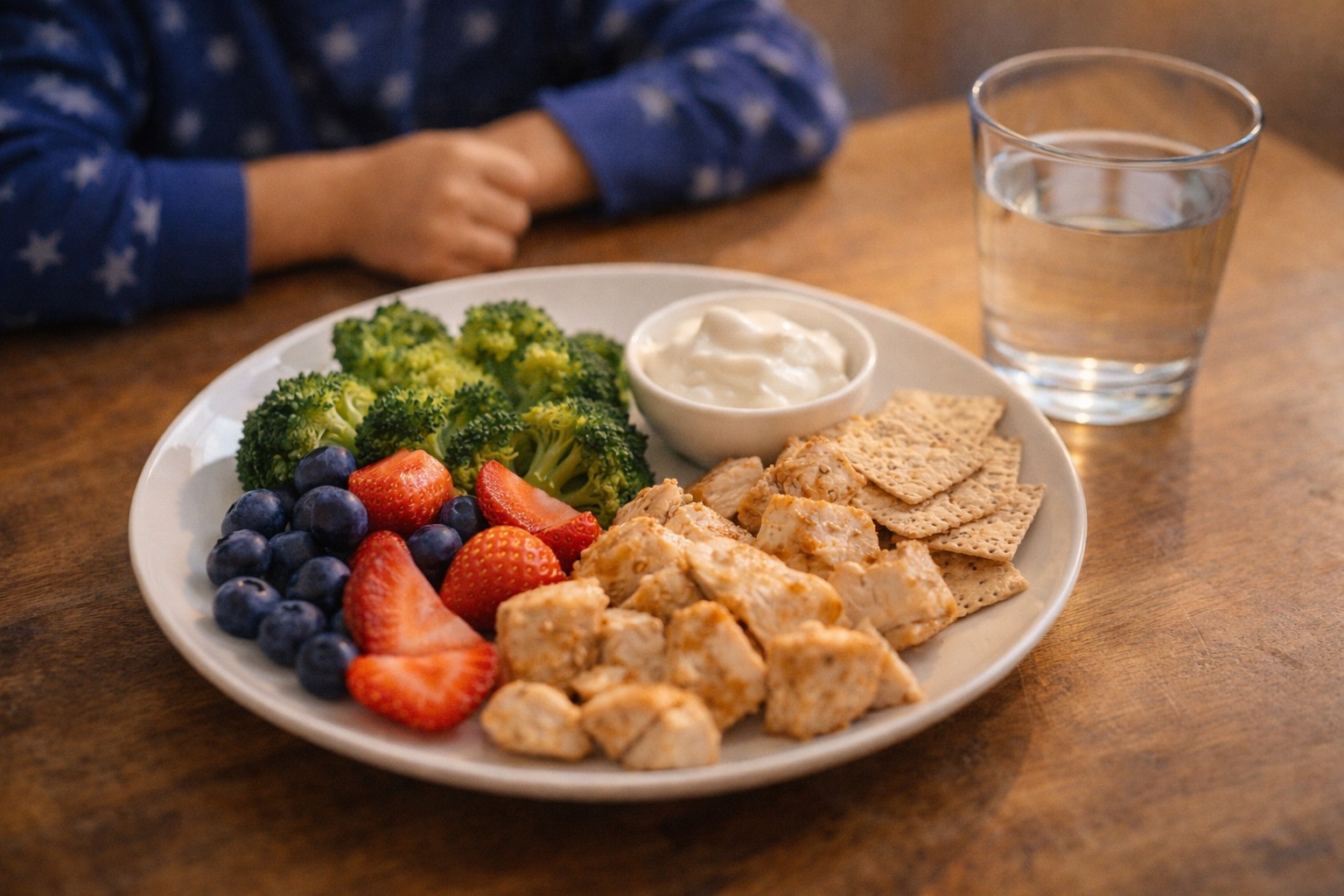
Nutrition still matters. The brain needs steady fuel to stay calm and focused. When meals lack balance, mood and energy can become unstable. Sleep can also get worse.
Poor nutrition can lead to problems such as:
- low energy
- irritability
- constipation
- stomach pain
- sleep issues
- low focus
The main goal is not a perfect diet. The goal is progress. Small steps work better than pressure. A child learns faster in a calm environment.
Simple diet goals that help many families:
Add protein daily
Protein supports stable energy. Use eggs, chicken, fish, yogurt, beans, or lentils based on preference.
Reduce sugar spikes
High sugar snacks can trigger mood shifts. Use fruit or healthy snacks instead.
Support gut comfort
Constipation can affect behavior and sleep. Add water and fiber slowly. Use fruits, oats, or chia seeds if tolerated.
Respect sensory needs
Some kids need routine foods to feel safe. Keep safe foods on the plate. Add one small “practice food” next to it. Do not force it.
You do not need big changes in one day. One small change each week can build a stronger routine.
Gentle picky eating support that works
Many autistic children eat in a very selective way and some avoid certain textures. Some dislike smells. Some feel stressed if food looks “different.” This does not mean the child is stubborn, It often means the child feels unsafe with the food experience.
Pressure usually makes it worse. When a child feels forced, the body shifts into stress mode. Appetite drops. The child may refuse even favorite foods. Food also becomes a daily fight. That stress can harm sleep and behavior.
A gentle plan works better. The goal is safety first. The child needs to feel control at the table.
Here are simple steps that help:
Add only one new food at a time.
Choose one small food change per week. Too many changes confuse the child.
Let the child touch and smell food first.
A child can learn food without eating it. Touch and smell counts as progress.
Keep new foods near safe foods.
Place a tiny amount of the new food on the plate. Keep safe foods in normal portions.
Use a “tiny taste” goal.
A tiny bite is enough. Even a lick can be a step forward.
Praise effort, not results.
Say “Good job trying” even if the child stops after one bite.
A simple family rule can protect peace at meals:
“No pressure bites.”
Many children need repeated exposure before they accept a new food. Some need 10 tries. Some need 20. Patience wins more than force.
Best foods that support steady energy
Food can affect mood and focus. Some children feel calm with balanced meals. Some children become restless after sugar or fast snacks. A steady diet supports steady energy. It also supports sleep and digestion.
A balanced plate does not need to look perfect. It needs stable fuel.
A helpful plate includes:
Protein
Protein keeps energy stable. It can reduce mood swings caused by blood sugar crashes.
Good options include eggs, chicken, fish, turkey, lentils, beans, and yogurt.
Healthy fats
Fats support brain health and help the child feel full.
Use olive oil, avocado, peanut butter, almonds, and walnuts if safe.
Fiber carbs
Fiber supports digestion and supports steady energy.
Use oats, brown rice, fruits, sweet potato, and vegetables.
Water
Dehydration can increase irritability. Many kids forget to drink water. Keep water easy to reach.
Breakfast matters a lot. A breakfast with protein often improves the day. Many families notice better focus when the child eats eggs, yogurt, or nut butter early.
Gut health, constipation, and digestion issues
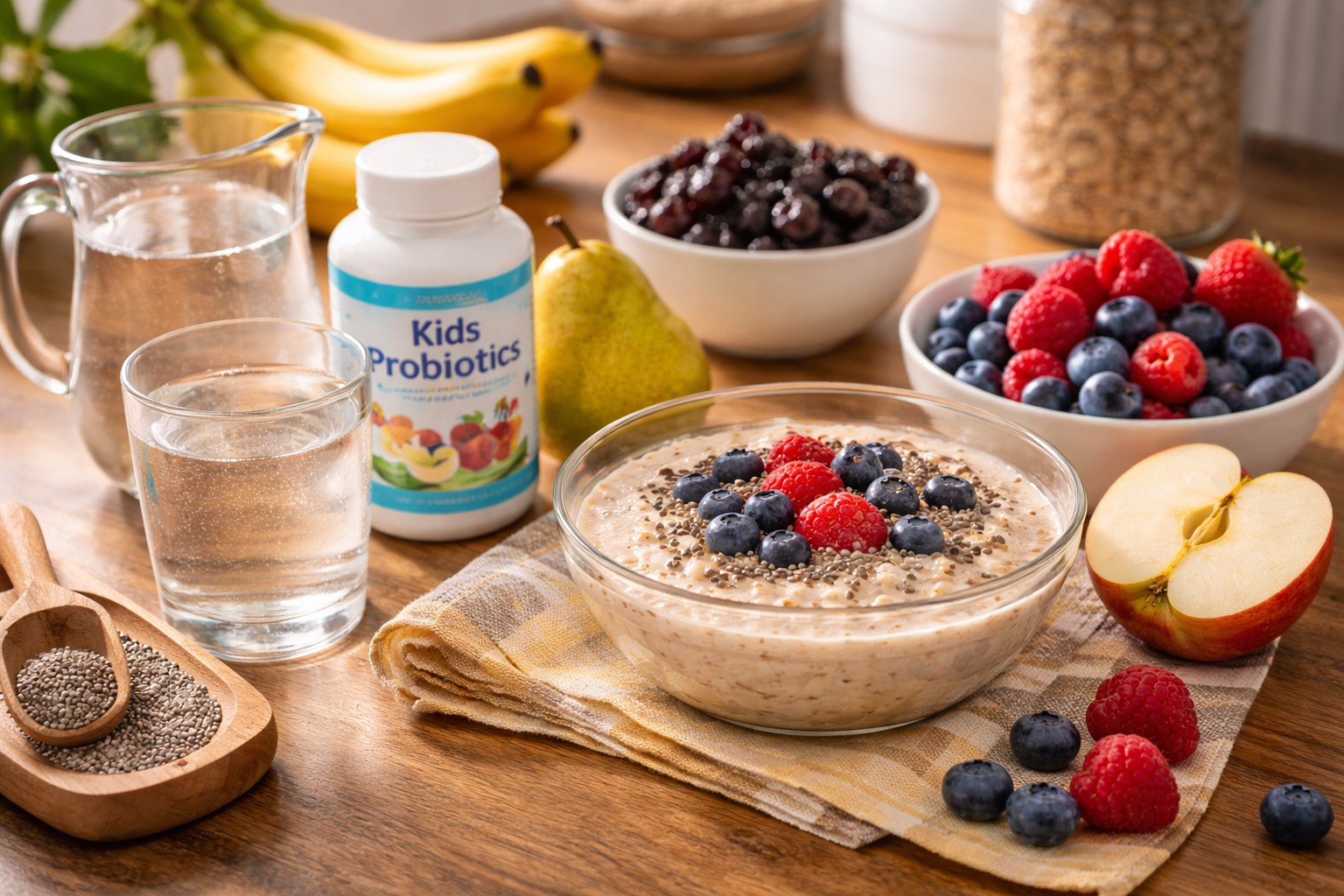
Many autistic children deal with constipation. It can cause real pain. It can also affect mood and sleep and a child may cry more. A child may avoid food. A child may seem “angry” without clear reason, Constipation can sit in the background and drive behavior.
Constipation can lead to:
- belly pain
- poor sleep
- irritability
- reduced appetite
- behavior shifts
Common signs include:
- hard stool
- pain during bathroom time
- belly swelling
- stool accidents
- long gaps between stools
Natural support can help, but do it slowly.
Helpful steps:
- increase water daily
- increase fiber slowly (fast increase can cause gas)
- add pears, prunes, berries, apples
- add oats or chia seeds if tolerated
- add daily movement (walk, stairs, trampoline play)
Speak with a doctor if constipation happens often. A child should not suffer quietly. A doctor can rule out medical causes and can guide safe treatment.
Does gluten or dairy cause autism?
Gluten and dairy do not cause autism. Autism starts due to brain development differences. Food does not create autism.
Some autistic people have food sensitivity. Some people feel better with less gluten or dairy. This does not mean gluten or dairy “creates symptoms.” It means the body may react due to intolerance or allergy.
Food allergies can also affect sleep, stress, and meal routines in the whole home. Read our guide on Effects of the Food Allergy on the Family’s Health and Daily Well-Being to understand the signs and daily support steps.
A safe food test can help if you suspect sensitivity. Do it the right way.
Use this plan:
- speak with a doctor or dietitian first
- remove only one food group at a time
- track stool, sleep, mood, energy, and skin
- avoid extreme restriction
- protect growth and calories
Never remove major food groups without a plan. Children need nutrients to grow.
Does diet improve autism?
Diet supports health. It can support digestion, sleep, and mood. It can support energy and focus. Diet can also reduce discomfort from constipation or food sensitivity.
Diet does not remove autism. Autism is not a virus. It is not a toxin. It is not caused by food.
The safe truth is simple:
A healthy diet can help autistic people feel better day to day. It supports the body. It supports the brain. That is the goal.
Stress support and emotional regulation
Stress can rise fast in autism. The nervous system can react strongly to noise, lights, crowds, or sudden changes. Anxiety can also exist. Some children feel fear but cannot explain it with words. Stress may show through behavior instead.
A stressed child may react with:
- shutdown
- meltdown
- avoidance
- crying
- anger
- pacing
- repetitive movement (stimming)
Stimming often helps self-calm. It can be healthy. The goal is not to stop it. The goal is safety.
Natural support focuses on lowering stress before it becomes too much.
Daily calm tools that help in real life
Calm tools work best when you use them early. Do not wait until a meltdown starts. A child needs support before the stress peak.
Helpful tools include:
- deep pressure hug (only if welcome)
- weighted lap pad during quiet time
- slow breathing for 20–60 seconds
- sensory swing time
- quiet corner with pillows
- fidget tool
- chewy necklace (safe type only)
- nature walk
Some children calm with movement. Some calm with stillness. Try one tool at a time. Keep what works.
A calm kit can also help outside home:
- headphones
- chewy tool
- fidget
- snack
- water bottle
- comfort item
Predictability reduces anxiety
Many autistic children fear sudden change. A simple routine makes life easier. Predictability reduces stress. It builds trust. It also improves behavior at school and home.
Tools that help:
- visual schedule with pictures
- countdown warnings (“10 minutes left” then “5 minutes left”)
- same morning steps daily
- same leaving-home checklist
- same bedtime routine nightly
Predictability does not mean strict control. It means the child knows what comes next.
How can I calm an autistic child naturally?
The best calm support starts early. Use fewer words. Lower sensory pressure. Focus on safety.
Try this step plan:
- lower noise and lights
- reduce talking
- offer water
- offer deep pressure tools if liked
- move to a quiet area
- use calm voice and short words
- let safe stimming happen
Avoid these actions:
- shouting
- fast questions
- forced eye contact
- punishment during overload
A meltdown is not a tantrum. It often happens when the nervous system feels overwhelmed. Calm support helps the child return to safety.
Sensory support in daily life
Sensory overload can happen in common places. Stores can feel painful. Bright lights can feel sharp. Clothes can feel itchy. Loud voices can feel too strong. These sensory issues are real.
Support tools can prevent overload. They also reduce daily stress.
Sensory-friendly home setup
Small home changes can help a lot:
- use soft warm lighting, not harsh LEDs
- reduce noise with rugs and curtains
- keep calm colors in main spaces
- reduce clutter in key areas
- set a sensory corner
A sensory corner can include:
- pillow
- blanket
- headphones
- fidgets
- toy or book
- calm picture cards
This gives the child a safe place to reset.
Outdoor time and nature support
Nature supports mental health. It also supports better sleep. It can reduce stress and improve mood. Even short daily outdoor time helps.
Try:
- short walk after school
- quiet park time
- simple garden work
- ball play in open space
- barefoot time on grass if safe
Morning sunlight also helps sleep rhythm. It tells the brain the day has started. That makes bedtime easier at night.
Safe supplements: what you can consider (with caution)
Supplements feel “natural,” but they still act like medicine in the body. So safety matters.
Always talk with a pediatrician or doctor first, especially if the child takes medication.
Common supplements people ask about:
Omega-3
Some research suggests omega-3 may support brain health. It may support attention and mood in some cases.
Food sources:
- salmon
- sardines
- walnuts
- flaxseed
Vitamin D
Low vitamin D is common in many people. A doctor can test it. Correcting deficiency can help energy and mood.
Magnesium
Magnesium may support sleep and muscle relaxation. It can also help constipation in some cases. Still, dose matters.
What natural supplements help autism?
Many parents search for supplements because daily life feels hard. Sleep issues can drain the whole family. Some kids feel anxious often. Some struggle with constipation or stomach pain. In these situations, supplements can feel like an easy answer.

Still, it is important to stay realistic.
No supplement can treat autism. Autism is not a disease. It is a brain difference. Supplements can only support certain needs, like sleep comfort, calm mood, or digestion. Even then, results can vary from person to person.
The safest supplement plan starts with one key step: test first.
Many children take supplements without knowing if they need them. This can waste money and can cause side effects.
A doctor can test common deficiencies such as:
- vitamin D
- iron
- B12
- zinc (in some cases)
When a child has a real deficiency, fixing it can help energy, focus, and sleep. That does not “change autism.” It supports the body in a safe way.
Here are supplements families often ask about (only as support, not treatment):
Omega-3 (fish oil)
Omega-3 supports brain health. Some studies suggest it may support mood or attention in some children. It may help some kids with irritability. It does not help everyone.
Vitamin D
Many children have low vitamin D, especially in winter or with low sunlight exposure. A doctor can test it. Correct dose matters.
Magnesium
Magnesium may support sleep and muscle relaxation in some children. Some parents also notice calmer evenings. Dose must stay safe. Too much can cause loose stool.
Probiotics
Some children have gut discomfort. Probiotics may support gut balance in some cases. Choose reputable brands. Watch for stomach gas at first.
A safe supplement plan should follow these rules:
- test deficiencies first
- start one supplement at a time
- avoid high mega doses
- choose reputable brands only
- track changes for 4 to 8 weeks
- stop if side effects start
- speak to a doctor before combining with medication
Avoid any product that claims “autism cure.” That claim is unsafe and dishonest.
Red flags: unsafe “natural” autism treatments
Some internet trends can harm children and Some claims use fear to sell products. Some programs promise a “recovery” story, These claims can push parents into risky choices.
This section is important because unsafe treatments still spread online.
A safe plan should never hurt the body. It should never force suffering and it should never take away normal nutrition. It should never claim “detox autism.”
Avoid these dangerous approaches:
Bleach or MMS products
Some people promote MMS as a detox solution. This is extremely dangerous. It can burn the throat and gut. It can cause vomiting, dehydration, and serious harm.
Detox programs
Many detox plans have no proof. Some use harsh laxatives or strong herbs. These can harm digestion and hydration.
Chelation therapy without real medical need
Chelation is a serious medical treatment used for heavy metal poisoning and it is not a safe autism treatment. It can lead to dangerous side effects, It should not be used unless a doctor confirms heavy metal poisoning.
Parasite cleanse kits
Many parasite kits are marketing scams. They can irritate the gut. They can also cause stomach cramps and diarrhea.
Heavy metal “cure” claims without proper testing
Some people blame autism on metals without proof. Do not trust random online testing kits. Use real medical testing if a doctor sees a reason.
Extreme restrictive diets that cause weight loss
Some children already eat very few foods. Removing more foods can lead to weight loss, nutrient deficiency, and weak growth. This can damage health long-term.
A safe natural plan protects a child’s health first. If a plan scares you, hurts the child, or feels extreme, step back. Speak with a pediatrician.
Families who need professional mental health support can also check this guide: Complete Breakdown of Thormala Truesdale MD St Mary Mental Health Practice in 2026.
Daily support plan (simple routine that helps)
Many families want a simple plan they can follow daily. A stable routine makes life easier and It reduces anxiety. It supports better sleep, It also supports better behavior.
This daily routine is realistic and safe. It works for many families because it supports the nervous system and the body.
Morning routine
Start the day in a calm way. Avoid loud stress first thing.
- sunlight exposure 10 to 15 minutes
- protein breakfast
- water intake
- simple schedule reminder (visual chart works well)
Sunlight in the morning supports sleep rhythm later at night. A protein breakfast supports steady energy and reduces sugar crashes.
Midday routine
Midday support prevents overload.
- movement break (walk, stairs, trampoline play)
- sensory support item in school bag (headphones, fidget)
- steady lunch (protein + fiber)
- water reminder
Movement helps reset stress. Sensory tools reduce overload in busy places.
Afternoon routine
After school time matters a lot. Many kids feel tired and overstimulated at this point.
- calm transition after school
- no heavy demands for first 20 minutes
- snack that avoids sugar crash
- simple outdoor time if possible
A child often needs reset time before homework or chores. A calm snack and quiet break can prevent meltdowns.
Evening routine
Evenings should feel low-pressure.
- low stimulation after dinner
- warm bath or shower
- screen cut 60 minutes before bed
- consistent bedtime routine
This pattern builds a strong sleep habit over time.
A stable rhythm supports the body. It also reduces uncertainty. That alone can reduce stress in autism.
Daily Support Checklist (Save This)
Use this checklist to support sleep, mood, and daily comfort. Try it for 7 days. Keep only the steps that work for your child.
Tip: If 1 step feels hard, skip it. Consistency matters more than perfection.
Natural health means safe, daily support
Autism is part of how a person experiences the world. It is not something that needs to be fixed. Still, daily life can feel hard for many families. Sleep issues can drain energy. Picky eating can create stress. Sensory overload can lead to meltdowns. Anxiety can affect school and family life.
Natural health support can help when it stays safe and realistic. The best support comes from simple steps done every day. Sleep routines support better nights. Balanced meals support energy and digestion. Sensory tools reduce overload. Calm strategies help emotional regulation.
Supplements can support some children, but they are not a cure. The safest plan starts with medical testing and careful choices. Avoid unsafe treatments that promise miracle results. A plan should never harm the body.
The best natural support respects the autistic person. It protects safety and dignity. It works with doctors and therapists, not against them. When you stay patient and consistent, daily life often becomes calmer. Better days and better nights become possible.
This article shares general wellness information only. It does not replace medical advice. Speak with a doctor or licensed specialist before making changes to sleep routines, diet, or supplements.