


Last Updated: 12 April 2026
A Clean Start to Healthy Weight Loss
Most weight loss plans feel too hard. Some remove full meals. Some make you count every bite. Some leave you hungry and tired. These plans often fail because they push too much too fast. Juicing gives your body a softer, safer way. It does not strip your plate. It adds value to it. Each glass supports your body with water, vitamins, and natural strength. You feel light but not weak. You stay full but not bloated.
This plan does not cut meals. It blends juice with real food. Your energy stays high. Your cravings stay low. You enjoy what you drink and eat. That makes it easier to follow. In this full guide, you will find fat-cutting juice recipes. You will see full meal plans that match each juice. You will get a smart shopping list. You will also read simple answers to questions that real people ask. Every part leads to one goal-steady, safe weight loss without stress.
What Juicing Means in Real Life
Juicing means using a machine to turn fruits and vegetables into liquid. You keep the juice. You remove the pulp. The result is a drink full of taste and color. Some people drink only juice for days. That is not smart. Your body needs more than liquid. This guide keeps balance. You will use juice to support meals, not replace them. Juice works well when you need a light snack or a clean start to your day. It fills your stomach. It gives quick energy. It brings vitamins to your system. Many people feel less bloated. Others sleep better. Some notice clear skin and fewer cravings.
Why Juicing Helps Weight Loss
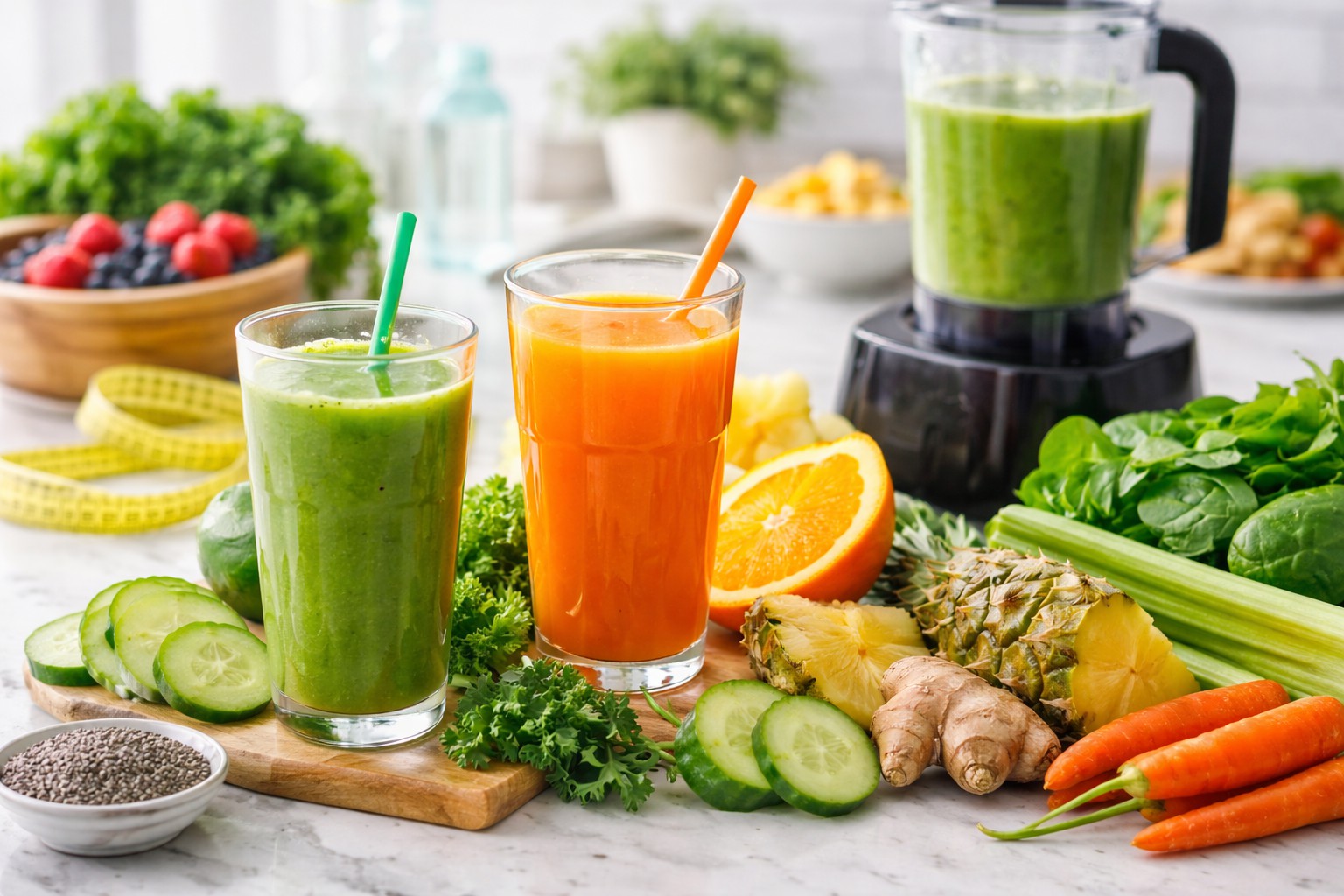
Juicing helps reduce fat in several ways. First, it removes junk. When you drink juice, you avoid fried snacks and sugary drinks. That step alone can help your body shed weight. Second, juice fills you without heavy calories. You eat less without feeling starved. Third, juice boosts digestion. Some blends also fight water retention. That can make your belly look flatter. Juice gives results when used with real food. It is not a magic drink. It supports better habits. That makes it a smart tool, not a shortcut.
To support your daily wellness and fitness habits beyond juicing, check out our Insoya Health Guide packed with tips and real impact.
Is Juicing Safe?
Juicing is safe when used the right way. Your body needs more than juice. It needs solid meals with fat, protein, and fiber. A glass of juice can help, but it should not replace food for long. You can drink juice in the morning or between meals. It works best when paired with real food. This mix keeps you full and strong. It supports slow and steady weight loss.
Some people should take extra care. That includes those with diabetes, heart issues, or low blood pressure. If you take daily medicine, speak with your doctor first. Your health comes first. Juice can support your goals. It should not lead your diet. Use it with balance. Let it serve your body, not control it.
Some weight loss supplements promote natural fat burning. This guide on LypoSingrass benefits explains how the formula works and what risks may exist.
What to Avoid When Juicing for Fat Loss
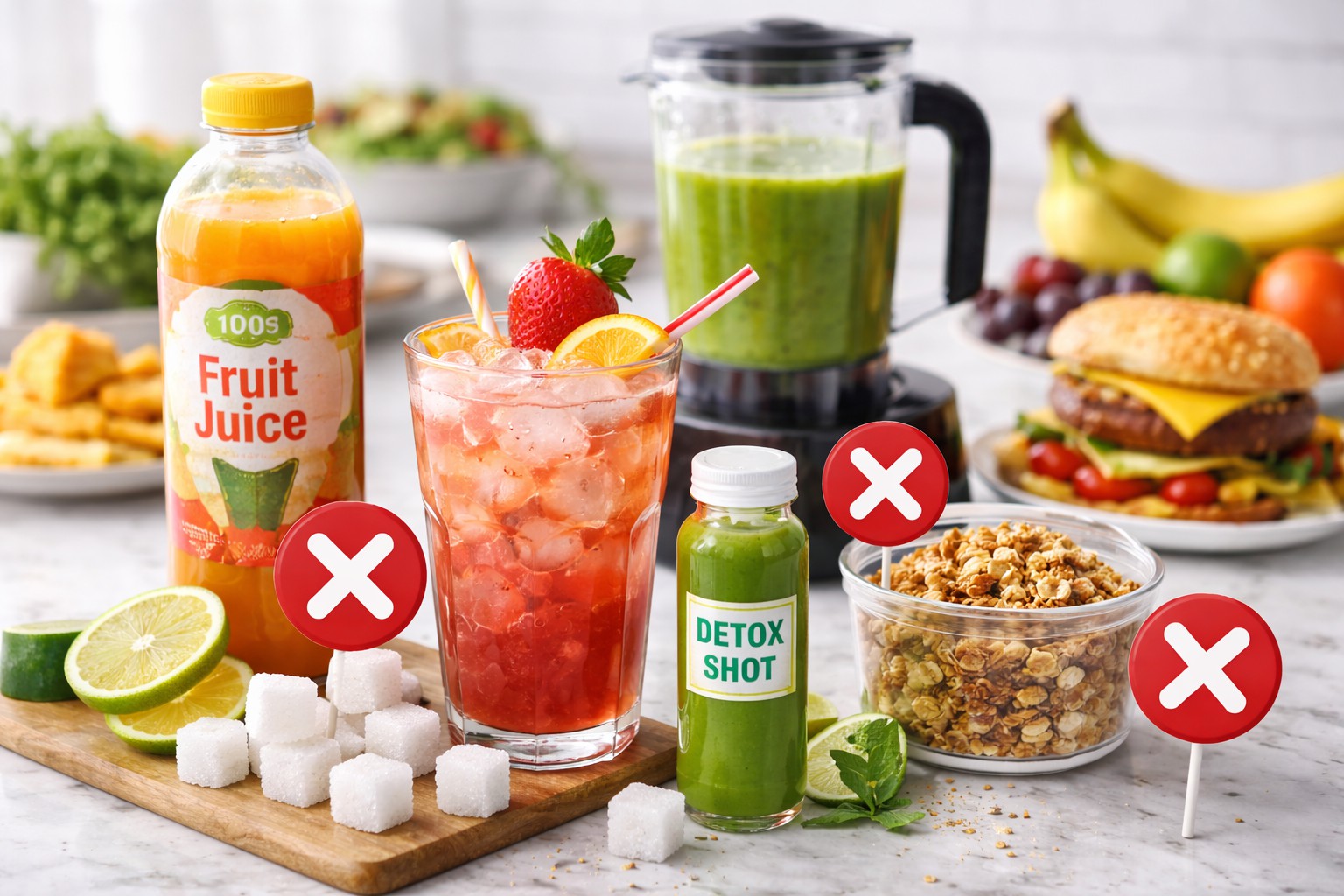
Some habits make juicing less effective. They slow your progress or drain your energy. These steps show what to avoid if you want results. Juice should support your meals. It should not take the place of real food all day. Your body needs protein, fiber, and fat. Juice alone cannot give you all three.
Fruit can cause problems when used in excess. It holds natural sugar. That sugar can slow weight loss and spike hunger. Use fruit, but do not build your juice around it. Store-bought juice may look fresh. Most of it is not. It may contain added sugar or lack real nutrients. Make your own juice at home. That keeps the ingredients honest.
Some people drink detox shots too often. These shots feel strong. They may upset your stomach. Use them once or twice per week. Avoid drinking them on an empty stomach. Juice should fit into your routine, not take over. Keep meals simple. Add clean protein. Eat fiber daily. This keeps you strong and makes juicing safe and steady.
Who Should Be Careful with Juice Plans
Juicing works for most people. Some should check with a doctor first. Health comes first. Juice should not cause harm. People with blood sugar issues should use caution. Juice can raise sugar fast. Skip high-fruit blends. Use more vegetables. Eat protein with juice to slow the effect. Women who are pregnant or nursing need more calories. Juice can help, but not replace meals. The body needs iron, fat, and full meals at this stage. If you take daily medicine, ask your doctor before starting juice. Some juices may react with drugs. Better to ask than guess.
People with weak digestion should start slow. Ginger, lemon, and beetroot may feel strong. Begin with soft blends. Stop if your body feels upset. Juice is not a cure. It is a tool. Use it smartly and listen to your body. If it feels wrong, adjust the plan.
🧠 Quick Quiz: Is Juicing Right for You?
1. How many green apples do you need for the 3-day plan?
2. Which item boosts metabolism in most juice recipes?
3. What should you avoid adding too much in a juice?
Check answers at the end of the article!
Best Fruits and Vegetables to Use in Juice
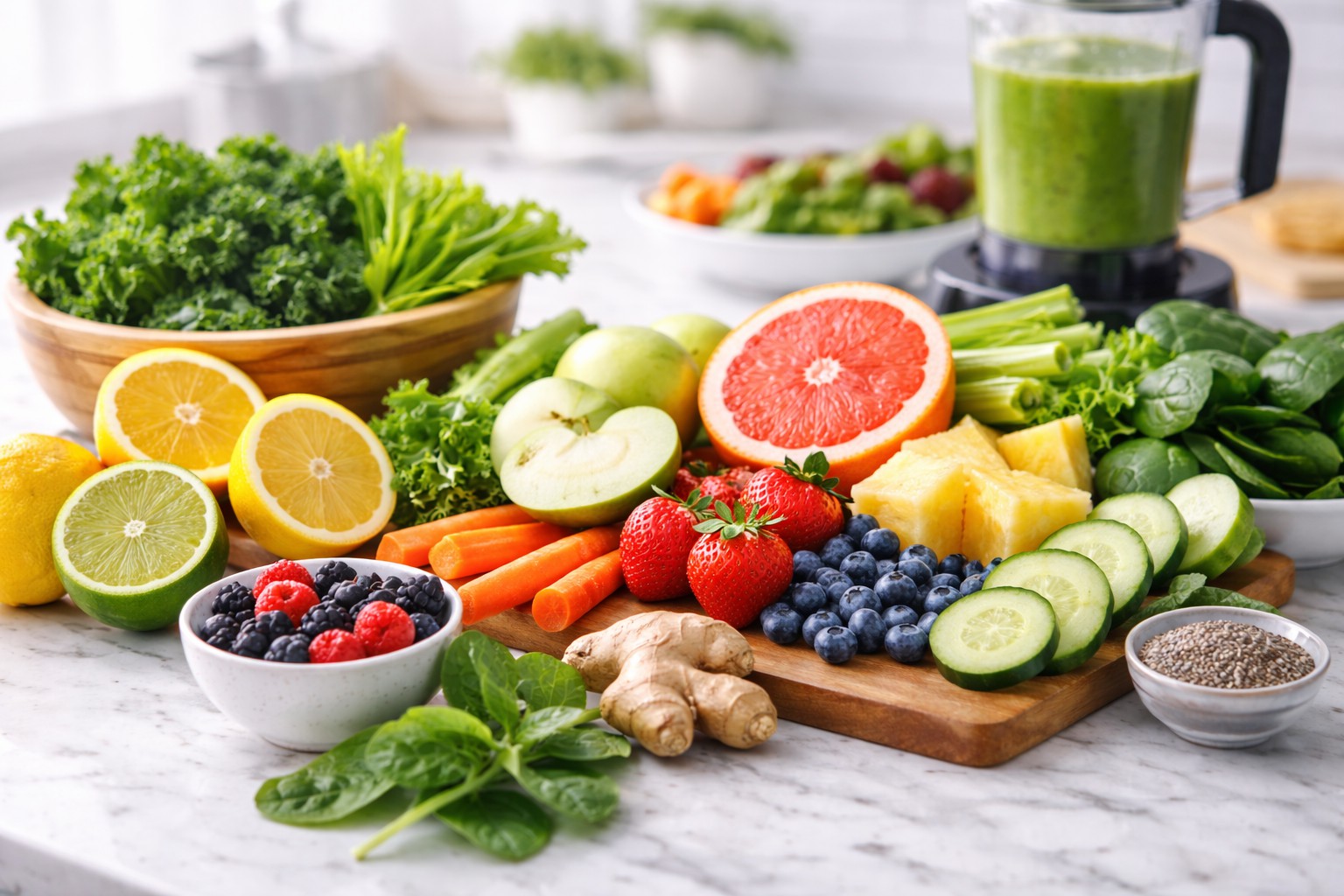
Not all fruits and vegetables work the same. Some raise blood sugar. Others help burn fat. Some clean your system. Others build strength. A smart mix gives the best results.
Top Fruits to Add
Green apple – Light in taste, low in sugar, helps balance flavor.
Grapefruit – Cuts hunger and may support fat loss.
Berries – Full of antioxidants, low in calories.
Lemon and lime – Boost digestion and add a fresh kick.
Pineapple – Helps break down food and supports gut health.
Top Vegetables to Blend
Cucumber – Full of water, light, and cooling.
Celery – Cleans the body and adds volume.
Spinach – Brings iron and blends well with fruits.
Kale – High in fiber, fills you up.
Beetroot – Supports blood flow and improves energy.
Fruits to Limit
Some fruits bring extra sugar. That slows down weight loss. Limit these or use in small amounts:
- Bananas
- Mangoes
- Grapes
These may taste sweet but can block your results if used too often.
Juicing vs Blending | What Fits Your Goal
Juicing and blending both use fruits and vegetables. But they do not do the same thing. Each one has a role. You should know the difference before you choose. Juicing removes the pulp. That means no fiber. Juice feels light. It goes into your system fast. It is best for hydration, vitamins, and energy. Blending keeps everything in the glass. You get fiber. That fiber keeps you full. Blending works better as a full snack or light meal.
Juicing works better when you want a reset. Blending works when you need fuel. Some people use both in one day. That can give the best of both. You do not need to pick one side. You can switch based on how you feel. Use juice to refresh. Use smoothies to fill.
If you’re looking for more clarity on low-calorie hydration options, this guide on Propel Fitness Water ingredients shows what you’re really drinking.
Easy Juicing Recipes That Support Weight Loss
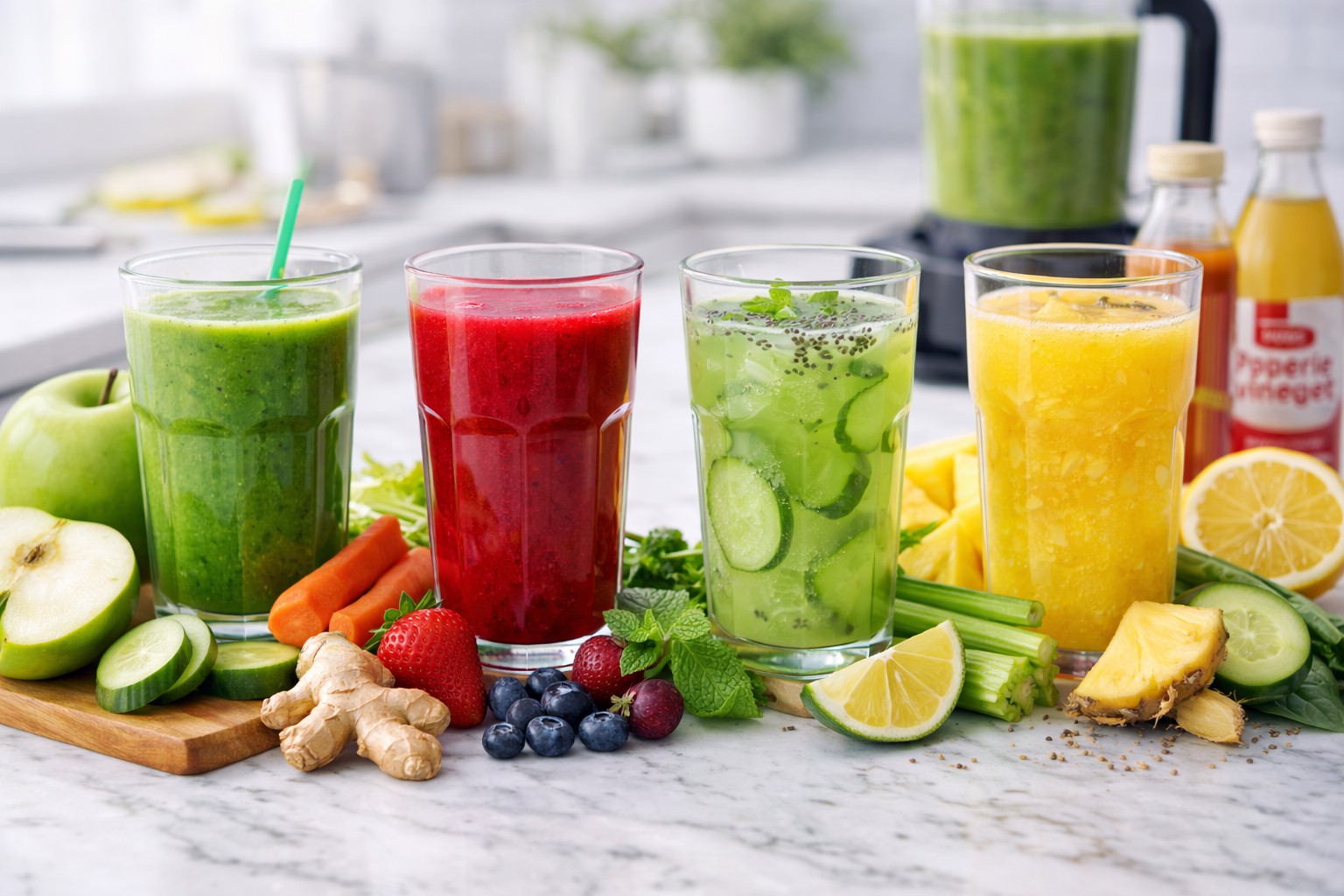
These recipes use simple ingredients. Each one makes one serving. Wash everything before use. Drink each juice fresh.
1. Green Energy Starter
- 1 green apple
- 1 cup spinach
- ½ cucumber
- 1 celery stick
- Juice of ½ lemon
- ½ cup cold water
Use this juice first thing in the morning. It wakes the system and keeps hunger low.
2. Beet Power Cleanse
- ½ beetroot
- 1 carrot
- ½ green apple
- 1 small piece of fresh ginger
- Juice of ½ lime
- ½ cup water
Drink this before light meals or after a walk. It helps blood flow and digestion.
3. Cucumber Mint Break
- 1 cucumber
- Handful of fresh mint leaves
- Juice of ½ lemon
- 1 teaspoon chia seeds (add after juicing)
- ½ cup chilled water
This juice cools the body. Use it between lunch and dinner.
4. Pineapple Gut Soother
- ½ cup pineapple
- ½ cucumber
- 1 small ginger slice
- Juice of ½ lime
- ½ cup water
A good drink to replace sweet sodas in the evening.
5. Lemon Kick Shot
- Juice of 1 lemon
- 1 pinch cayenne pepper
- 1 teaspoon apple cider vinegar
- ¼ cup water
Use this shot in the morning once or twice a week. Do not take on an empty stomach. Each of these blends supports fat loss, reduces cravings, and fits clean diets. Use them with meals, not in place of food. Let juice lift your habits, not control them.
Best Time of Day to Drink Juice
Juice works better at certain times. You do not need strict rules. But the right time can make a big difference in how your body feels and reacts. Juice in the morning helps clean the system. It wakes up your digestion. It hydrates the body. Start your day with a light blend before food. Juice between meals helps stop cravings. It keeps you full without adding much. You stay alert. You avoid snacks.
Juice before meals lowers your appetite. A small glass fills your stomach. You eat slower. You eat less. This works well before lunch or dinner. Juice in the evening should stay light. Avoid sweet fruits late in the day. Use mint, cucumber, or lemon. These help you wind down and feel calm. You do not need to drink juice all day. One or two small servings can help more than five.
Daily Meal Plans with Juice and Whole Foods
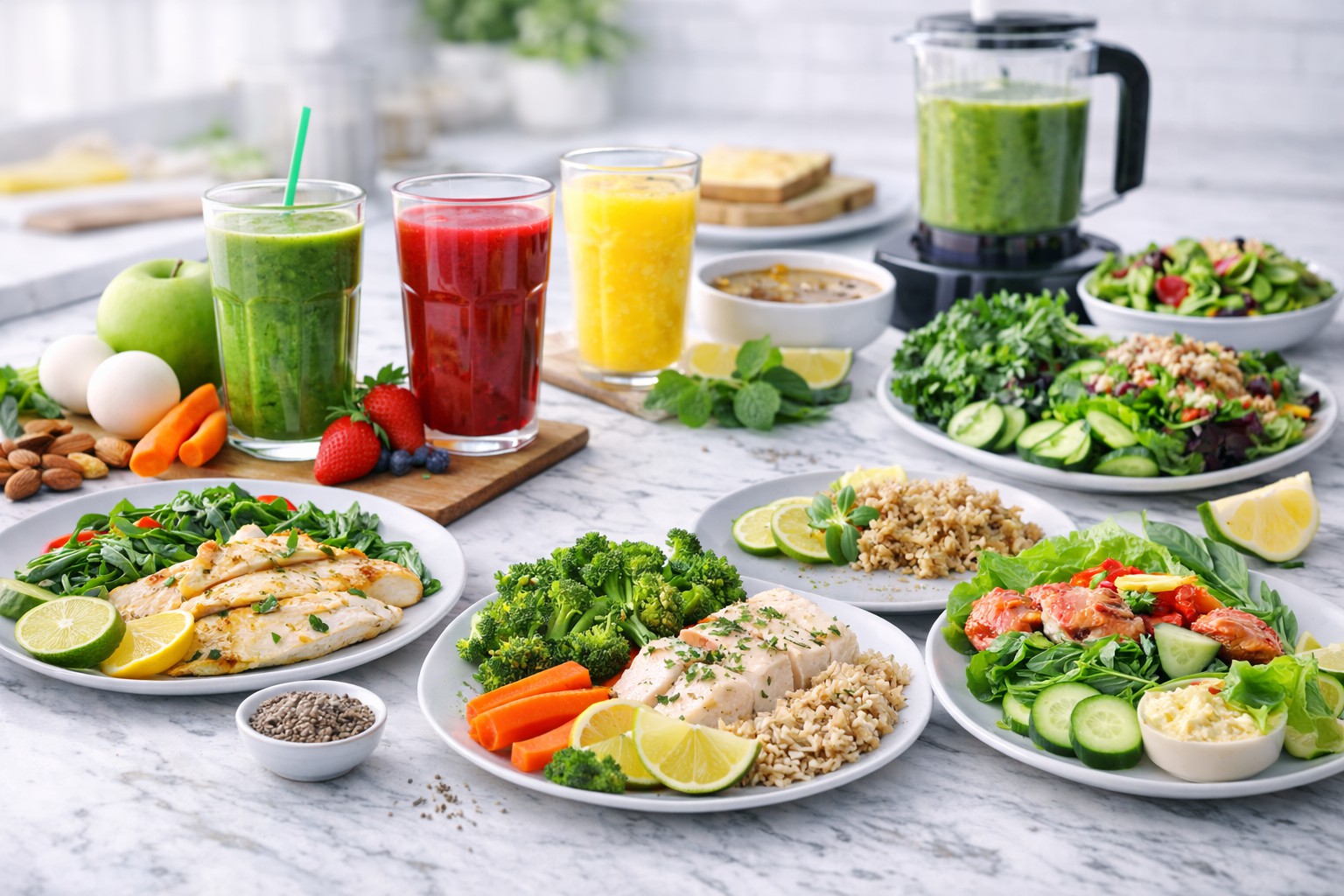
Juice works better with real meals. It should not replace solid food. A smart plan keeps your body full, light, and strong. The guide below shows three days of clean eating with fresh juice. Each day gives balance, taste, and steady energy.
Want to check how many calories your juice or meal has? Use our easy Calorie Calculator Tool to stay on track.
Day 1: Boost and Clean
Morning
Green Energy Starter + 1 boiled egg
Mid-Morning Snack
12 almonds
Lunch
Grilled chicken + spinach salad with lemon and olive oil
Afternoon
Beet Power Cleanse
Dinner
Steamed fish + broccoli + ½ cup cooked quinoa
This day keeps digestion smooth. Juice helps control appetite. Lean protein builds strength.
Day 2: Light and Strong
Morning
Pineapple Gut Soother + 1 slice whole-grain toast
Mid-Morning Snack
Cucumber Mint Break
Lunch
Brown rice + tofu + mixed greens with vinegar
Afternoon
1 green apple or raw carrot sticks
Dinner
Lentil soup + salad with lemon dressing
This day supports gut health and keeps sugar low. The meals stay light but filling.
Day 3: Fresh and Focused
Morning
Lemon Kick Shot + 1 small fruit + 1 cup plain oats
Mid-Morning Snack
Beet Power Cleanse
Lunch
Turkey lettuce wrap + cucumber sticks
Afternoon
Green Energy Starter
Dinner
Grilled vegetables + hummus + ½ cup brown rice
This day brings fiber, hydration, and clean energy. It supports weight loss and focus. You do not need strict diets to see change. You need the right balance. Juice brings nutrients. Clean meals bring strength. Together, they help your body burn fat, stay full, and feel better each day.
For a structured and healthy way to start, try this 7-Day Smoothie Weight Loss Diet Plan that fits well with your juicing goals.
Grocery List for the 3-Day Plan
| Category | Items |
|---|---|
| Fruits | Green apples (4–5) Pineapple (1) Lemons (5) Limes (3) Berries (1 box) Grapefruit (1–2) |
| Vegetables | Cucumbers (3–4) Celery (1 bunch) Carrots (4–6) Spinach (1 large bag) Kale (1 bunch) Beetroot (2) |
| Extras | Fresh ginger root Mint leaves Apple cider vinegar Chia seeds Cayenne pepper |
| Protein and Grains | Brown rice Whole oats Eggs Chicken breast Fish fillet Tofu block |
| Optional Items | Raw almonds Extra virgin olive oil Low-sodium vegetable soup Plain hummus |
I followed this exact juice and meal plan for three days. No fancy tools. Just my blender and fresh items from the list. I felt less bloated by Day 2 and even slept better. If you want a fresh start, try one juice today. You might love it.
How to Turn This Into a Weekly Habit
- Good results need steady steps. You do not need to start big. Small changes add up fast.
- Wash all your fruits and vegetables ahead of time. Cut them and store them. That makes it easy to juice fast.
- Pick two or three juices per week. Use them at the same time each day. Repeat what works. Drop what feels heavy.
- You do not need a perfect streak. Missed a day? Just go again at the next meal. Keep moving forward.
- Build the habit at your pace. Keep meals clean. Keep your juices light. That keeps your weight low and your energy high.
Frequently Asked Questions
How often should I drink juice to lose weight?
Two to three servings a day give steady results. One in the morning and one between meals can work well. More is not always better.
Can juice replace my meals completely?
Juice can support weight loss, but full meals still matter. Your body needs protein, fiber, and healthy fat. Juice should not be your only source of food.
Does juicing help reduce belly fat?
Juicing cuts down on sugar and junk food. It helps your digestion and lowers bloating. Over time, it may help reduce belly fat with the right meals.
Can children drink these juices?
Simple fruit or veggie blends are fine for kids in small amounts. Avoid detox or spicy blends. Keep it mild and fresh.
Do I need a juicer or will a blender work? Also Click and View Correct Quiz Answers Here!
A blender works if you strain the juice. A juicer is easier, but both can get the job done. Fresh ingredients are more important than tools.
1. 4–5 apples
2. Ginger Root
3. Sugar
Final Thoughts
Losing weight should not feel like a fight. You do not need to starve. You need a simple plan that works. Juicing can help you get there. This guide gives clear steps. The juices refresh your body. The meals keep you full. The grocery list makes your prep easy. Everything fits together. Start small. Make one juice. Cook one clean meal. Build the habit one day at a time. Your body will respond. You will feel lighter. You will stay full without guilt. Stick to the basics. Trust the process. Let juice and food work together. That is the smart way to lose fat and stay strong.
Pair your juice plan with simple moves from our 30 Best Home Workouts – no gym, no fuss.
This post shares general health tips and juice recipes. Always consult your doctor before starting any weight loss plan or major diet change.