


Many people think all red eyes mean pink eye. That belief causes mistakes. Pink eye is only one reason your eye may look red. Many other problems look the same. Each one needs a different type of care. Pink eye spreads fast. It causes red eyes, watery discharge, and mild pain. Parents worry about school. Workers stay home. But not every red eye means infection. Treating the wrong thing wastes time and causes harm.
Some red eyes get better on their own. Others turn worse without help. Using random drops or waiting too long can hurt your vision. You need to know what signs to check. This article explains what is commonly misdiagnosed as pink eye. You will see a clear list, know the warning signs, and learn what to do next. Read this full guide to protect your eyes and stay safe.
What Is Pink Eye?
Pink eye makes the eye look red and feel sore. It happens when the thin outer layer of the eye becomes inflamed. That layer is called the conjunctiva. It covers the white of the eye and lines the inside of the eyelid.
The eye reacts to germs, dust, or allergens. This causes redness, swelling, and discharge. The change can happen fast.
There are three main types of pink eye:
- Viral pink eye spreads easily. It may come with a cold or sore throat.
- Bacterial pink eye causes yellow or green pus. The eyelids may stick together.
- Allergic pink eye affects both eyes. It often appears with sneezing or a runny nose.
Many people feel like something is stuck in the eye. It may feel dry, itchy, or gritty. Tears may increase. The eye may swell or look shiny. Not all red eyes mean infection. Other conditions copy these signs. You must look at all symptoms to know the true cause.
Scientist I CMC Cardinal Health Job Description Responsibilities and Salary Guide
Main Symptoms of Real Pink Eye
Pink eye can spread. But not all types do. You must know which kind you have to stay safe and protect others. Viral pink eye spreads fast. It moves from person to person through touch, coughing, or sneezing. It can live on hands, towels, and even phones. Just one rub of the eye can pass it to someone else. This type often comes with a cold or sore throat.
Bacterial pink eye can also spread. It passes through contact with eye fluid, hands, or shared items. Children get it more often because they touch their eyes and faces without care. Allergic pink eye does not spread. It comes from pollen, dust, or other triggers. You cannot catch it from someone else, and you cannot give it to others.
If your eye looks red and feels sore, do not share towels, makeup, or bedding. Wash your hands often. Stay home if the discharge is thick or your eyes stick shut. See a doctor to confirm what type you have. Knowing the source helps you act the right way. Some types need time to heal. Others need quick care to stop the spread.
What Else Looks Like Pink Eye But Isn’t?
Many eye problems copy pink eye signs. They show red eyes, tears, or crusts. But not all mean infection. You must spot the small signs that set them apart. A stye can cause red, swollen eyelids. It feels sore to the touch and may form a bump. This bump grows near the lashes. Unlike pink eye, it stays in one spot and often hurts more.
Dry eyes may look red and tired. They may water, but they do not itch like allergies. Dry eyes feel worse after screens or wind. You will not see crust or thick fluid. Blepharitis affects the edges of the eyelids. It makes the lids red and crusty. It can cause flakes, much like dandruff. This may fool people into thinking it’s pink eye, but the problem lives in the lash line.
Some eye injuries cause red eyes too. A scratch on the eye or a burst blood vessel can look scary. These do not spread and need quick care. Pink eye is common. But if your eye feels worse each day, or if light hurts your vision, it may be something else. You should speak with an eye doctor when symptoms feel strange or strong.
👤 Real Experience: Not Just Pink Eye
“I thought it was just pink eye. The redness and itch wouldn’t go away for weeks. Turns out, it was a severe allergy reaction to dust. My doctor confirmed it after tests.”
Maria L., Florida
What Is Commonly Misdiagnosed as Pink Eye
Many red eyes are not pink eye. Other problems look the same. Some are mild. Others can be serious. Knowing the difference helps you avoid delays and bad treatment.
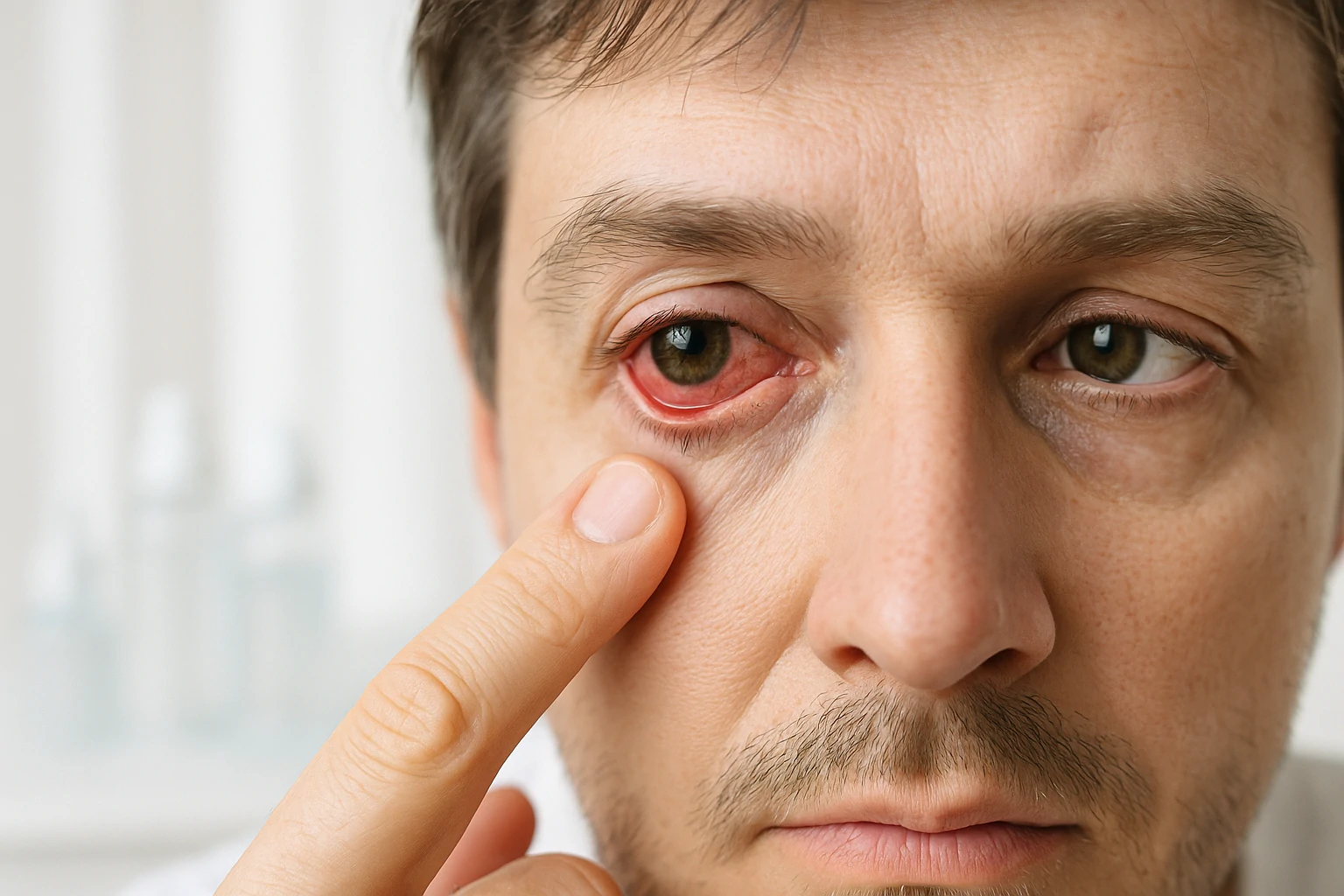
Here is a full list of eye conditions often mistaken for pink eye:
1. Allergic Conjunctivitis
This type fools many people. It turns both eyes red and watery. They may itch or burn. Sneezing and runny nose often come with it. Dust, pollen, or pets trigger this problem. It does not spread to others. Allergy drops usually help.
2. Dry Eye Syndrome
Dry eye causes stinging, redness, and blurry vision. The eye may water to fight dryness. People often think it is pink eye. But it is not from infection. Cold wind, heaters, age, and screens can dry out the eyes. Artificial tears give fast relief.
3. Blepharitis
This condition makes eyelids red and flaky. You may see crusts near your lashes. The eyes can feel sore or itchy. It often comes back. Poor eyelid hygiene can make it worse. Blepharitis is not pink eye, but it causes similar redness.
4. Stye
A stye is a red bump near the lashes. It comes from a blocked oil gland. It swells and hurts. The eye may look red around the bump. But it is not a surface infection. Warm compresses help it go down.
5. Chalazion
A chalazion looks like a stye but does not hurt. It forms deeper inside the eyelid. It feels hard and round. Sometimes it presses on the eye and causes redness. Most go away without medicine. Large ones may need a doctor’s help.
6. Subconjunctival Hemorrhage
This looks worse than it feels. A blood vessel breaks under the surface of the eye. The white part turns red or spotty. It does not hurt. Vision stays the same. Coughing, sneezing, or lifting heavy things can cause it. No treatment is needed.
7. Contact Lens Irritation
Dirty or old lenses can hurt your eyes. You may feel burning, dryness, or see redness. This can look like pink eye. But it goes away when you stop using the lenses. Use clean lenses and rest your eyes.
8. Uveitis
Uveitis is a deep inflammation inside the eye. It causes redness, blurry sight, and pain. Bright light may hurt. It can come from infections or immune problems. It is not pink eye. This condition needs fast care from an eye doctor.
9. Keratitis
Keratitis is an infection in the cornea. This is the clear front part of your eye. It causes pain, swelling, and loss of vision. Germs, fungus, or injury can cause it. Bad contact lens care is a risk. Keratitis can damage your eye if ignored.
10. Acute Glaucoma (Angle Closure)
This type of glaucoma is rare but serious. It builds pressure inside the eye fast. It causes deep pain, red eyes, and blurred vision. You may feel sick or throw up. It is not pink eye. It is a medical emergency. Go to a hospital right away.
11. Pterygium and Pinguecula
These are growths on the white of your eye. They look like small yellow or red patches and they may grow from too much sun, dust, or wind. They are not infections. Some stay small. Others grow and block vision. A doctor may remove them if needed.
Certain health problems raise the risk too. People with allergies, diabetes, or low immunity often report red eyes. Those who rely on Medicaid or Medicare for vision and dental support may also face delays in treatment, especially if they need dentures through programs like Buckeye Health Plan.
Can You Treat It at Home? Know the Safe Options
Some pink eye cases do not need strong medicine. If the cause is mild, you can use safe care at home. But you must watch the signs. Not all cases will heal on their own. Start with cool, clean cloths. Place them on closed eyes to calm redness and swelling. Use a soft cloth for each eye. Do not reuse the same one. You can use artificial tears. These help if your eyes feel dry or gritty. Pick a simple brand with no added drugs. Do not touch the dropper to your eye.
Stop using contact lenses. Lenses can hold germs and slow healing. Wait until your eyes feel normal before you wear them again. Wash your hands often. Touching your face spreads germs. Keep your towels, sheets, and pillowcases clean and just for you. Avoid makeup near your eyes. It can carry old germs and cause new problems. Throw out any makeup used before the infection started.
Do not use old eye drops. Do not try home remedies like lemon juice or herbal washes. These can harm your eyes. If you feel sharp pain, see pus, or lose vision, stop home care. Call a doctor right away. A strong infection can get worse fast without the right help.
Who Faces Red Eyes More Often?
Anyone can get red eyes. But some people face this issue more often. Certain habits and jobs raise the chance.

People who wear contact lenses deal with this often. Lenses may trap dirt. Poor cleaning leads to germs. This can make eyes red or sore.
Those who use screens for long hours also risk red eyes. Office workers, students, and gamers blink less. Their eyes dry out and turn red.
Working in dusty, smoky, or dry spaces adds to the risk. Fields, shops, and busy public spots can irritate the eyes fast.
Health problems matter too. People with allergies, diabetes, or weak immunity see more eye issues. Their eyes may react to minor triggers.
Teachers and daycare workers also get red eyes more. They stay close to kids. Infections spread fast in schools and care centers.
Touching or rubbing your eyes brings more trouble. It pushes germs into the eye.
To stay safe, use clean hands. Rest your eyes often. Clean your lenses. Avoid eye rubbing. These steps help prevent red eyes before they grow worse.
How to Tell the Difference
Many eye conditions look like pink eye. But the cause is not always the same. Each one has its own clues. Small details can help you spot the truth. Look at how the eyes feel, what you see in the mirror, and what other symptoms come with it.
Here are signs that help tell the difference:
Watery Discharge
If your eye leaks clear tears, it may come from a virus or allergies. These types often spread fast but do not cause thick pus. Watery discharge is a sign the eye is reacting, not infected with bacteria.
Thick Yellow or Green Discharge
This type of fluid points to a bacterial infection. It often builds overnight. You may wake up with your eyelids stuck shut. The fluid is heavy and hard to wipe. Pink eye caused by bacteria often needs prescription drops.
Both Eyes Affected
Allergies and viruses often strike both eyes. The redness and itch usually happen at the same time. If both eyes turn red and water, think about what triggered it. It may be pollen, dust, or a recent cold.
One Eye Affected
Bacterial pink eye often starts in one eye. It may spread to the other later, but one side gets worse first. You may feel it building hour by hour. The discharge and redness are often stronger on that side.
Mild Itch or Burn
Pink eye often causes a mild itch. It may burn, but the pain should not be sharp. You may feel like there is dust in your eye. If the feeling stays the same or gets better with rest, it may be mild conjunctivitis.
Sharp Pain
This is not normal for pink eye. If you feel stabbing pain, something else may be wrong. Conditions like uveitis or keratitis can cause this. Pain that gets worse when you blink or move the eye is a warning sign.
Blurred Vision
Pink eye rarely blurs your vision. If things look cloudy or you see halos, act fast. This may point to glaucoma, a scratched cornea, or infection inside the eye. Do not wait to get checked.
Red Spot in the White Part
This is likely a burst blood vessel. It may look bright red but causes no pain. You may notice it after coughing, sneezing, or lifting something heavy. It looks bad but usually goes away on its own.
Light Sensitivity
If sunlight or indoor lights hurt your eyes, take it seriously. This is not a pink eye sign. Uveitis and keratitis often cause this symptom. It may come with blurred vision or deep eye pain. You must see an eye doctor fast.
Sneezing or Itchy Nose
If you have sneezing, a stuffy nose, or an itchy throat, it may be allergies. These body signs help rule out pink eye. If your eyes are red but you also have allergy symptoms, drops or pills may solve the problem.
Ask yourself: Does it feel worse than pink eye should?
If the pain is strong, the redness deep, or the vision changes, act fast. Some eye problems need urgent care. Do not guess. Your eyes are worth protecting.
When to See a Doctor
Some eye problems cannot wait. You must know when red eyes mean more than pink eye. A few warning signs should push you to seek help fast.
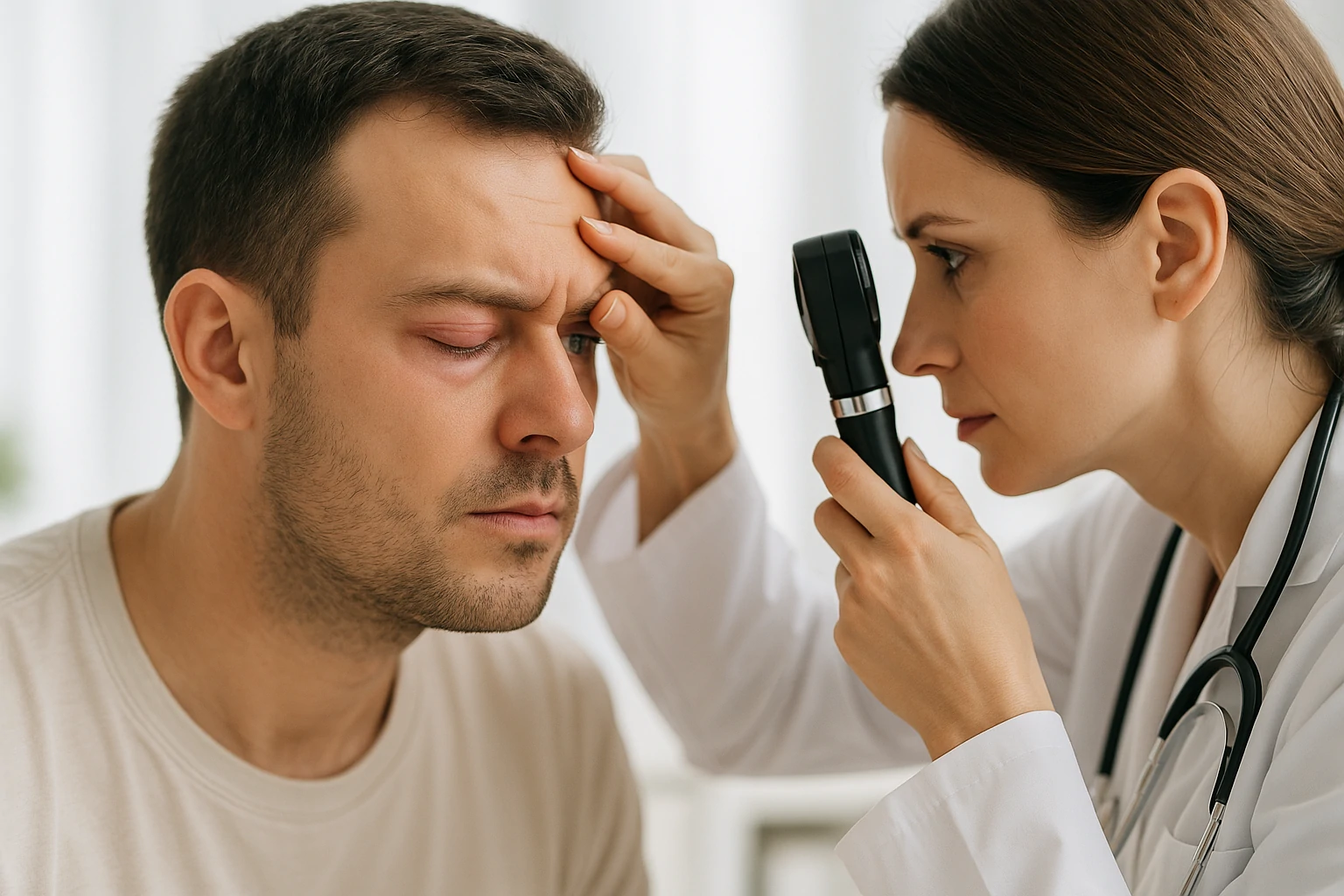
Strong pain in the eye is not normal. Pink eye may itch or burn, but it should not hurt deeply. Sharp pain could mean something serious inside the eye. That kind of pain needs quick care. Blurry or fading vision is another warning. Most pink eye cases do not affect how you see. If your sight gets worse, you must act fast. It may point to pressure, damage, or infection in a deeper layer.
A bright red spot in the white part of the eye may look bad. Often, it is harmless. But if it shows up again or spreads, you should let a doctor check it. It might be more than a broken blood vessel. If the eyelid swells until it closes the eye, that is not a good sign. This could be from a stye or a deeper infection. It may need medicine, not just rest. You should not wait if your eye closes from swelling.
Most pink eye clears in three to five days. If your symptoms stay longer or get worse, something else may be going on. You may need a different treatment. People who wear contacts should watch closely. Stop using lenses if the eye turns red or sore. Lenses can trap germs. Some cases lead to permanent damage if you wait too long.
People with health risks like diabetes or weak immune systems need to stay alert. Infections spread faster in these cases. A small problem can turn big in just one day. Do not take chances with your eyes. If you feel something is not right, see a doctor. A fast check can save your sight.
What to Do Next
- Red eyes can mean many things. Do not guess. Take action early to protect your sight.
- Remove your contact lenses right away. Lenses can trap dirt or germs. Give your eyes time to rest and heal.
- Keep your hands off your face. Rubbing spreads germs. It can also make swelling and redness worse.
- Wash your hands often with soap and warm water. Dirty hands can spread infection fast.
- Use a clean towel and pillowcase each day. Wash them well. Do not share them with others.
- Never share eye products. This includes drops, makeup, and creams. One use from someone else can cause infection.
- Place a soft cloth on your closed eye. A warm cloth can ease swelling. A cool one can calm redness. Always use a clean cloth on each eye.
- Use artificial tears if your eyes feel dry or sore. Choose a sealed, unused bottle. Do not use old drops from past treatments.
- Keep a record of your symptoms. Note any pain, redness, or changes in vision. These details help if you visit a doctor.
- If your eye does not get better in a few days, call a doctor. Quick care can stop a small issue from becoming something worse.
🌟 Quick Self-Check Tips
- If both eyes are itchy, think allergies 0 not infection.
- Sticky yellow discharge? It could be bacterial pink eye.
- Woke up with glued-shut eyes? Get it checked – don’t guess.
Conclusion
Red eyes often look the same. Many people think it is always pink eye. That is a mistake. Some causes are simple. Others are serious and need fast care. This guide helped you see the full picture. You learned which conditions copy pink eye and you saw the signs that should never be ignored. You now know what steps to take next.
Do not treat every red eye the same. Watch your symptoms. Notice the changes. Pain, blurred vision, or long-lasting redness are signs to get help. Your eyes are too important to guess. Take action early. Use safe habits. Trust your instincts. With the right care, most problems clear up fast.
Clean habits can help. Wash your hands often. Take screen breaks. Keep lenses clean. Avoid rubbing your eyes. Using protective tools like eye patches during rest or treatment can also reduce strain and protect healing eyes.
Most Common Questions (PAA)
| Question | Answer |
|---|---|
| What signs help you know it is not pink eye? | Strong pain, deep redness, or blurred vision point to a different problem. These signs do not match mild pink eye and need fast care. |
| Can allergies look like pink eye? | Allergies can copy pink eye with redness and tears. Itch, sneezing, and both eyes affected at the same time point to allergies, not infection. |
| What signs mean you must see a doctor now? | Sharp pain, halos around lights, fading vision, or a swollen eyelid that shuts the eye show danger. Quick care protects your sight. |
| Can contact lenses cause symptoms that look like pink eye? | Dirty or old lenses can cause redness, dryness, or burning. The problem clears when you stop using them and clean them well. |
| What eye problems often fool people into thinking it is pink eye? | Dry eye, stye, blepharitis, uveitis, keratitis, and burst blood vessels all show red eyes. Each condition needs different care. |
| Can pink eye heal at home in simple cases? | Mild cases may ease with clean cloths, rest, and artificial tears. Any sign of pus, vision loss, or sharp pain means you need medical help. |
| Who faces a higher risk of red eyes? | People with allergies, diabetes, weak immunity, long screen use, or contact lenses face more flare-ups. Workers near |
This article shares general health information for awareness. It does not replace medical advice. Always consult a licensed eye care professional for diagnosis or treatment. Your vision deserves expert care.