

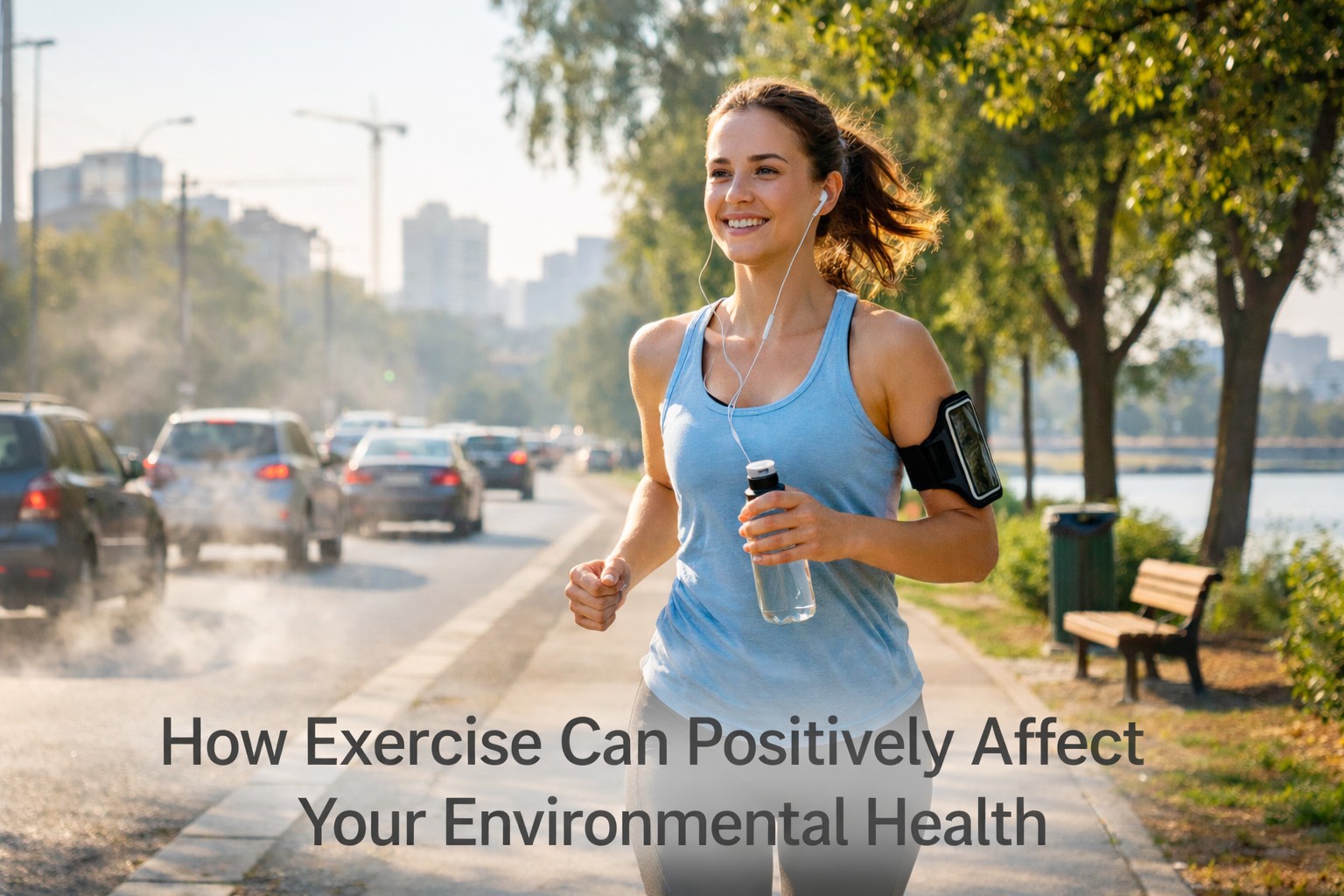
Some days you only notice your environment when it annoys you. A loud road. A smoky kitchen. A hot, sticky room that makes you feel lazy. Exercise has a funny way of turning those “background” problems into clear signals. You feel them in your lungs, your skin, and your mood. Then you start adjusting your life around them. That is why exercise links so well with environmental health. It works in two directions at once. It helps your body deal with real-world conditions. It also changes how you move through the world, which can reduce the pressure you add to the shared environment.
Environmental health has two sides that matter here. One side is personal. Air, heat, noise, light, and safety shape your health every day. The other side is public. Traffic, emissions, waste, and the way neighborhoods get built shape the health of everyone around you. Exercise sits right in the middle of both.
A quick definition that keeps things clear
Environmental health sounds big, but it comes down to two simple questions. Does the place you live in support your health? Think air, heat, noise, light, and safety. Do your daily habits help or harm the shared environment? Think traffic, emissions, waste, and public spaces. Exercise touches both sides. It changes what your body can handle. It also changes how you travel, shop, and use your neighborhood.
The part most people miss: exercise makes the environment “louder”
Food and sleep get all the attention. The street outside your home rarely does. Same goes for indoor air. Most people only think about it when they feel sick.
Environmental health includes practical things you can point to:
- Dirty air near busy roads, construction sites, or factories
- Hot weather and humidity that drain energy fast
- Noise from traffic, horns, and constant crowds
- Safe sidewalks, parks, and clean public spaces
- Indoor problems like dust, mold, smoke, and poor airflow
Exercise forces contact with these things. That can sound risky. It can also be useful. Regular movement builds awareness that you cannot fake. You learn fast when you walk or run often. One route makes you cough. Another route feels calm. One street has harsh sun and no shade. Another has trees and a cooler feel. People who never go out do not collect that data. Their environment stays invisible. That awareness can protect you. It helps you choose better places and better timing. That is a real health skill, not a nice idea.
Small movement can reduce the pollution you cause
A lot of local pollution comes from short car trips. Many people drive even when the distance is close. Those trips add exhaust and noise. They also add stop-and-go traffic, which tends to make local air worse than a steady drive on an open road. Exercise can replace some of those trips without any “perfect lifestyle” change. A walk to a nearby shop. A bicycle ride to a friend’s house. A walk to public transport instead of a full drive.
Two things happen at once:
You get movement without extra gym time. You also skip one small source of daily emissions. One person changing two trips per week will not transform a city. Many people doing it will change the feel of busy areas. School streets and market lanes often show the impact first. Less traffic means less noise and fewer fumes where people stand, wait, and breathe.
A simple example shows how this stacks up. If you walk to a nearby shop three times a week instead of driving, you cut many short “start-stop” minutes each month. Those minutes often create the strongest local pollution. The people who live closest to the road take the hit first.
That is environmental health in a practical form. Your exercise becomes a cleaner habit, not only a fitness habit.
Your routes start shaping what neighborhoods get improved
People protect what they use. That sounds obvious, but it matters. Once you walk in a park every week, you stop treating it like scenery. You notice litter. You notice broken lights. You notice unsafe corners. You also notice what makes the space pleasant, like shade, clean paths, and quiet zones. Active streets often improve over time because regular walkers and runners act like informal “eyes on the street.” That presence can lift safety. It also pushes local leaders to maintain public areas because they see that people actually use them.
Look at what many cities keep investing in:
- Pedestrian zones
- Weekend street closures
- Cycling lanes
- Community fitness events
Those changes do not happen only because someone loves public health posters. They happen because people show up and use the space. Exercise creates visible demand. Public spaces tend to get cleaner and safer when people use them often. Environmental health improves when streets and parks stay active, maintained, and cared for.
Outdoor movement changes how you handle air, light, and stress
Your body reacts to the environment each day. Exercise can strengthen those reactions in a helpful way. It does not turn bad air into good air, so do not take it that far. It still builds capacity.
Lungs and everyday air
Regular exercise supports endurance and lung strength. Your body also becomes better at using oxygen. This does not mean you should run beside heavy traffic. It means your body often handles mild environmental stress better than a body that stays inactive. Inactive people often feel worse on hot days, dusty days, and high-pollen days. Their body has less reserve. They get tired faster.
Here is a useful judgment point. Many people blame “bad air” when they feel tired outdoors. Sometimes the real issue is shallow breathing and poor fitness. Better fitness can reduce that false alarm. Then you can react to real air risks with a clear head.
Daylight and sleep rhythm
Daylight helps many people regulate mood and sleep. Outdoor exercise increases daylight time without adding another task. A 20-minute morning walk can change how you feel at night. Environmental health includes light exposure, not only air. Too much indoor time often leads to messy sleep patterns. Poor sleep then harms energy and stress control. A simple outdoor routine can fix that cycle.
If your sleep feels off, track it for a week with our sleep quality tool and compare it with your outdoor routine.
Noise, crowding, and mental load
City noise raises stress. Your brain stays on alert when horns and engines never stop. Exercise can lower stress hormones over time. It also pushes you to search for calmer routes. People who walk and run often learn where the quiet blocks are. They spot streets with trees that soften sound. They learn where crowds feel safe instead of stressful. This “route knowledge” is a real asset in daily life.
A simple way to decide indoor vs outdoor today
Use this quick check before you exercise. It saves you from “guessing” and helps you stay consistent.
Go outdoor when:
- Air feels clean and you do not smell smoke or heavy dust
- Heat feels manageable and you can find shade
- You can avoid traffic-heavy roads
- You feel safe on the route
Go indoor when:
- Smoke, dust, or strong traffic fumes hit your nose
- Heat feels harsh even at slow walking pace
- Your area feels unsafe or too crowded
- Pollen triggers wheezing or tight chest
This choice keeps the benefits of exercise without extra environmental strain on your body.
| Today’s Condition | Best Exercise Choice | Why It Helps Environmental Health |
|---|---|---|
| Air smells smoky or dusty | Indoor workout | Lowers exposure to irritants and reduces lung stress |
| Heavy traffic near your route | Choose a quieter street or park | Cuts pollution and noise exposure during higher breathing |
| Extreme heat or humidity | Early morning or indoor | Reduces heat stress risk and dehydration strain |
| Safe park with shade | Outdoor walk or jog | Improves mood, sleep rhythm, and outdoor light exposure |
| Pollen triggers wheeze | Indoor workout or mask + low intensity | Reduces flare-ups and keeps routine consistent |
| Loud, crowded streets | Quiet route or indoor | Lowers stress load from noise and crowd pressure |
Indoor workouts sometimes protect your environmental health more
Many articles act like outdoor exercise is always superior. That is not true. Environmental health is also about smart exposure. Air quality, heat, and safety should guide your plan. Your goal is not to prove toughness. Your goal is to get the health effect with the lowest risk.
Outdoor exercise often fits best when:
- Air feels clear
- Heat stays moderate
- Shade and sidewalks exist
- You can avoid traffic-heavy roads
- The route feels safe and calm
Indoor exercise can be the better call when:
- Smoke or dust rises in your area
- Traffic pollution stays heavy near home
- Heat turns extreme and dehydration risk rises
- You feel unsafe outdoors
- Pollen triggers asthma or strong allergies
A home workout on a poor air day still counts. It can even be the smarter environmental health choice.
Exercise exposes indoor air problems you used to ignore
Outdoor pollution gets talked about a lot. Indoor air often gets ignored, even though it can be worse in some homes. Cooking smoke, dust, damp rooms, mold, and stale air can irritate lungs and skin. Many people only notice these problems when symptoms get obvious. Exercise speeds up that feedback.
Once you exercise, you may notice:
- You breathe harder in a dusty room
- You cough in a space with poor airflow
- You get headaches in stale air
- You sleep worse in a hot, humid room
That feedback matters because it pushes better choices. Small fixes often help more than people expect. Open windows at the right time when outside air feels cleaner. Use an exhaust fan during cooking. Fix leaks and damp corners early. Wash bedding often if allergies flare. Keep fresh airflow in your workout space. This is a direct link between exercise and environmental health. Exercise makes the air in your home impossible to ignore.
One small habit that improves your home environment fast
- Pick one room where you move the most. Many people choose the living room or bedroom.
- Set it up once, then keep it simple.
- Open airflow when outside air feels clean. Close windows when traffic feels heavy.
- Use a fan or exhaust during cooking. Smoke can linger longer than you think.
- Fix damp spots early. Damp corners often turn into smell, then mold.
- This is not about making your home perfect. It is about removing the biggest triggers that make workouts feel harder than they should.
Active routines can reduce waste in quiet ways
A good routine simplifies life. Exercise often creates routine, even when you do not plan it that way. When you walk or cycle more, you may carry less. You buy less at once. You plan meals better. You stop doing random “drive and grab” trips.
That can reduce waste in small ways:
- Less fuel use
- Fewer impulse purchases
- Less packaged food from quick stops
- More use of local shops and seasonal items
This does not happen to everyone. Some people fall into “gear culture” and buy too much. They replace items too fast. That habit can create extra waste. The cleaner path stays simple. Use what you already have. Buy what improves safety or comfort. Skip the rest.
Fitness makes heat and weather easier to handle
Heat waves and humidity can become dangerous. Many places now face hotter seasons. Environmental health includes climate stress too. Exercise supports heat tolerance over time. It also trains planning skills. Active people learn quickly:
- Which hours feel safest outdoors
- How much water they need
- Which clothes help, and which ones trap heat
- When to stop, rest, and move indoors
These skills help beyond workouts. They matter during travel, outdoor work, power cuts, and long commutes. A simple habit helps in hot places. Choose early morning movement. Heat stays lower. Streets often stay quieter. Air often feels cleaner. That timing protects you and lowers exposure to peak heat and peak traffic.
Bad weather can change outdoor workouts and even damage equipment, so check these weather conditions before you train.
Less driving can mean a quieter neighborhood
Noise is not a small issue. It affects sleep, stress, and heart health. Traffic is one of the main causes in many cities. Exercise can reduce noise in two simple ways. You drive less for short trips, so you add less sound. You also support walkable spaces, which often reduce traffic speed. Slower traffic usually sounds softer than fast, aggressive traffic. Pedestrian-friendly streets often include trees, barriers, and design changes that reduce harsh noise. This will not change everything overnight. It is still a real path. Streets feel less hostile when noise and speed drop.
If you live in a city, use these route tricks
City life makes environmental health harder. You can still exercise safely if you plan routes like a local. Choose roads with trees. Tree cover often feels cooler and calmer. Avoid main roads during rush hour. Pollution and noise stack up there. Use parks, school grounds, or inner streets. These areas often feel safer to breathe in. If you must walk near traffic, keep workouts lighter. Hard training increases air intake and raises exposure. These small route choices protect your lungs and help your exercise feel easier.
Group exercise can lift safety, not just mood
Environmental health includes social conditions too. Unsafe streets harm health. People avoid parks. Kids stay inside. Stress rises. Community trust drops. Group exercise can help break that pattern. Walk clubs, morning runners, and community sports create regular presence. Regular presence can discourage some crime. It also improves the feeling of safety. That feeling matters because it changes behavior. People who feel safe go outdoors more. They get light, fresh air, and movement. They avoid indoor isolation. Mental health often improves along with community health.
A realistic “environment-first” exercise setup
You do not need a perfect plan. You need a plan that survives real life. Start with two options, not one. Pick one outdoor route away from heavy traffic. Keep one indoor backup routine ready. Stairs, bodyweight moves, or a short home workout works fine. Choose time slots that respect air and heat. Early morning works in many places. Late evening may work too if safety stays good. Avoid rush hour if your area has heavy traffic or dust.
Match intensity to conditions. Hard workouts pull in more air. Poor air days raise risk. Use low intensity outdoors on those days or move indoors. You keep the habit without taking a hit. Keep gear simple. Comfortable shoes and water matter. Most other items stay optional. Simple habits reduce waste and make exercise easier to repeat. Treat parks like a health space, not just a background view. Pick up a small piece of litter when you can. Report hazards if you see them. Support a clean-up if your area has one. This is not activism. This is self-protection and community care.
Basic caution keeps the message honest
Exercise helps, but the environment can still harm you if you ignore clear warning signs.
Watch for:
- Chest pain, faintness, or unusual shortness of breath
- Wheezing or asthma flare during outdoor runs
- Heat stress signs like nausea, confusion, chills, or sudden weakness
- Eye burn, headache, or throat irritation near smoke or dust
Stop when needed. Rest. Move indoors if conditions feel wrong. People with heart issues, asthma, or other chronic problems should ask a clinician about safe limits that match their condition. Pick one outdoor route you enjoy and one indoor backup routine. Keep both simple. Do three sessions this week. Use the quick check on air and heat before you start. That is enough to build a habit that supports your health and the environment around you.